
Nintendo GameCube: overview, hardware, software, and legacy
The Nintendo GameCube is Nintendo’s sixth-generation home console (2001–2009). Noted for its compact cube design, distinctive controller, miniDVD discs and a strong library including first-party classics.
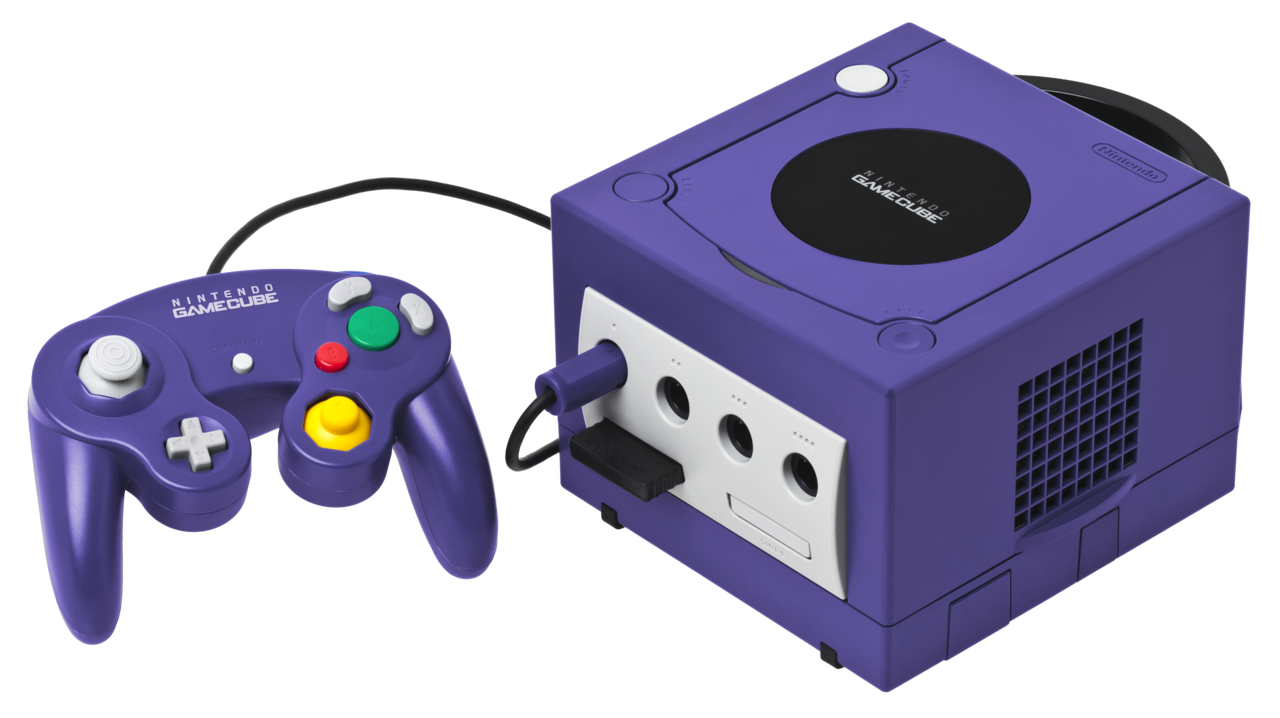
The Nintendo GameCube is a home video game console released by Nintendo in 2001. It occupies a distinct place in the company’s hardware history between the Nintendo 64 and the later Wii. Marketed with a compact cubic case and a colorful controller palette, the system emphasized tight hardware-software integration and a catalogue of first- and third-party titles. It launched in Japan on September 14, 2001, in North America on November 18, 2001, and reached Europe and Australia in May 2002. Production wound down as Nintendo shifted focus to newer platforms; the console was discontinued in the late 2000s after selling roughly 21.7 million units worldwide.
Image gallery
10 Images



Design and hardware characteristics
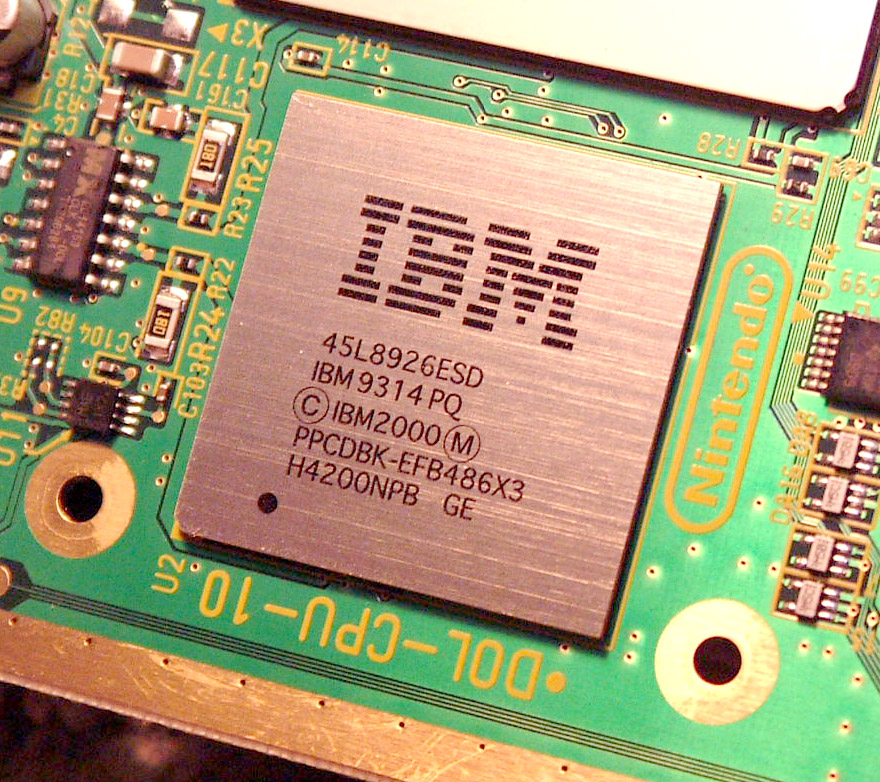
The GameCube departed from the large cartridges of earlier Nintendo systems and used small optical discs (a proprietary miniDVD format). Internally it combined a custom PowerPC-based processor developed with IBM and a graphics processor created with ATI, together tuned for the console’s games. Storage used proprietary memory cards rather than built-in hard drives, and the controller featured an ergonomic layout and pressure-sensitive analog triggers that many players praised. Accessories included a wireless controller (WaveBird), a broadband/modem adapter for online or LAN-capable titles, and the Game Boy Player add-on that attached to the console’s underside to run handheld games.
Software library and notable games
Although it competed against more commercially dominant rivals, the GameCube hosted a number of acclaimed exclusive and multiplatform titles. Nintendo’s first-party lineup delivered defining entries such as The Legend of Zelda: The Wind Waker, Metroid Prime, Super Smash Bros. Melee, Animal Crossing, and Luigi’s Mansion. Several high-profile third-party releases also appeared on the platform, and a handful of games supported online features or LAN play with the proper adapters—Phantasy Star Online is a prominent example. The system’s last licensed game arrived in 2007; by then most first-party development had largely shifted to Nintendo’s newer hardware.
Compatibility and accessories
- The GameCube could be paired with the Game Boy Player to run Game Boy, Game Boy Color and Game Boy Advance titles on a television.
- Later, early models of the Wii provided hardware backward compatibility with GameCube controllers and games.
- Online and network play required optional adapters and selective publisher support; it was the first Nintendo home console to officially offer such capabilities in some form.
History and market position
When it launched, the GameCube faced heavy competition from contemporaries produced by other major manufacturers. Nintendo’s strategy leaned on distinctive gameplay experiences and strong first-party franchises rather than raw hardware specs. The console’s compact form, signature handle in early promotional units, and uniquely shaped controller made it visually and ergonomically recognizable. Over its lifecycle Nintendo and its partners released a steady stream of titles, and although commercial performance trailed some competitors, many of its games remain influential and actively supported by retro communities.
Legacy and notable facts
The GameCube is remembered for a concentrated era of creativity at Nintendo and for producing several series-defining games. Its controller is still favored in competitive scenes for certain titles, and adapters for later systems kept GameCube peripherals useful beyond the console’s active years. For additional information, see the console overview at GameCube resource and related pages from Nintendo and platform communities: manufacturer, predecessor, successor, handheld family, and region- or accessory-specific entries Game Boy Player, Game Boy, Game Boy Color, Game Boy Advance.
Notable dates and figures: initial releases in 2001–2002; last licensed releases appeared mid-to-late 2000s; global sales around 21.7 million units; discontinued as Nintendo concentrated on newer platforms.
Questions and answers
Q: What is the Nintendo GameCube?
A: The Nintendo GameCube is the fourth video game home console made by Nintendo.
Q: When was the last game released for the GameCube?
A: The last game released for the GameCube was Madden NFL 08, which was released on August 14, 2007.
Q: What new features did the GameCube have compared to other Nintendo video game consoles?
A: The GameCube had many new features compared to other Nintendo video game consoles, including being the first to officially support Internet play (playing together without wires) and connecting to the Game Boy Player to allow special features and play various types of games.
Q: When was it released in Japan?
A: The console was released on September 14, 2001 in Japan.
Q: When did production end for the console?
A: Production ended in early 2009 when focus shifted to producing more Wii and DS consoles.
Q: How many units were sold worldwide?
A: The GameCube sold 21.74 million units worldwide.
Related articles
Author
AlegsaOnline.com Nintendo GameCube: overview, hardware, software, and legacy Leandro Alegsa
URL: https://en.alegsaonline.com/art/119380
Sources
- news.cnet.com : "Nintendo reports record GameCube launch"
- edition.cnn.com : "Nintendo unveils Gamecube launch plans"
- news.bbc.co.uk : "NEW MEDIA | GameCube price dropped"
- nintendo.co.jp : "Consolidated Sales Transition by Region"
- nintendo.com : "At Long Last, Nintendo Proclaims: Let the Brawls Begin on Wii!"