
Plauen — City of the Vogtland in Saxony, Germany
Plauen is the largest town in the Vogtland region of southwest Saxony, Germany, known for its historic lace industry, 19th‑century architecture and river valley setting. It is the fifth‑largest city in Saxony.
Overview
Plauen is the principal urban centre of the Vogtland region in the southwest of the German state of Saxony. It lies in a valley on the White Elster river and has long served as a local market, manufacturing and administrative centre. The surrounding low mountains and plateaux shape its compact urban core and the pattern of surrounding villages. Plauen is the largest town in the Vogtlandkreis district and part of the federal state of Saxony.
Image gallery
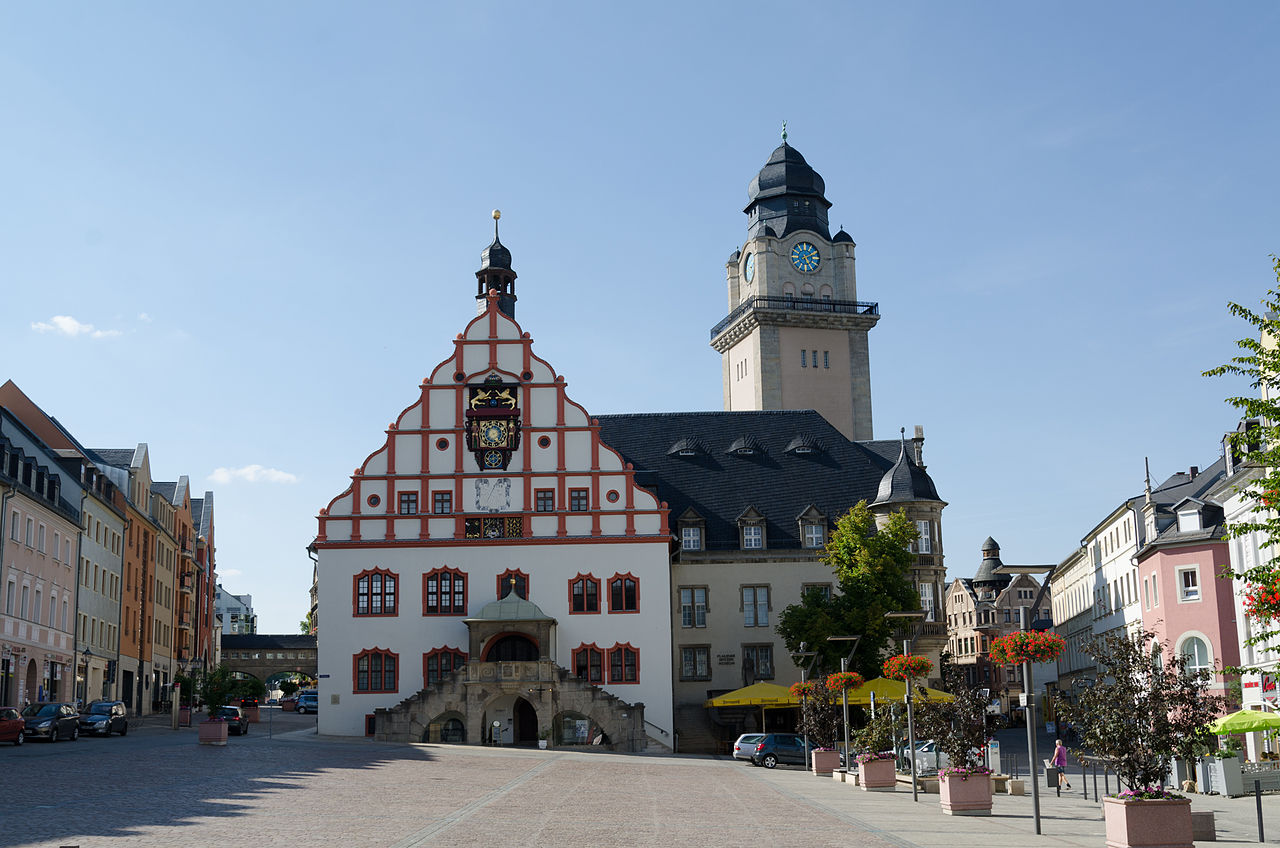
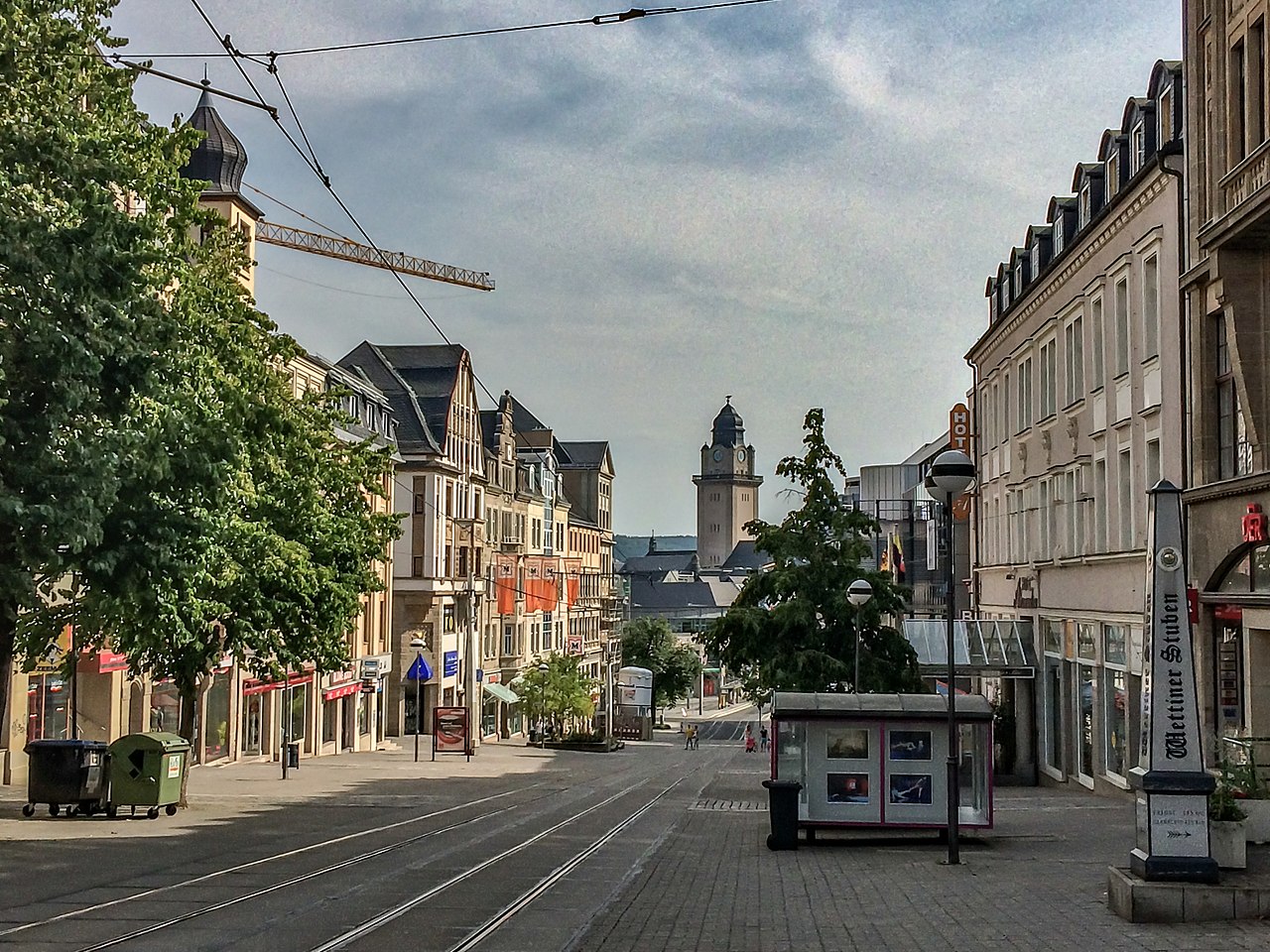
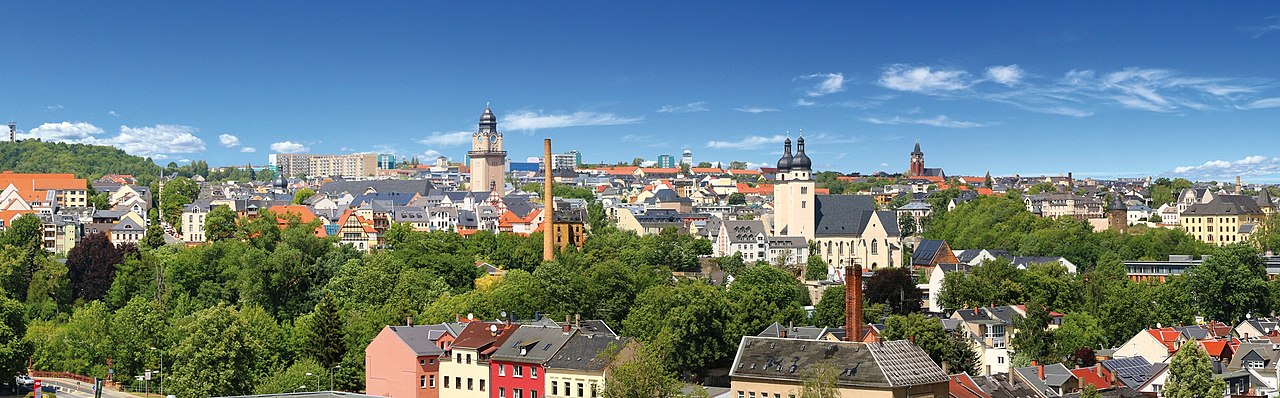
10 Images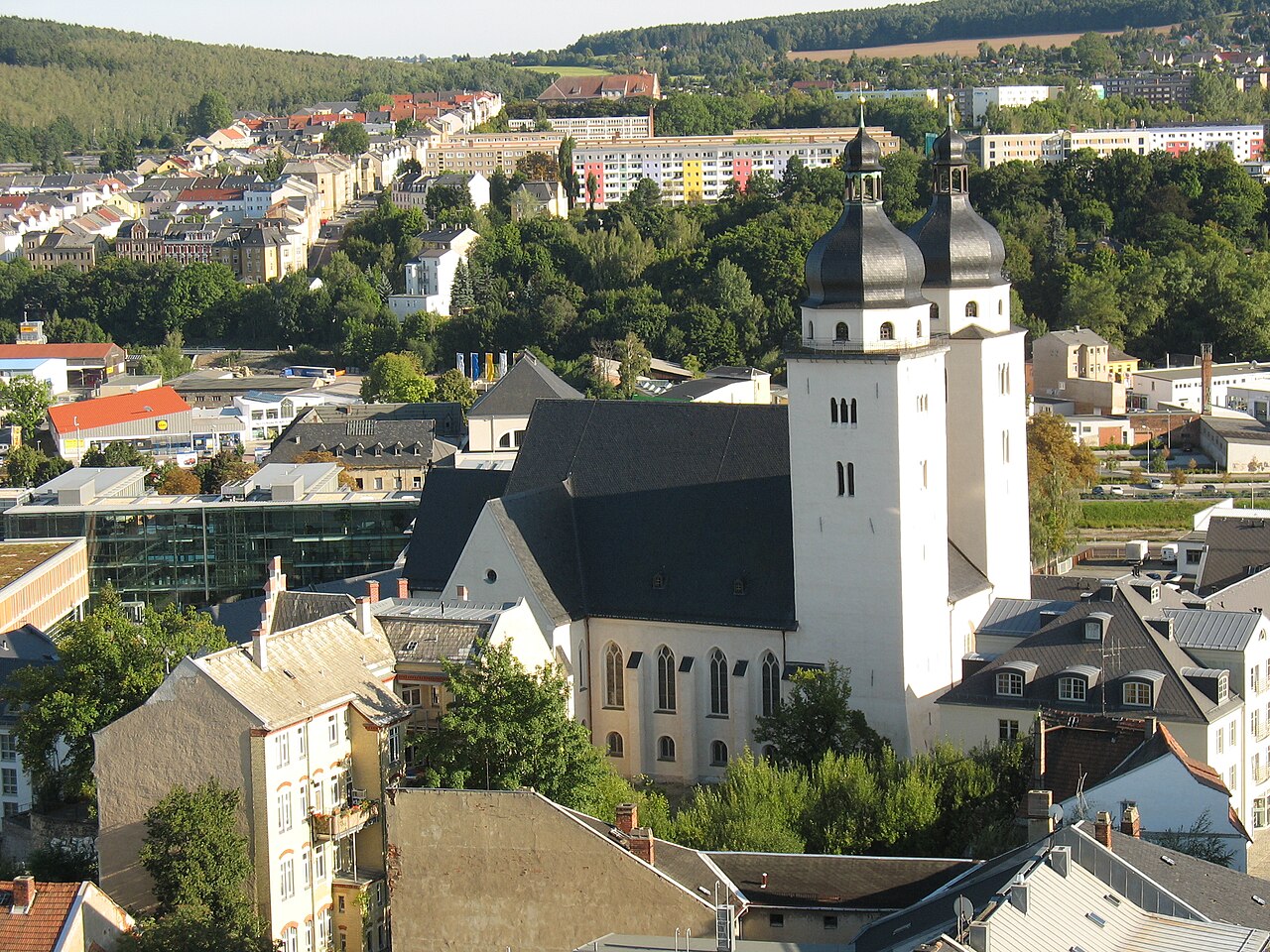






Size and administration
Within Saxony, Plauen is commonly ranked as the fifth‑largest city after larger centres such as Leipzig, Dresden, Chemnitz and Zwickau. For many years it was an independent district (Kreisfreie Stadt) but following regional reform it became part of the larger Vogtlandkreis on 1 August 2008. Administrative, health and educational services in the town serve a wider rural hinterland and smaller communities around the Vogtland.
History
The settlement that became Plauen grew through the medieval period and expanded significantly during the 19th century with industrialisation. Textile manufacture, notably lace production known as Plauen lace (Plauener Spitze), and machine building were important economic drivers. The town suffered damage during the 20th century and underwent rebuilding and economic restructuring after German reunification. Its industrial and craft heritage remains visible in museums and surviving workshops.
Geography and transport
Plauen occupies a river valley setting with hills nearby, which influences local transport corridors. The town is connected by regional rail and road links to other parts of Saxony and neighbouring states. The nearest larger cities commonly cited for orientation are Zwickau (about 35 km to the northeast) and Gera (about 41 km to the north). Rail services and regional bus routes link Plauen to these and to larger long‑distance hubs such as Leipzig and Dresden.
Economy and culture
The local economy combines small and medium enterprises, services and cultural tourism built on historical specialisms. Plauen lace remains an important cultural symbol and is displayed in local museums and exhibitions. The town centre contains notable examples of 19th‑ and early‑20th‑century architecture, including Art Nouveau (Jugendstil) facades and civic buildings. Cultural life includes museums, theatres and festivals that serve both residents and visitors from the wider Vogtlandkreis area.
Landmarks and visitor information
Visitors find a compact historic core with churches, civic buildings and streetscapes that reflect the town's industrial prosperity. Local museums interpret the lace industry and machine building, while walking routes and viewpoints in the surrounding hills offer scenic views of the White Elster valley. For current practical information, municipal and district pages provide contacts, event listings and services: see the city administration entry at local administration and regional information at the Vogtlandkreis portal. Further background material and regional resources are available through broader Saxony and neighbouring city materials such as those for Chemnitz, Zwickau and the state authorities at Saxony.
Related articles
Author
AlegsaOnline.com Plauen — City of the Vogtland in Saxony, Germany Leandro Alegsa
URL: https://en.alegsaonline.com/art/77377
Sources
- commons.wikimedia.org : Plauen · web.archive.org
- destatis.de : destatis.de/DE/ZahlenFakten/LaenderRegionen/Regionales/Gemeindeverzeichnis/Administrativ/…
- statistik.sachsen.de : "Aktuelle Einwohnerzahlen nach Gemeinden 2016] (Einwohnerzahlen auf Grundlage des Zensus 2011)"