
Plant propagation: methods, uses, and practical guidance
An accessible overview of plant propagation covering sexual and asexual methods, common techniques (seeds, cuttings, grafting, tissue culture), practical tips, historical context and uses in gardening and agriculture.
Plant propagation is the process of producing new plants from existing ones. It encompasses both sexual reproduction, via seeds, and asexual (vegetative) reproduction, which produces genetically identical offspring. Gardeners, nurseries and conservationists use propagation to multiply desirable varieties, conserve rare species, and restore landscapes.
Image gallery
6 Images
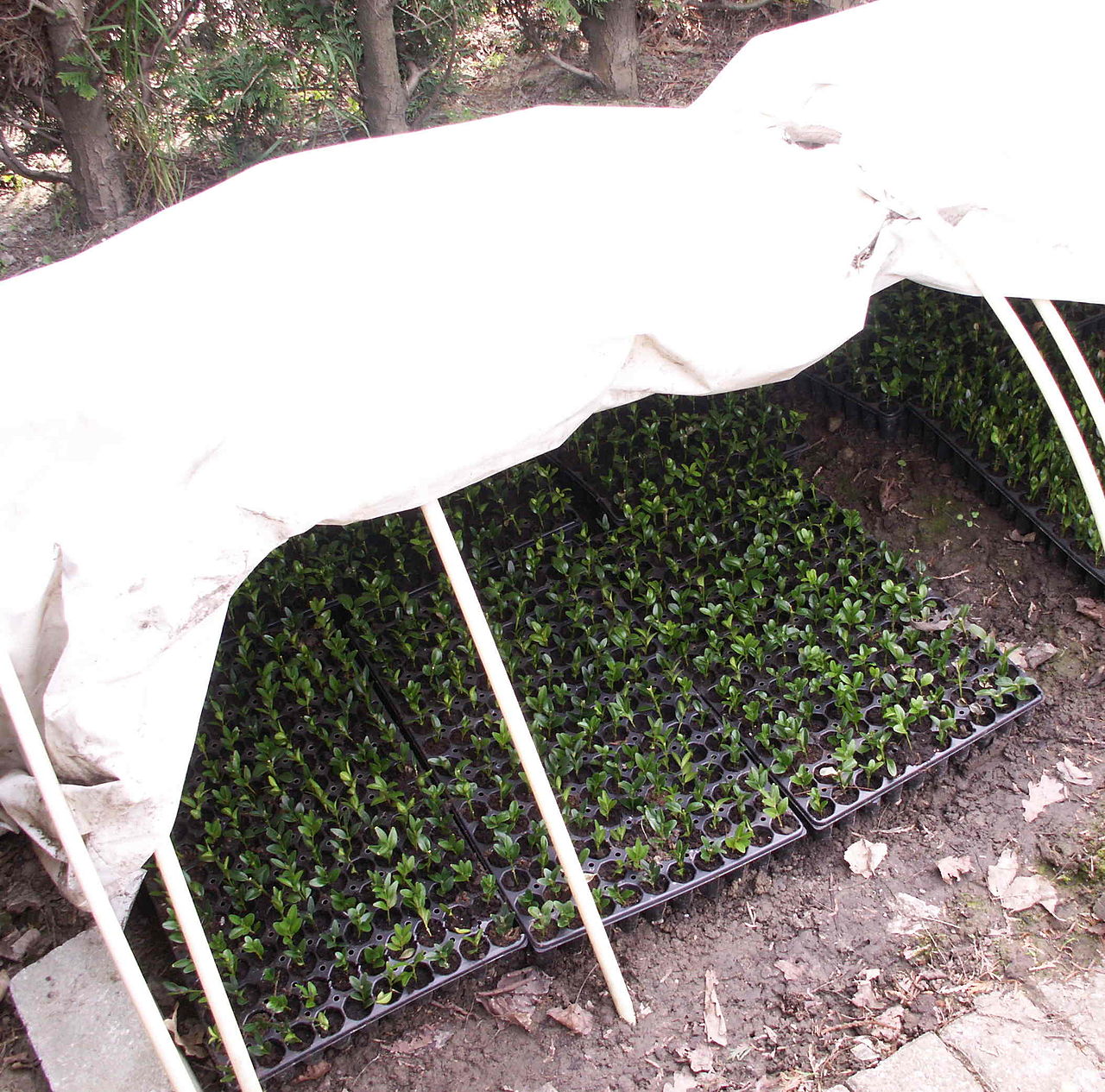


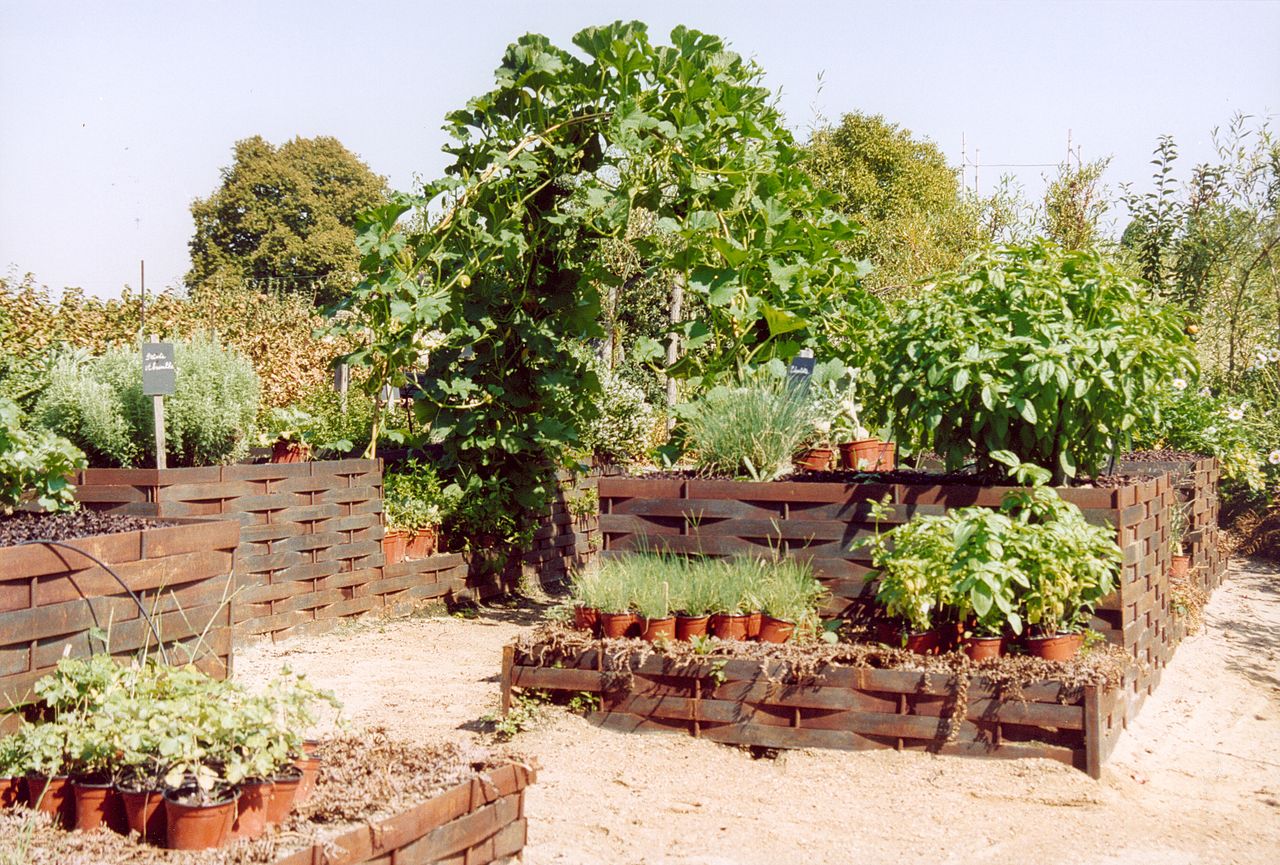

Common methods
- Seeds: Sexual propagation that creates genetic variation; useful for many wild and cultivated species.
- Cuttings: Sections of stem, leaf or root are encouraged to form new roots and shoots; widely used for shrubs and houseplants.
- Division: Separating bundled or clumping plants into multiple individuals; common for perennials and bulbs.
- Layering: Inducing a branch to root while attached to the parent plant, then detaching it as a new plant.
- Grafting and budding: Joining tissues from two plants so they grow as one; important in fruit trees and woody ornamentals.
- Tissue culture: Laboratory techniques that produce many clones from small tissue samples under sterile conditions.
Each method has advantages and limits: seeds offer diversity and resilience, while vegetative techniques preserve exact traits. Choice depends on species, desired traits and available resources.
Practical considerations
Successful propagation rests on timing, sanitation and environmental control. Many cuttings root best with fresh, healthy material, a suitable rooting medium, and consistent moisture and warmth. Grafting requires compatible stock and scion and careful alignment of vascular tissues. Tissue culture demands sterile technique and specialized media.
Propagation also raises ecological and legal questions: moving plants across regions can spread pests or invasive species, and some cultivated varieties are protected by plant breeders' rights. For practical guidance and regional recommendations, consult local extension services or reputable sources such as further reading.
Related articles
Author
AlegsaOnline.com Plant propagation: methods, uses, and practical guidance Leandro Alegsa
URL: https://en.alegsaonline.com/art/77289