
Placard: meaning, forms, uses, and distinguishing features
A placard is a posted sign or hand-held notice used to inform or warn people. This article explains common types, features, history, regulatory uses, examples, and how placards differ from other displays.
A placard is a displayed notice or sign intended to provide information, instructions, or warnings to viewers. In general usage a placard can be a fixed sign mounted on a wall or vehicle, a hand-held board carried during a demonstration, or a small sheet attached to equipment. The term covers both simple text notices and signs that incorporate standardized symbols: for example, a traffic or safety sign may be referred to as a placard, and similar devices are often used to highlight danger or hazards.
Image gallery
4 Images


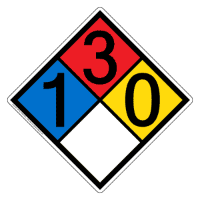
Common characteristics
Placards share several practical features that make them effective at communicating at a glance. Typical characteristics include clear lettering, contrasting colors, pictograms for quick recognition, and durable materials suitable for the environment in which they are used. Sizes range from small cards attached to machinery to large panels affixed to vehicles or buildings. Many placards follow visual conventions—such as color coding or symbol shape—to signal urgency or category of information.
Symbols, pictograms and standards
When a hazard must be indicated, placards frequently display internationally or regionally agreed symbols rather than long text. Examples include hazard symbols and compact pictograms that convey flammable, toxic, corrosive or radioactive risks. Transport and workplace safety systems often prescribe the design and placement of these placards so that emergency responders and workers can identify the nature of a risk quickly.
History and word origin
The word placard comes from earlier European languages with a basic sense of posting notices in public places. Historically, placards were broadside notices pasted to walls or doors to announce official proclamations or public information. Over time the term expanded to include a wide range of posted and hand-held signs in both civic and industrial contexts.
Uses and examples
- Safety warnings on equipment and in workplaces, often attached near controls or access points.
- Identification of hazardous materials on transport vehicles and storage containers.
- Instructional cards or leaflets that show how to operate a piece of machinery or emergency device; in some contexts "placard" is used for such an operating guide (machine documentation).
- Public information displays and protest signs carried by people in demonstrations.
Because placards may be regulated where they relate to health, safety or transport, designers and users should consult relevant standards and local rules. In everyday language a placard overlaps with terms like "poster," "label," and "sign," but it usually implies a notice intended for clear, concise communication in a specific place or situation. For more detailed guidance on visual conventions and legal requirements, follow authoritative sources and local regulations.
Related articles
Author
AlegsaOnline.com Placard: meaning, forms, uses, and distinguishing features Leandro Alegsa
URL: https://en.alegsaonline.com/art/77186