
Pierre Henry: Pioneer of Musique Concrète and Electroacoustic Composer
Pierre Henry (1927–2017) was a French composer known for developing musique concrète and electroacoustic music, creating experimental works for theatre, ballet and film and collaborating with artists across genres.
Pierre Henry (9 December 1927 – 5 July 2017) was a French composer and a central figure in the emergence of musique concrète, an approach to music that uses recorded sounds as raw material. Working in the post‑war years, he helped establish techniques and aesthetic principles that expanded the definition of musical sound, bringing tape editing, splicing and electronic processing into concert and stage works.
Image gallery
2 Images
Musical approach and characteristics
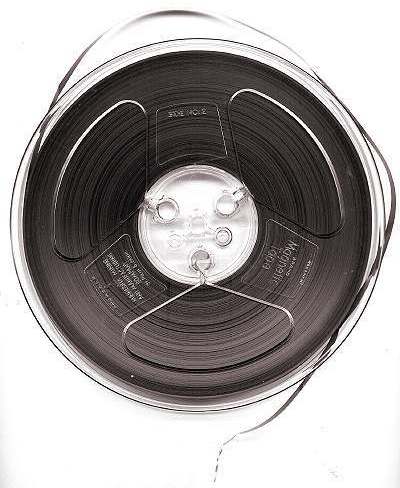
Henry's music is characterized by the use of everyday noises, recorded instrumental fragments and electronically altered timbres arranged into deliberate forms. Rather than treating sound as notation for performance, musique concrète treats recorded audio as objects to be shaped—cut, looped, layered and modified. Henry favored dramatic contrasts, rhythmic construction from nontraditional sources and collaborations with choreographers and filmmakers to place his soundscapes in theatrical contexts.
Career beginnings and development
Active from the late 1940s, Henry worked alongside other early experimenters in French radio studios to refine tape techniques and compositional methods. He co‑authored seminal pieces and later produced a steady output of stage scores, radiophonic pieces and concert works. His practice moved fluidly between academic experiment and popular collaboration, bringing avant‑garde sound ideas into broader public settings.
Notable works and collaborations
- Symphonie pour un homme seul (with Pierre Schaeffer) — an early landmark in concrete music that explored montage of sounds.
- Messe pour le temps présent (1967) — a ballet score created for contemporary dance productions and known for the rhythmic piece often called "Psyché Rock".
- Ceremony — a cross‑genre album made with the British rock band Spooky Tooth, illustrating Henry's interest in bridging electronic sounds and popular music.
For more on his life and methods see biographical resources, and detailed discussions of the musique concrète movement at related analytical pages. Specific works and stage pieces are summarized on specialist sites such as performance archives and discography listings at recording catalogues.
Legacy: Henry helped to redefine what could be considered musical material and influenced generations of electronic, experimental and popular musicians. Elements of his rhythmic and timbral experiments have been cited in later soundtracks and media; for example, the driving patterns in "Psyché Rock" have been widely noted in relation to contemporary television themes. Pierre Henry died in a Paris hospital on 5 July 2017 at the age of 89, leaving a body of work that remains central to studies of electroacoustic composition and sound art.
Related articles
Author
AlegsaOnline.com Pierre Henry: Pioneer of Musique Concrète and Electroacoustic Composer Leandro Alegsa
URL: https://en.alegsaonline.com/art/76812