
Phoenix (mythical bird)
The phoenix is a legendary bird found across several cultures, associated with cyclical renewal, immortality, and fire; stories and meanings vary among Egyptian, Greek, Persian, Chinese, and later traditions.
Overview
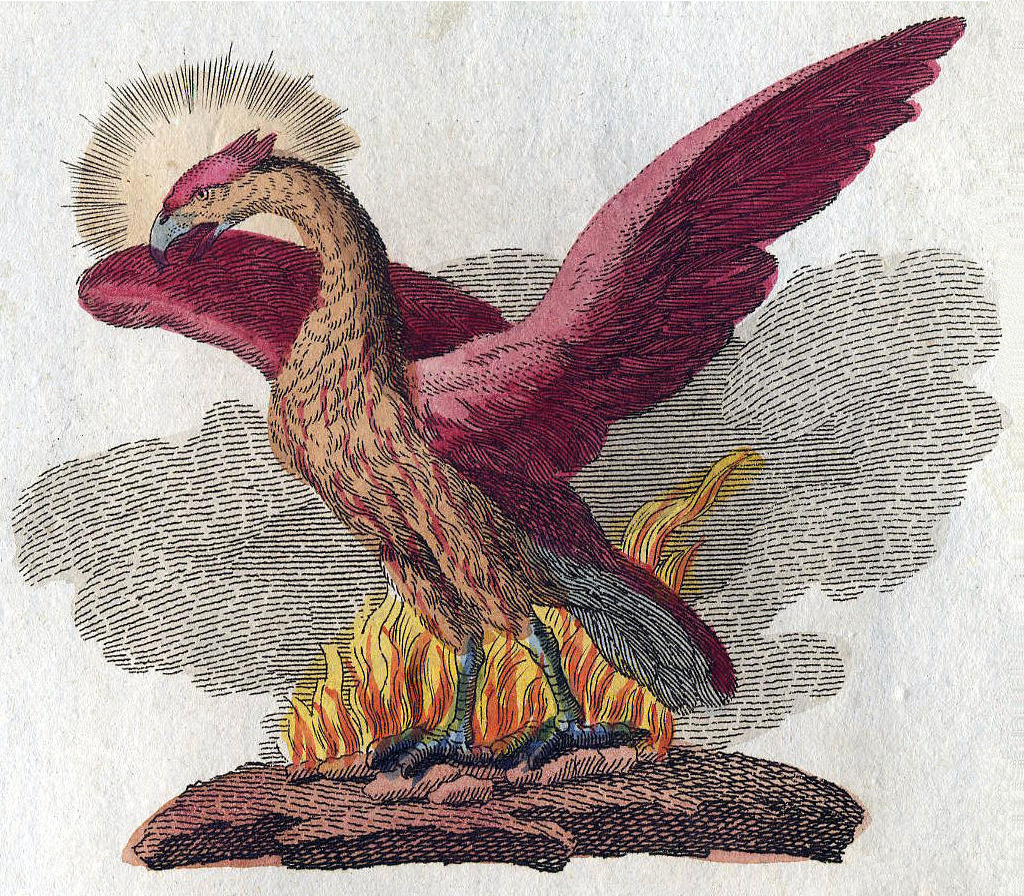
The phoenix is a legendary bird whose stories appear in many cultural traditions from the ancient Near East to East Asia. Common to most accounts is the idea of extraordinary age, a dramatic death by fire or immolation, and a subsequent return to life from ashes or an egg. Because of this cycle of death and rebirth the phoenix is widely taken as a symbol of renewal, immortality, and the endurance of spirit.
Image gallery
8 Images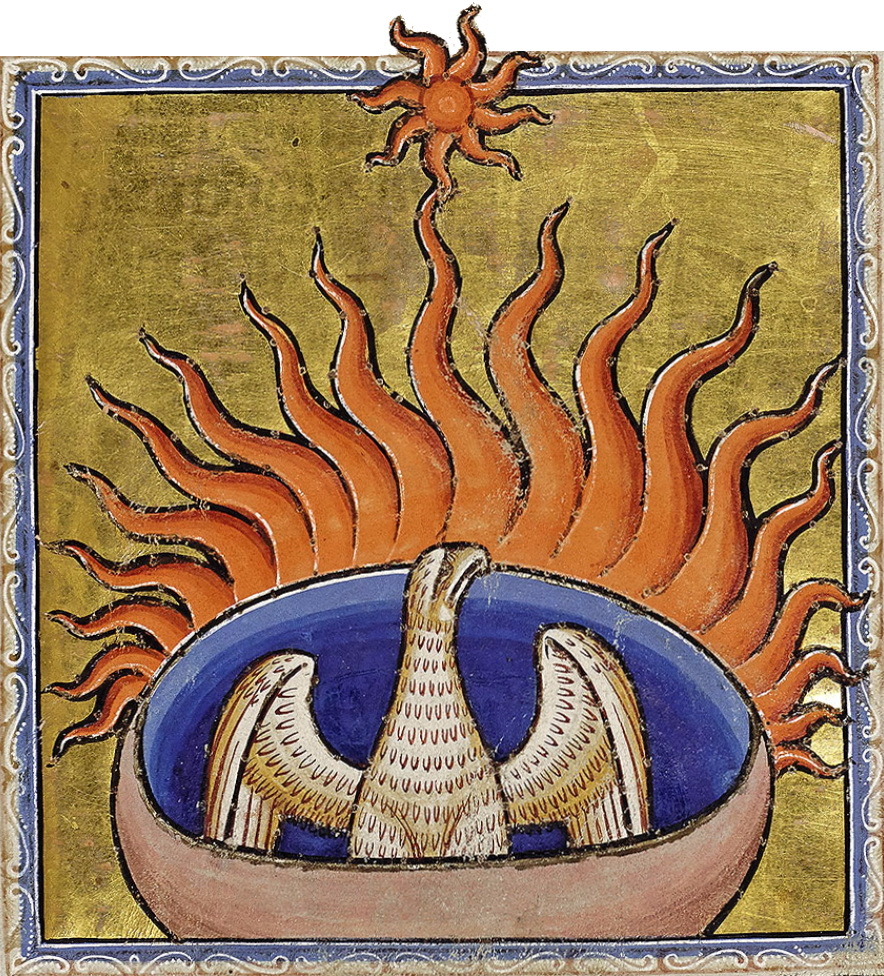




Characteristics and symbolism
Descriptions of the phoenix vary, but it is typically depicted as a large, brightly colored bird with plumage that suggests flames, gold, or crimson. The bird is often linked with the sun and with themes of regeneration and purification. In literary and allegorical uses the phoenix can represent personal transformation, resurrection, the passage of time, or a hopeful new beginning after destruction.
Cultural variations
Different cultures have given the phoenix-like figure distinctive names and attributes. A few well-known variations include:
- Egyptian: The Bennu, associated with the sun god and with creation myths, was sometimes portrayed as a heron-like bird connected to cycles of renewal.
- Greek and Roman: Classical writers described a solitary, long-lived bird that built a nest, died in flames or aromatic fire, and was reborn from its own ashes or from an egg it left behind. Ancient authors used it as a symbol of renewal and of the undying soul.
- Persian and Middle Eastern: Fire-associated birds appear in Persian lore and early Islamic literature with overlaps to the phoenix theme. The details and names differ among traditions.
- East Asian: In China the fenghuang is a composite, auspicious bird representing virtue and harmony rather than literal fire-based rebirth; in Japan the related motif is called hō-ō or fushichō, with cultural meanings adapted to local beliefs.
History and transmission
Stories of a singular, miraculous bird appear in the literature of many ancient peoples and were transmitted through trade, conquest, and translation. Classical authors, later Christian writers, medieval Islamic scholars, and Renaissance poets all referred to phoenix-like creatures, adapting the motif to their own symbolic needs. The image of the phoenix has thus been reinterpreted repeatedly rather than remaining a fixed, identical legend.
Uses, examples, and modern significance
The phoenix appears widely in art, heraldry, and literature as a powerful emblem of recovery and continuity. In religious and philosophical writings it has been used as an emblem of resurrection and the soul's persistence. In modern culture the phoenix often symbolizes renewal after catastrophe—appearing in novels, flags, corporate logos, and popular media—and serves as a metaphor for ecological, personal, or societal rebirth.
Notable distinctions
It is important to distinguish phoenix traditions from other mythic birds: not every auspicious or long-lived bird is a phoenix in the strict sense. Details such as whether the bird is solitary, whether it dies and is literally reborn from ashes, and whether it is linked to solar cults or moral virtues vary significantly. Recognizing these differences helps when comparing classical, Middle Eastern, and East Asian versions of the motif.
Overall, the phoenix remains one of the most enduring mythic images of transformation—an emblem that cultures have repeatedly reshaped to express hopes about renewal, continuity, and the triumph of life over destruction.
Related articles
Author
AlegsaOnline.com Phoenix (mythical bird) Leandro Alegsa
URL: https://en.alegsaonline.com/art/76544
Sources
- britannica.com : britannica.com/topic/phoenix-mythological-bird