
Philip Roth — American Novelist and Chronicler of Jewish-American Life
Philip Roth (1933–2018) was an influential American novelist whose work examined Jewish identity, sexuality, and American culture. Major books include Goodbye, Columbus; Portnoy's Complaint; and The Human Stain.
Overview
Philip Roth (March 19, 1933 – May 22, 2018) was an American novelist best known for probing questions of identity, desire and moral responsibility. Born and raised in Newark, New Jersey, he studied literature at the University of Chicago and published a steady stream of novels, short stories and novellas across several decades. His fiction often blends satirical bite with candid psychological observation.
Image gallery
5 Images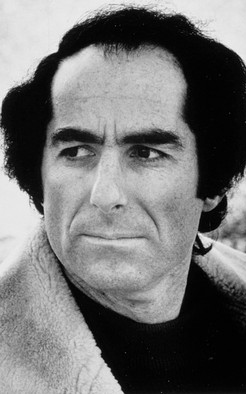


Themes and style
Roth’s work frequently examines Jewish-American life, male sexuality, shame and self-invention. He developed a reputation for frankness about erotic experience and for a narrative voice that can be confessional, comic, bitter or mournful. Many of his books use a recurring narrator or alter ego—most famously Nathan Zuckerman—to explore how personal history and imagination intersect. His prose ranges from realist narratives to metafictional experiments that blur autobiography and invention.
Major works
- Goodbye, Columbus (short novel and stories) — early breakthrough that won wide attention.
- Portnoy's Complaint — a candid comic monologue that intensified both acclaim and controversy.
- American Pastoral — part of a later political and historical cycle addressing postwar America.
- The Human Stain — a late-career novel about identity, scandal and the cultural climate of the 1990s.
Awards, adaptations and reception
Roth received many honors during his career, including the Pulitzer Prize (for American Pastoral) and the National Book Award (for Goodbye, Columbus). Several of his works have been adapted for stage and screen, and his blunt treatment of sex and ethnicity generated both praise and controversy. Critics and readers have alternately celebrated his linguistic energy and criticized his portrayals of women and Jewish characters.
Legacy and later life
Roth remained one of the most discussed American writers of his generation, influencing novelists who followed and prompting sustained scholarly attention. He published more than three decades of work that charted changes in American society and in private life. He died in New York City of congestive heart failure at a Manhattan hospital on May 22, 2018, at the age of 85 (hospital record).
For readers new to Roth, his writing rewards attention to voice and moral complexity: whether comic or tragic, his books persistently ask how much of a life can be owned by the self and how much is shaped by family, history and public judgment.
Related articles
Author
AlegsaOnline.com Philip Roth — American Novelist and Chronicler of Jewish-American Life Leandro Alegsa
URL: https://en.alegsaonline.com/art/76442