
Philip Sheridan (1831–1888)
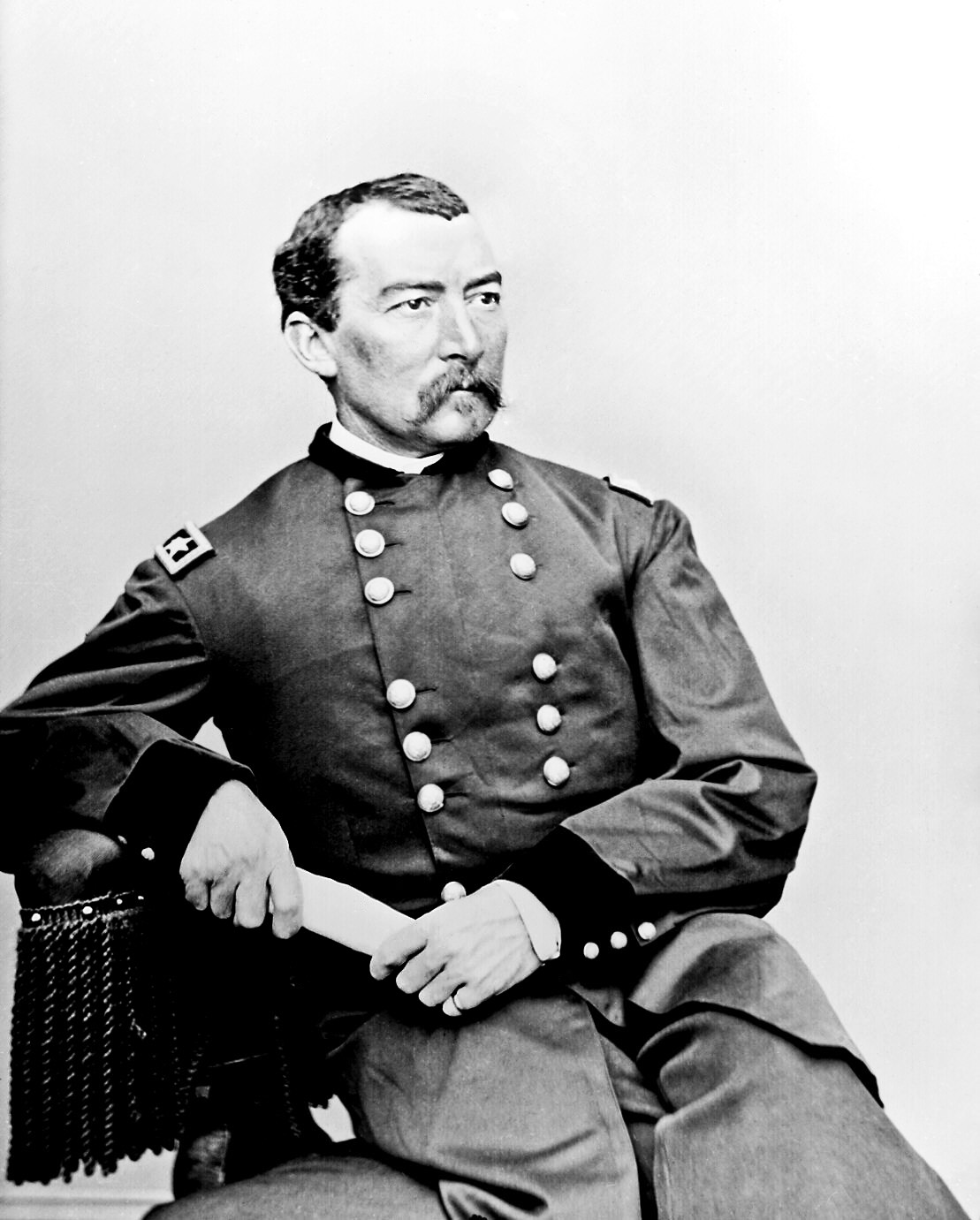
Philip Sheridan was a Union general noted for aggressive cavalry leadership in the American Civil War and later for commanding U.S. Army forces in the Plains Indian Wars. He is remembered for the Shenandoah campaigns.
Overview
Philip Henry Sheridan (1831–1888) was a senior officer in the United States Army whose energetic and often aggressive leadership made him one of the best-known Union commanders of the American Civil War. Born in New York and raised in Ohio, Sheridan graduated from the United States Military Academy in the 1850s and rose from junior officer to high command during the conflict. His reputation rests on fast, decisive cavalry operations, the destruction of Confederate resources in the Shenandoah Valley, and his contribution to the final campaigns against Confederate forces in 1864–1865.
Image gallery
10 Images


Military career and characteristics
Sheridan became noted for mobility, rapid concentration of force, and an emphasis on denying the enemy supplies and shelter. Early in the war he served in the Western Theater, advancing from brigade to divisional command as the conflict expanded. In 1864 he was transferred to the Army of the Potomac to lead its cavalry corps where he shaped the Union mounted arm into an effective offensive tool. Sheridan's style combined personal initiative, strict discipline, and a willingness to apply harsh measures against military targets to hasten Confederate collapse.
Notable campaigns and actions
Among Sheridan's most consequential operations was his summer–autumn 1864 campaign in the Shenandoah Valley, a region long important to the Confederate war effort. His forces defeated opposing Confederate armies in a series of engagements and carried out systematic destruction of crops, livestock and infrastructure that impaired the Confederacy's ability to sustain operations in the region. Sheridan also played a vital role in operations during the Appomattox campaigns that contributed to the final surrender of Confederate forces.
Postwar service and legacy
After the Civil War Sheridan continued to serve as a senior army officer. He was assigned significant responsibilities on the frontier during the period of conflict between the United States and several Native American nations, a chapter of his career that remains controversial because of the tactics and policies applied. Historians recognize Sheridan for his operational skill and for helping to professionalize U.S. cavalry, while also debating the ethical and long-term consequences of his actions in the postwar West.
Further reading and references
- Civil War biography and overview
- Early life and family background
- Ohio years and prewar service
- United States Military Academy records
- Western Theater commands and actions
- Divisional leadership and promotions
- Army of the Potomac cavalry command
- Postwar frontier service and Indian Wars
Note: This article provides an overview of Sheridan's life and career. Readers seeking detailed campaign narratives, primary documents, or scholarly debates should consult specialized histories and archival sources represented by the links above.
Related articles
Author
AlegsaOnline.com Philip Sheridan (1831–1888) Leandro Alegsa
URL: https://en.alegsaonline.com/art/76443