
Philip VI of France (1293–1350), first Valois king
Philip VI (1293–1350) was the first Valois king of France (1328–1350). His reign saw the start of the Hundred Years' War, major military defeats, and the social disruption of the Black Death.
Philip VI (born 1293, died 22 August 1350) became king of France in 1328 and reigned until his death. His accession inaugurated the Valois branch of the royal family and marked a turning point in French medieval history. Philip is sometimes called "the Fortunate," a sobriquet that later historians have treated with irony given the wars and crises of his reign.
Image gallery
7 Images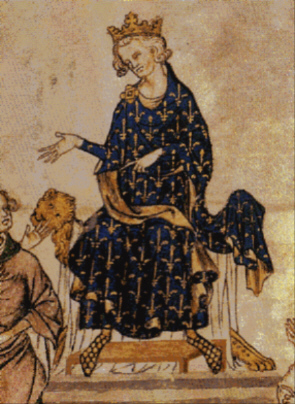



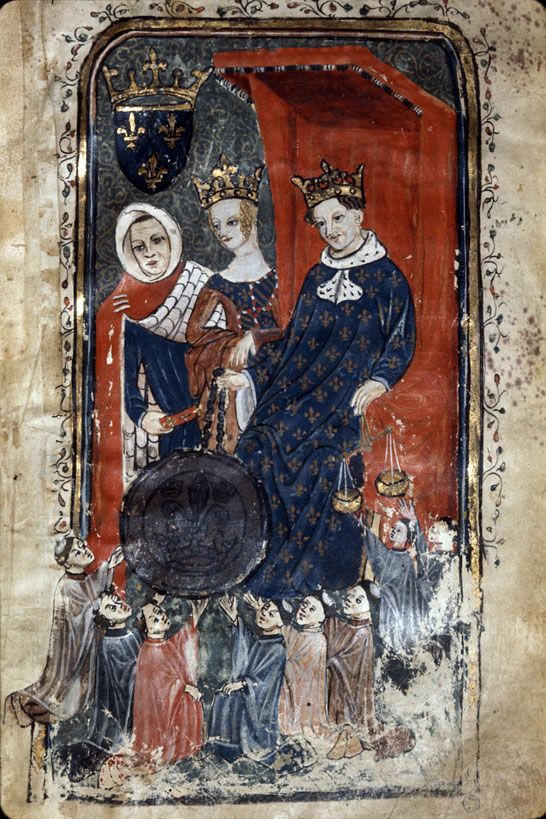
Titles and succession
Before becoming monarch he held several comital titles, notably Count of Anjou and Count of Maine, and he had long been styled Count of Valois. When the direct male line of the elder Capetian kings ended, Philip—grandson of King Philip III—was chosen as King of France under principles later associated with the Salic law. This succession made him the first ruler from the new branch of the Capetian dynasty known as the House of Valois.
Philip's claim was accepted by the French peers but disputed abroad. His elevation resolved an immediate dynastic crisis at home while setting the stage for a prolonged rivalry with England, where Edward III advanced his own competing claim to the French crown through his mother.
Reign: governance, war, and crisis
Philip VI strengthened royal authority by relying on royal officers and financial innovations, but his government faced persistent fiscal strain. The most defining conflict of his rule was the opening of the Hundred Years' War: a struggle over territorial rights, feudal obligations and competing dynastic claims that began in the 1330s and dominated much of his reign.
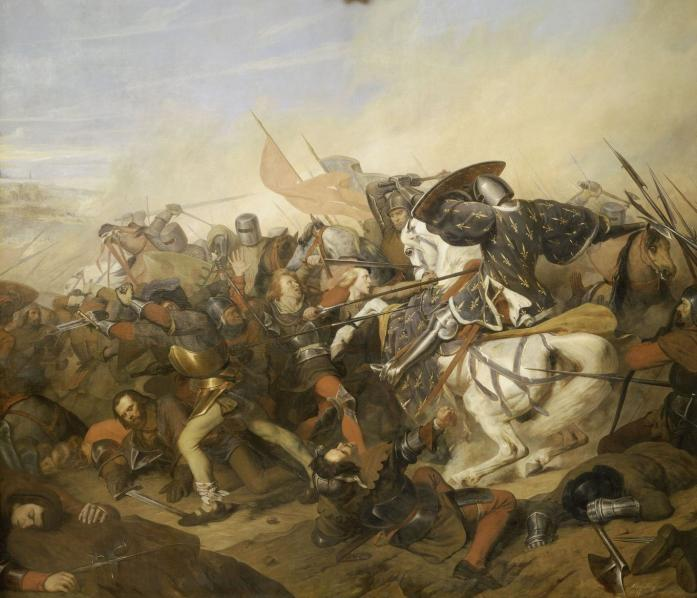
Military events under Philip included heavy reverses. French forces suffered a decisive defeat at the Battle of Crécy (1346), and the strategic port of Calais fell to the English after a siege (1346–1347). These losses exposed weaknesses in contemporary warfare and had lasting political consequences.
Philip also ruled during the arrival of the Black Death in the late 1340s, a pandemic that caused severe demographic and economic disruption across Europe and compounded the challenges of war and taxation that his administration faced.
Legacy and notable facts
Philip VI's reign is often judged by the disasters that followed him—the escalation of the Hundred Years' War and the social upheavals of the mid‑14th century—but he also established the Valois dynasty that would lead France for more than two centuries. He was succeeded by his son, John II (John the Good), and his period of rule remains a key moment in the transition from high to late medieval France.
- 1328: Philip becomes king after the extinction of the senior Capetian line.
- 1337: Open conflict with England escalates into the Hundred Years' War.
- 1346: Defeat at the Battle of Crécy.
- 1346–1347: Siege and fall of Calais to Edward III.
- 1348: Pandemic pressures as the Black Death reaches France.
For more details on events and personalities connected with his life, consult dedicated studies and archival sources via general reference links such as royal biographies and regional histories of Anjou and Maine. Broader genealogical and dynastic context is discussed in works on the House of Valois and the wider Capetian dynasty.
Related articles
Author
AlegsaOnline.com Philip VI of France (1293–1350), first Valois king Leandro Alegsa
URL: https://en.alegsaonline.com/art/76448