
Pharynx: structure, function, and clinical significance
The pharynx is the muscular tube at the back of the throat that links the nasal and oral cavities with the larynx and esophagus. It plays key roles in breathing, swallowing, speech, and common clinical conditions.
Overview
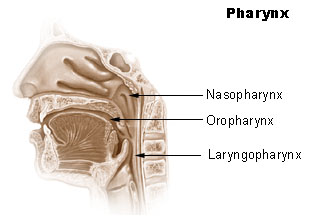
Image gallery
10 Images




Structure and parts
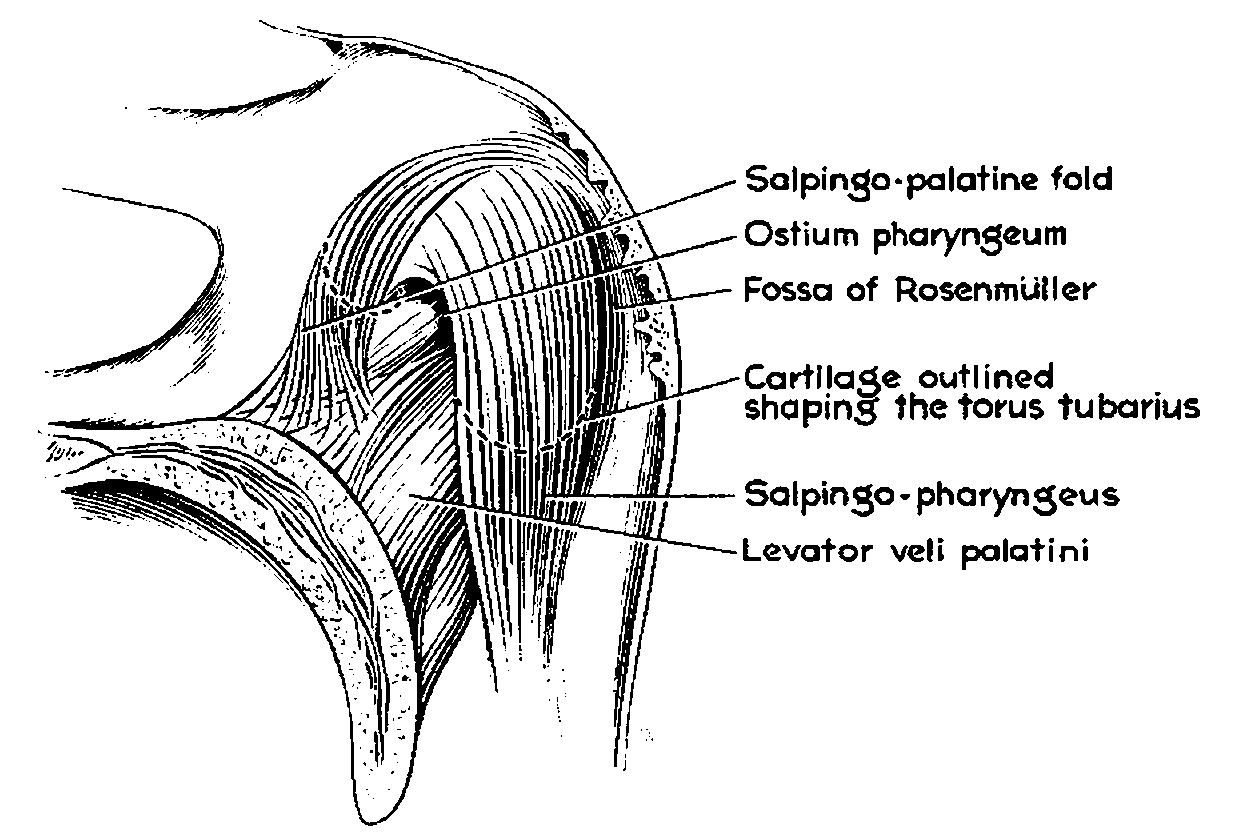
- Nasopharynx: the upper portion posterior to the nasal cavity, important for respiration and Eustachian tube openings.
- Oropharynx: the middle region behind the oral cavity through which food and liquids pass.
- Laryngopharynx (hypopharynx): the lowest part that directs swallowed material toward the esophagus and away from the larynx.
Function
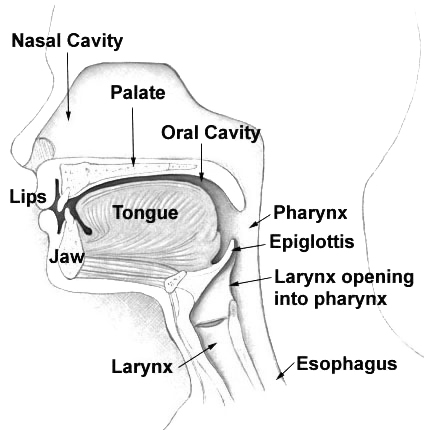
The pharynx conducts both air and food and coordinates reflexes that prevent aspiration. The elastic epiglottis covers the glottis during swallowing so that solids and liquids are diverted into the esophagus rather than the airway. It also contributes to voice resonance and middle-ear pressure regulation.
Tissues and mechanics
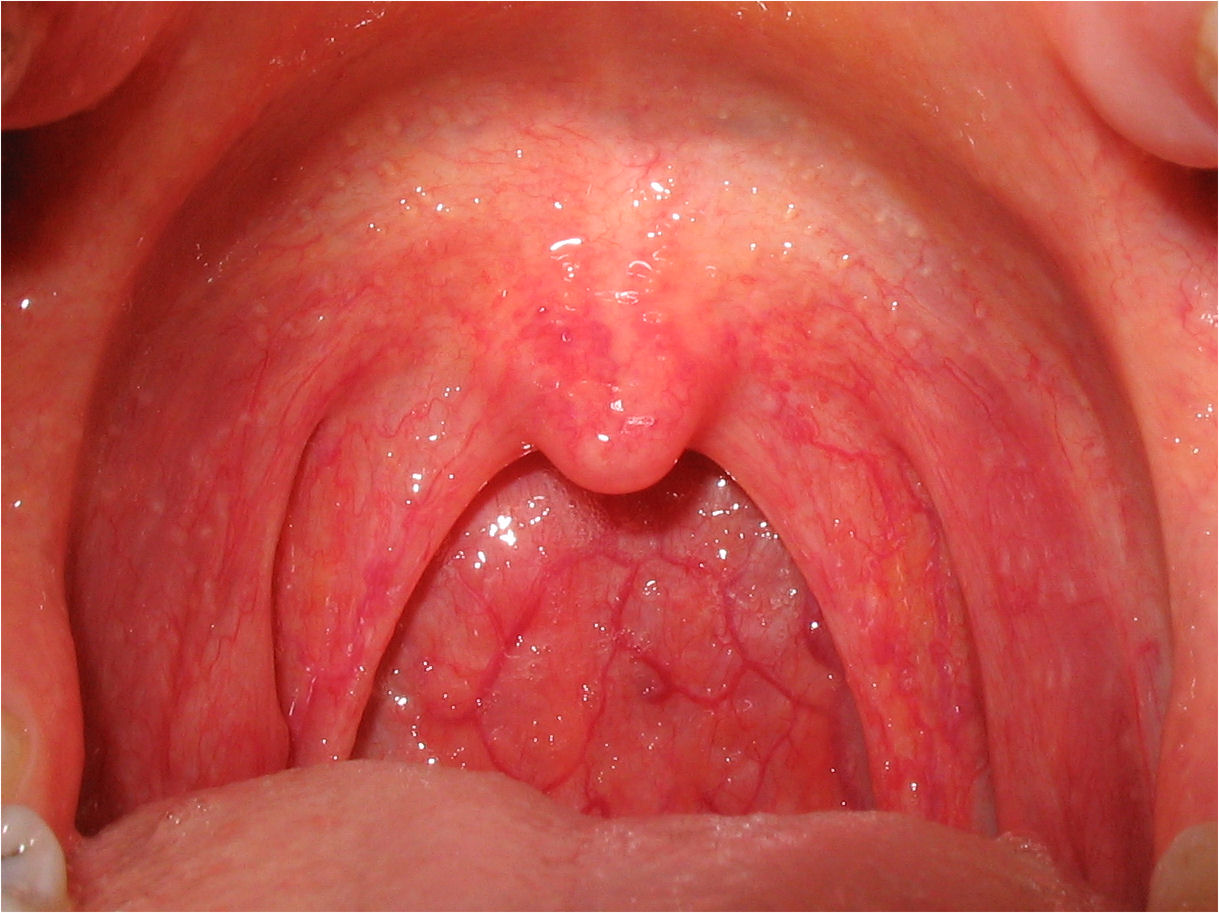
Its wall is made of mucosal lining and layers of skeletal muscle that contract sequentially during swallowing to propel the bolus. Lymphoid tissues including the palatine and pharyngeal tonsils sit in the pharyngeal walls and participate in immune defense, but they can also become inflamed or enlarged.
Clinical relevance and examples
Common problems include viral or bacterial pharyngitis (sore throat), tonsillitis, sleep-disordered breathing and obstructive sleep apnea due to pharyngeal collapse, and aspiration pneumonia when material enters the lungs. Assessment may involve inspection, endoscopy or imaging, and treatment ranges from medical therapy to surgical procedures such as tonsillectomy or airway surgery.
Origins, terminology and notable facts
The word pharynx derives from a classical term for the throat. Clinically and anatomically it is distinct from the larynx (voice box) and the esophagus, though they work closely together. Understanding pharyngeal anatomy is essential in fields from otolaryngology and speech-language pathology to anesthesiology and emergency medicine.
Related articles
Author
AlegsaOnline.com Pharynx: structure, function, and clinical significance Leandro Alegsa
URL: https://en.alegsaonline.com/art/76349