
Peter Scoones — British Underwater Cameraman
British Emmy-winning underwater cameraman (1937–2014) celebrated for vivid ocean imagery, pioneering diving cinematography and inspiring generations of divers and underwater photographers.
Peter Scoones (27 October 1937 – 20 April 2014) was a British underwater cameraman whose work brought the colour, motion and life of the oceans to television and film audiences worldwide. An Emmy Award-winning cinematographer, he was admired for images that combined technical mastery with an evident respect for marine life. Scoones began diving in the 1950s and maintained an active career and personal practice beneath the waves for more than half a century.
Image gallery
1 Image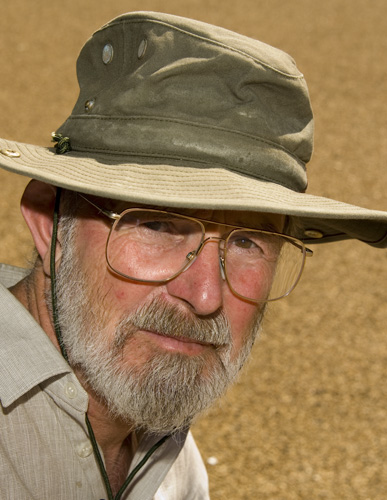
Career and artistic approach
Scoones built a reputation for patient observation and carefully composed sequences that emphasised behaviour and habitat as much as spectacle. Rather than staging encounters, he sought natural interactions between species, often spending long periods on location to capture subtle moments. His films ranged from intimate macro studies of small creatures to sweeping scenes of reefs and pelagic life, helping to communicate ecological relationships as well as visual wonder.
Techniques and equipment
Working across the era that moved from film to digital, Scoones adapted to evolving camera systems while retaining classical photographic principles: control of exposure, colour balance, depth of field and motion. He used specialised waterproof housings, external lighting to restore colour at depth, and an array of lenses for both wide-angle and macro work. His practice illustrates common technical challenges of underwater cinematography—managing backscatter, buoyancy while shooting, and metering in a constantly changing light environment.
- Specialised housings and ports to protect cameras and offer lens flexibility.
- Continuous and strobe lighting to counteract blue shift and recreate natural hues.
- Stabilisation techniques and careful buoyancy control to shoot smoothly near fragile habitats.
Influence and legacy
Scoones inspired many recreational divers to document their dives and encouraged photographers to approach the marine environment with patience and ethical awareness. His imagery has been cited by educators and conservationists as a tool for public engagement with ocean issues. He also influenced equipment design and shooting methods by demonstrating what could be achieved under challenging conditions. Members of the wider diving community remember him for both his films and his practical advice to newcomers.
Awards, later life and remembrance
Recognised by his peers and by mainstream awards, Scoones received honours during his career that reflect his impact on natural history filmmaking. He continued to dive and work on projects until late in life. Peter Scoones died on 20 April 2014 at age 76 and is survived by his wife, son and daughter. His body of work remains a reference point for underwater image-makers and an accessible record of marine life from the mid-20th century onward.
Related articles
Author
AlegsaOnline.com Peter Scoones — British Underwater Cameraman Leandro Alegsa
URL: https://en.alegsaonline.com/art/76144
Sources
- telegraph.co.uk : Peter Scoones - obituary