
Peter Stuyvesant: Last Director-General of New Netherland
Peter Stuyvesant (c. 1612–1672) was the last Dutch Director-General of New Netherland, an authoritative colonial governor whose policies, conflicts, and landholdings shaped early New York and left a lasting local legacy.
Overview
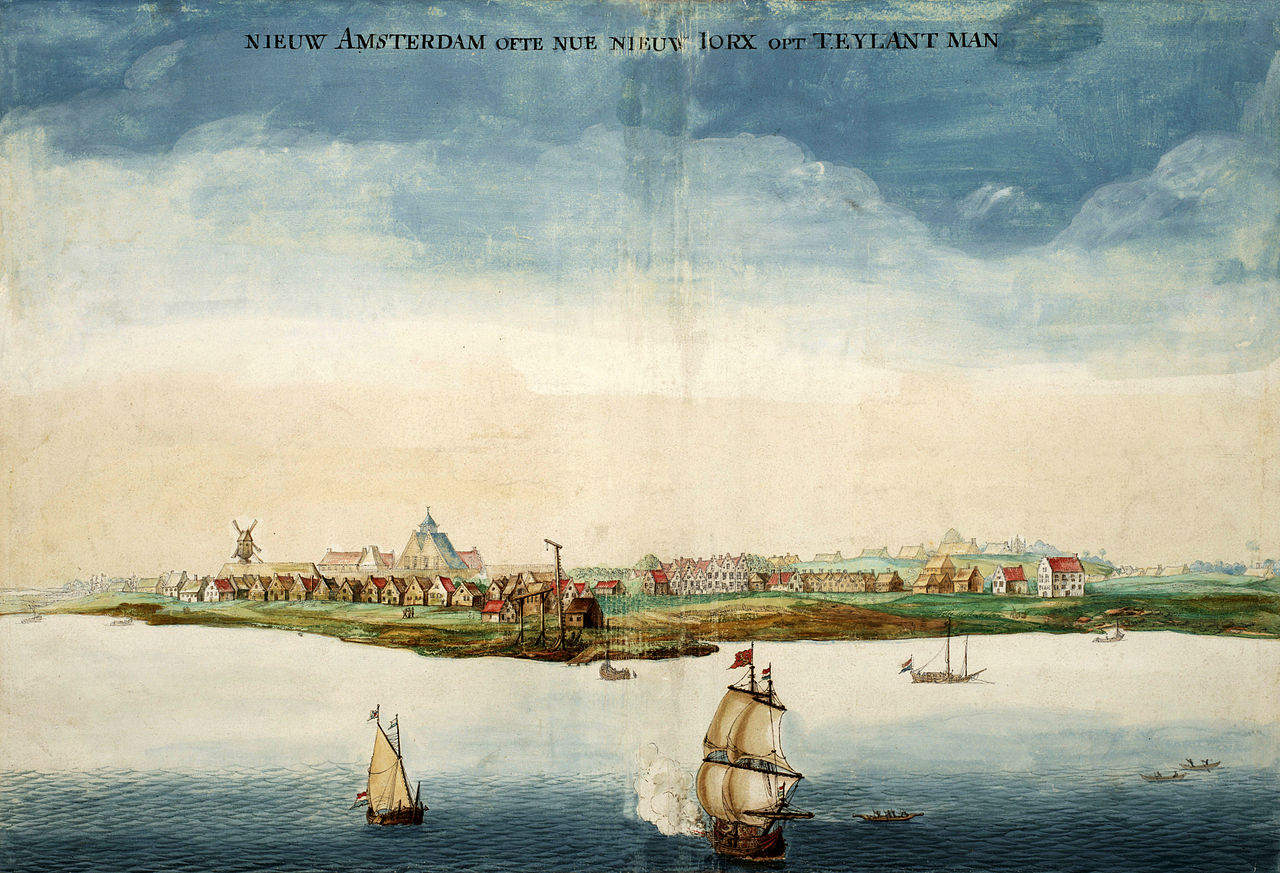
Peter Stuyvesant served as the final Dutch Director-General of the colony of New Netherland from 1647 until English forces took control in 1664. Born in Friesland around the early 17th century, he arrived in the North American colony already a veteran of overseas service and became its dominant administrator for nearly two decades. His tenure combined public works and strict rule, and his surrender marked a turning point in the region's transition to English governance.
Image gallery
10 Images




Background and rise to power
Stuyvesant came from a Dutch provincial background and had a military and merchant career before becoming the colony's chief executive. He bore a visible injury from earlier service—an amputated lower leg—which contributed to his formidable reputation. His appointment followed earlier Dutch directors and placed him at the center of disputes between company interests, local settlers, and competing European powers in North America.
Government, policies, and conflicts
As Director-General, Stuyvesant pursued a program of practical improvements: strengthening the colony's defenses, organizing its militia, and promoting roads, wharves and market regulation. He also enforced a strict, centralized style of governance that sometimes clashed with the diverse settler population. Notable episodes include his military action against the Swedish presence along the Delaware River and repeated disputes over religious toleration with groups such as Quakers and Jewish traders, where company directives and metropolitan politics often constrained his local preferences.
- Administrative focus: fortifications, port regulation, and civic order.
- Religious and legal stance: favored an orderly, church-centered social model but faced pressure to permit broader freedoms.
- Relations with natives and neighbors: negotiated, traded and at times fought with local Indigenous nations and rival colonies.
Surrender and later life
In 1664, an English fleet arrived and took control of New Amsterdam with relatively little bloodshed; Stuyvesant negotiated terms that protected property and legal rights for many colonists. After the transfer of power he returned to the Netherlands, where he spent his remaining years until his death in 1672. The transfer did not erase his imprint on the city’s institutions, landholdings, or historical memory.
Legacy and place names
Stuyvesant's name survives across the cityscape and local history: large tracts he once owned developed into neighborhoods, squares and streets that still bear variations of his name. Examples include areas in Brooklyn and Manhattan, and commemorations in place names that recall the Dutch period of New York’s development. For further reading on his life and era see primary and secondary sources indexed with local archival identifiers such as birth and baptism records, company papers at the Dutch West India Company (administrative records), and colonial correspondence collections about New Netherland and New Amsterdam. Modern historical summaries and neighborhood histories are also available through cultural institutions and municipal archives (city histories, local archives).
Stuyvesant remains a complex figure: a central builder and administrator who also embodied the tensions of colonial authority, religion, and commerce at a formative moment in the history of what would become New York City.
Related articles
Author
AlegsaOnline.com Peter Stuyvesant: Last Director-General of New Netherland Leandro Alegsa
URL: https://en.alegsaonline.com/art/76152