
Autoclave: Steam Sterilization and Industrial Pressure Vessels
An autoclave uses pressurized steam to raise temperatures above boiling for sterilization and material processing. This article covers principles, components, history, common uses, and safety considerations.
An autoclave is a sealed device that uses saturated steam under increased pressure to heat materials and liquids above their normal boiling point. By maintaining elevated temperature and pressure for a set time, an autoclave causes irreversible damage to cellular structures and biomolecules, producing effective microbiological inactivation of organisms and spores; this process is generally called sterilization.
Image gallery
9 Images





Principle and main parts
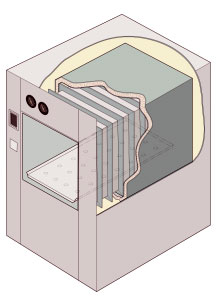
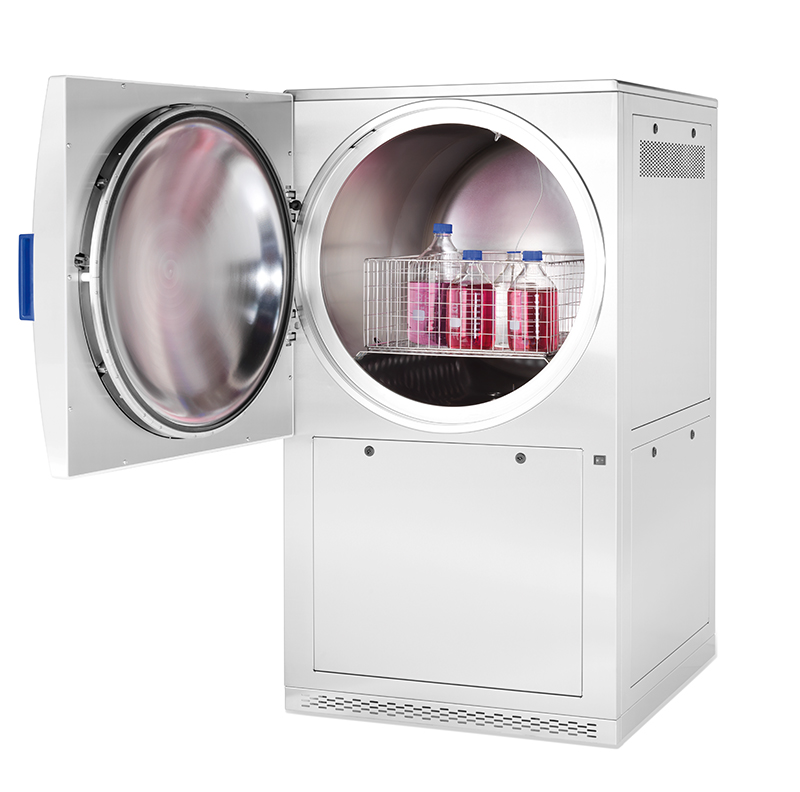
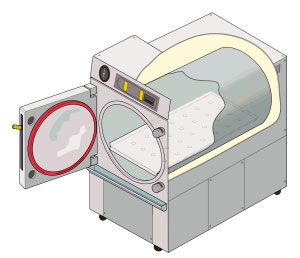
Autoclaves operate as pressure vessels: steam is introduced to displace air, raising internal temperature. Key components include a strong chamber with a locking door, steam generator or connection, pressure and temperature controls, safety valves, trays or racks, and seals or gaskets. Modern units add programmable cycles, recorders and safety interlocks to ensure reliable performance and repeatable results.
Typical cycles and performance
In many laboratory and clinical settings a common cycle uses steam at about 121 °C and a gauge pressure of roughly 15 psi for a prescribed time (often 15–20 minutes) depending on load and container type. Heavier or wrapped loads, liquids, and complex instruments may require longer exposure or different cycles. Validation with biological indicators or chemical integrators is standard practice to confirm sterilization.
Uses and applications
- Medical instruments, surgical suites and dental tools.
- Laboratory glassware, culture media and biohazard waste treatment.
- Industrial processing such as curing composites, vulcanizing rubber, and manufacturing autoclaved aerated concrete.
- Research settings where aseptic preparation of reagents and equipment is required.
Autoclaves vary in size from small benchtop units to large chambers that accept pallets. Their role in infection control and material processing makes them essential in healthcare, research, and manufacturing, but they demand rigorous maintenance and user training because of the risks associated with high pressure and scalding steam.
History and notable facts
The steam sterilizer attributed to Charles Chamberland in 1879 built on earlier work in heat disinfection and bacteriology. Since then, autoclave design and standards have evolved to include precise controls, documentation, and safety features. Alternatives such as dry heat, chemical sterilants, and filtration are used when steam is unsuitable; selection depends on material compatibility and the level of microbial control required.
Related articles
Author
AlegsaOnline.com Autoclave: Steam Sterilization and Industrial Pressure Vessels Leandro Alegsa
URL: https://en.alegsaonline.com/art/7595