
Axle: function, types, and applications in vehicles and machinery
An axle is a central shaft that supports rotating parts such as wheels or gears. This article explains types, parts, history, common uses, and distinctions like live vs dead axles and spindles.
An axle is a structural shaft that supports rotation and transmits torque between a vehicle or machine and its rotating components. Commonly found in carts, cars, trains, and industrial equipment, an axle may either remain stationary while the attached element rotates around it, or it may rotate together with the wheel or gear it supports. Basic axle design balances load capacity, durability, weight, and ease of maintenance.
Image gallery
5 Images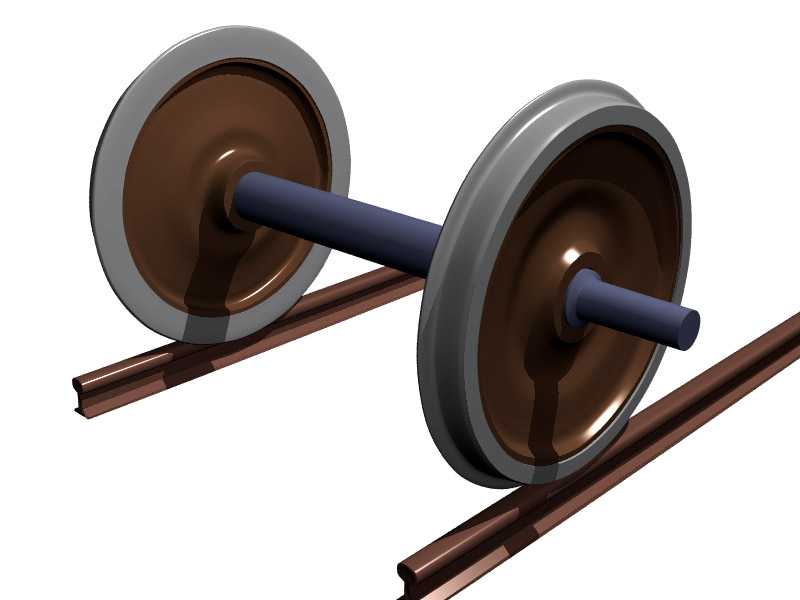



Basic types and components
Two principal arrangements are used:
- Fixed axle: the axle is held stationary and the wheel or gear turns on bearings or bushings fitted to the rotating part, as with some simple carts and wagons.
- Rotating axle (axle shaft or spindle): the wheel or gear is mounted solidly to the axle and the entire assembly turns on supports where bearings or bushings are placed; many automobiles and bicycles use variations of this approach.
Key parts include the shaft itself, bearing surfaces, fastenings, and sometimes brake or drive attachments. Bearings can be roller, ball, or plain bushings depending on load and speed requirements. For gears, the axle both positions the gear and transmits torque to other machine elements.
History and development
Axles are among the oldest mechanical components, appearing with early wheeled transport thousands of years ago. Over time materials progressed from wood to wrought iron and then to modern alloy steels and composites. Advances in bearing technology, heat treatment, and manufacturing tolerances steadily improved axle strength and reliability.
Common uses and examples
- Road vehicles: axles carry wheels and may transmit drive torque (drive axles) or simply support weight (dead axles).
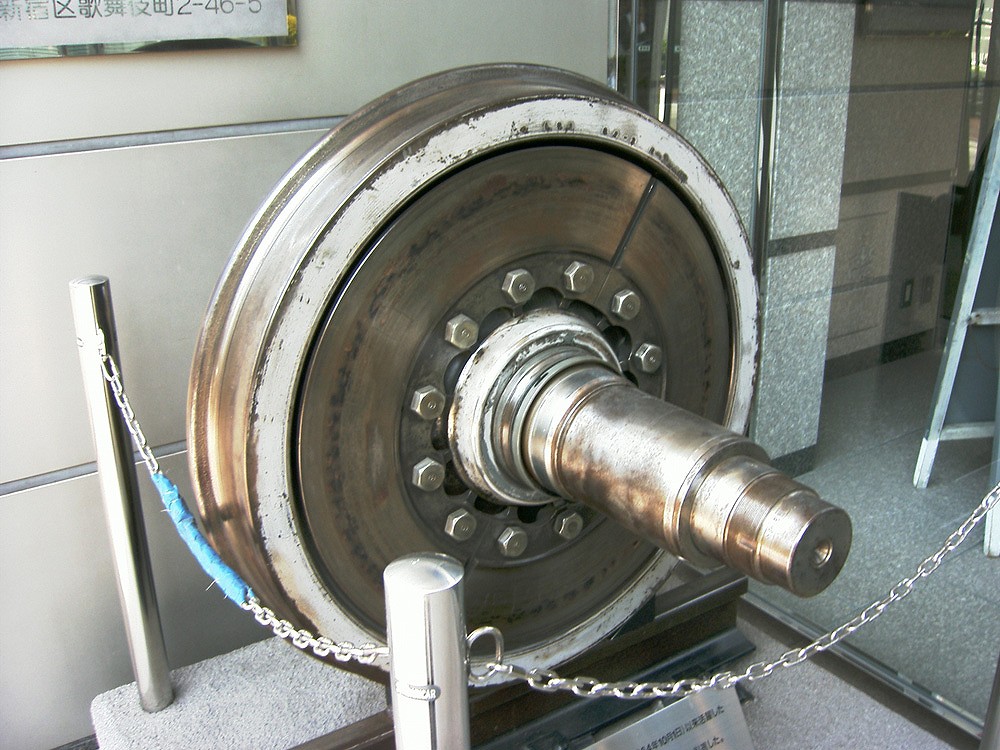
- Railway: heavy, robust axles connect wheels in wheelsets and bear significant loads at high reliability.
- Bicycles and hand tools: simpler spindles and axles provide compact, low-friction pivots (bicycle hubs often use spindles).
In machinery, axles also locate gears and pulleys; in gearing contexts a shaft is often called an axle when supporting a gear or wheel (gear, wheel).
Notable distinctions and maintenance
Terminology varies: a "spindle" sometimes denotes a shorter rotating shaft or axle stub (spindle), while "axle shaft" implies a load-bearing rotating member. Bearings (bearing) and bushings (bushing) play different roles in supporting rotation and reducing friction. Regular inspection for wear, lubrication, and proper fastening is essential because axle failure can be catastrophic.
For more technical specifications and standards consult vehicle or machinery manuals and industrial references. General resources and component suppliers can be found via industry links such as wheel manufacturers and bearing specialists.
Related articles
Author
AlegsaOnline.com Axle: function, types, and applications in vehicles and machinery Leandro Alegsa
URL: https://en.alegsaonline.com/art/7840