
Perineum: anatomy, function, development and clinical importance
The perineum is the region between the genitalia and anus. This article explains its boundaries, muscles, development at puberty, roles in continence and sexual function, and relevant clinical issues.
Overview
The perineum is the surface region of the pelvic floor located between the external genitalia and the anus. In females it lies between the lower end of the vagina and the anus; in males it extends from the scrotum to the anus. The term also denotes the deeper structures immediately beneath that skin, including muscles, connective tissue and small glands. Many general-audience resources use the word perineum when discussing hygiene, childbirth and pelvic health.
Image gallery
6 Images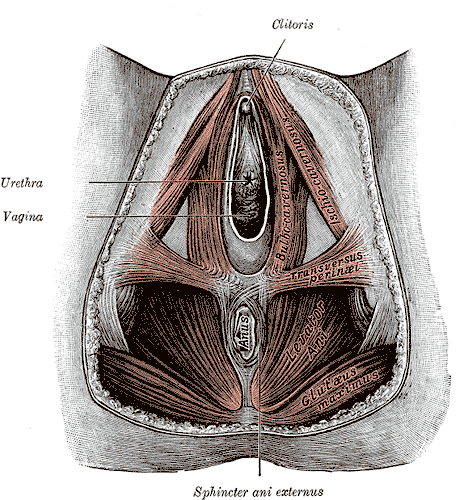


Anatomy and boundaries
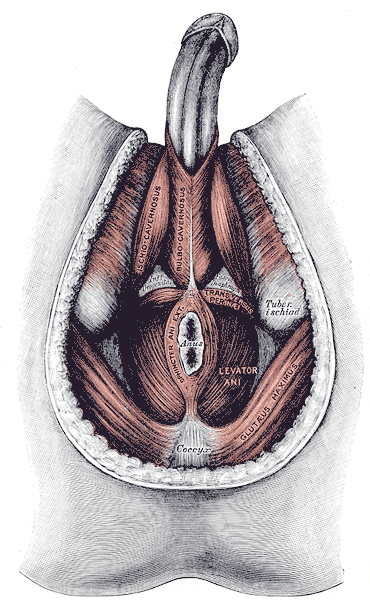
Surface boundaries are simple: anteriorly the genitalia and posteriorly the anal verge. Deeper anatomy centers on the perineal body — a fibromuscular node that anchors several muscles of the pelvic floor. Key muscles include:
- Bulbospongiosus and ischiocavernosus, which support erection and genital sensation.
- Superficial and deep transverse perineal muscles, which stabilize the perineal body.
- External anal sphincter, important for continence.
Function
The perineum contributes to multiple functions: voluntary control of defecation and urination, support for the pelvic organs, and roles in sexual response and penile or clitoral erection. Innervation and blood supply generally come from branches of the pudendal nerve and internal pudendal vessels, which supply sensation and motor control.
Development, hair, and puberty
As secondary sexual characteristics develop at puberty, pubic and perineal hair appears around and on the perineum. The visible length of the central perineal area is often small — commonly described as about one inch — although individual anatomy varies. Hair provides some protection and is part of normal maturation. See general puberty information here.
Clinical significance and examples
The perineum is clinically important in obstetrics and surgery. During vaginal birth the perineal body can stretch or tear; some deliveries include an episiotomy to enlarge the outlet. Perineal tears are classified by degree and repaired to restore function. Other issues include infections, abscesses, neuropathy after trauma, and pain syndromes. Hygiene and gentle care are commonly advised for healing and comfort; see sexual health and pelvic care resources and anatomy references here.
Notable distinctions and facts
- The perineum differs in shape and relative size between individuals and sexes, reflecting pelvic anatomy and childbirth history.
- Structures named for the area include the perineal body, perineal membrane and superficial perineal pouch; these terms help clinicians describe injuries and surgical approaches.
- For illustrations, clinical guidelines and patient information consult reputable anatomy and health sources here and here.
Author
AlegsaOnline.com Perineum: anatomy, function, development and clinical importance Leandro Alegsa
URL: https://en.alegsaonline.com/art/75813