
Penjing — the Chinese art of miniature landscape and container trees
Penjing is the Chinese tradition of creating miniature trees and landscapes in containers. It emphasizes naturalism, composition and expressive pruning, and has influenced related arts such as bonsai.
Overview
Penjing (盆景, literally "tray scenery") is the Chinese art of cultivating small trees, shrubs and landscape scenes in containers. Practitioners shape living material and arrange soil, rock and sometimes water to suggest larger natural scenes. As a horticultural and aesthetic discipline, penjing blends botanical skill with artistic composition and has been practiced in China for many centuries. Its influence can be seen in related traditions beyond China, and it is often presented today in gardens, exhibitions and private collections.
Image gallery
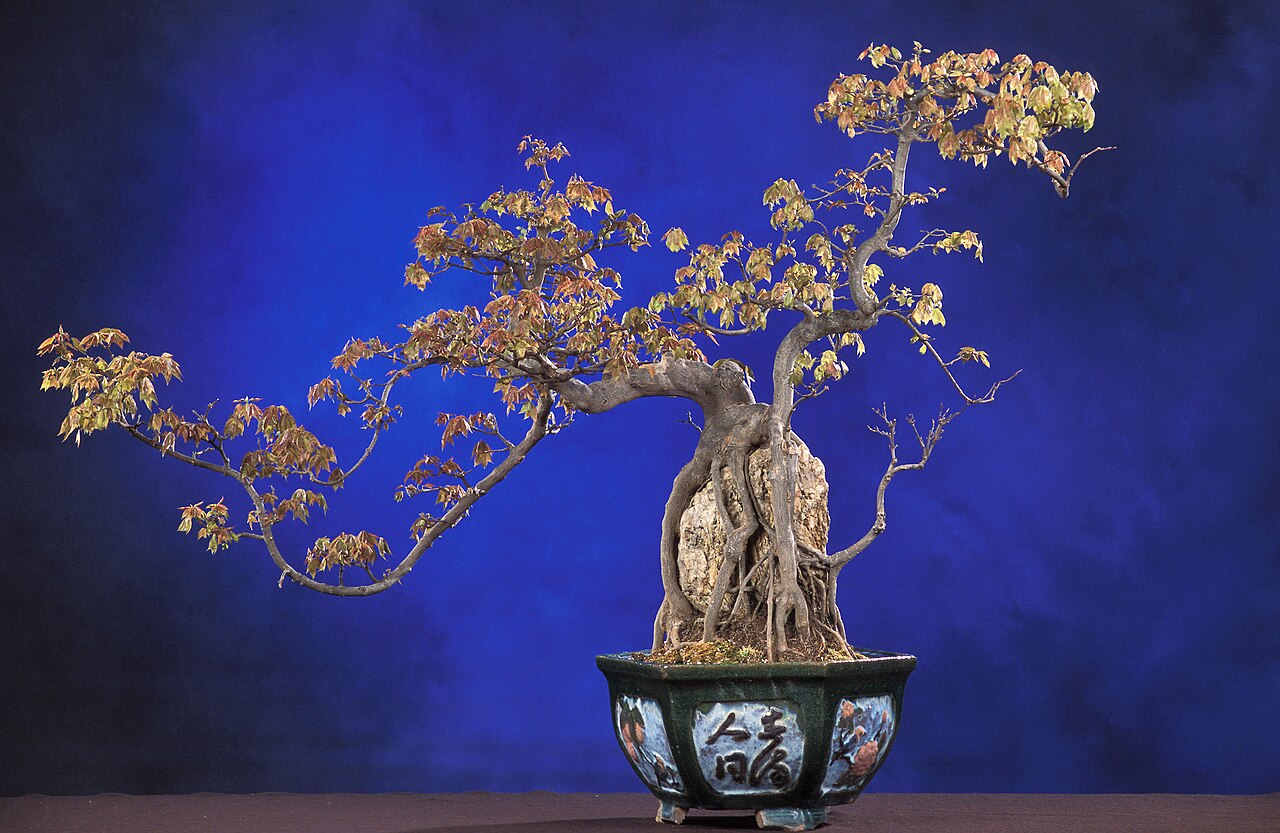
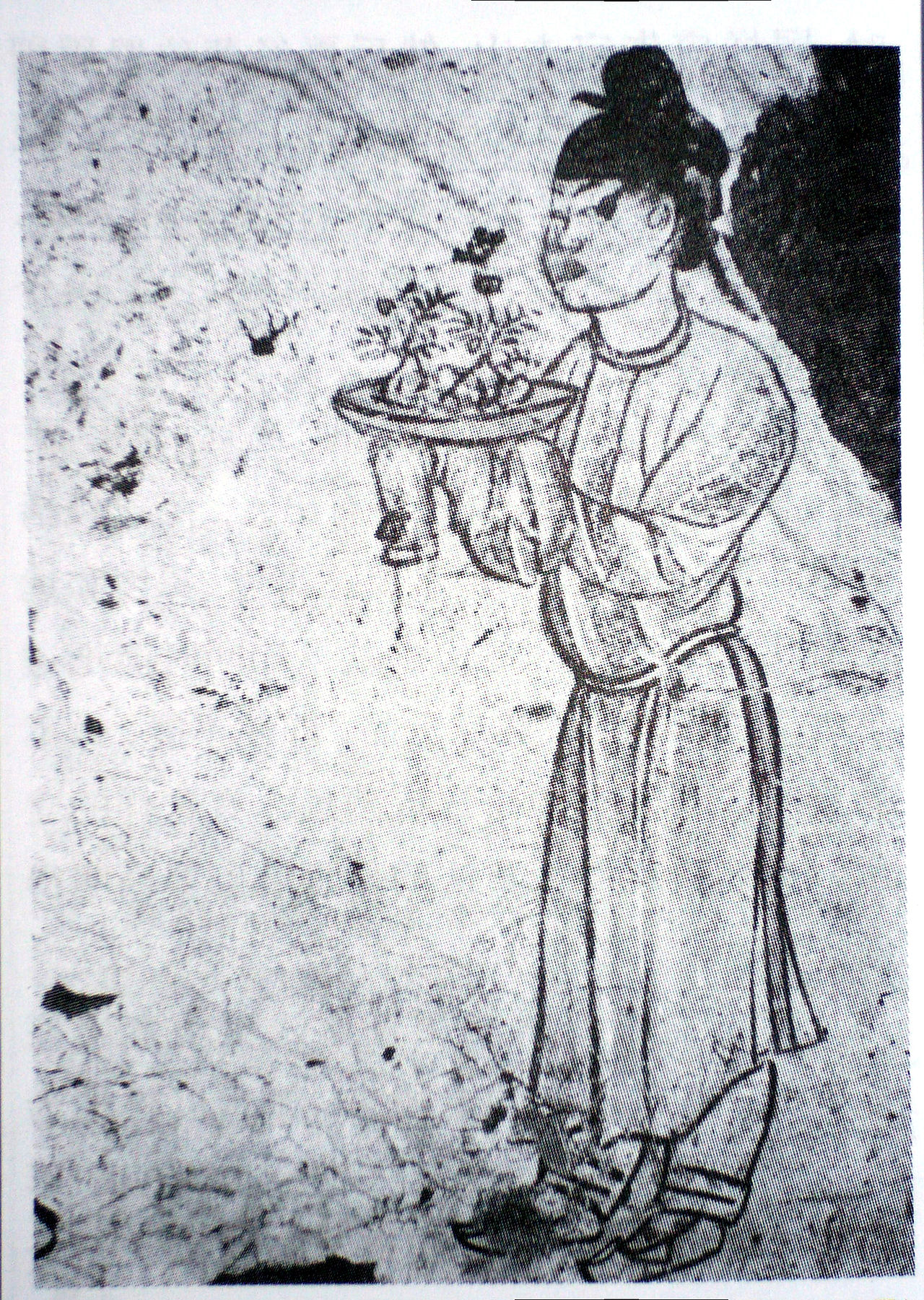
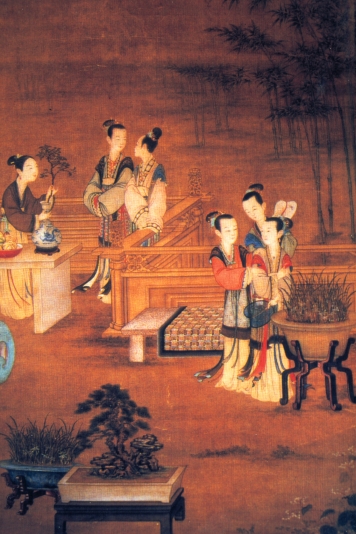
9 Images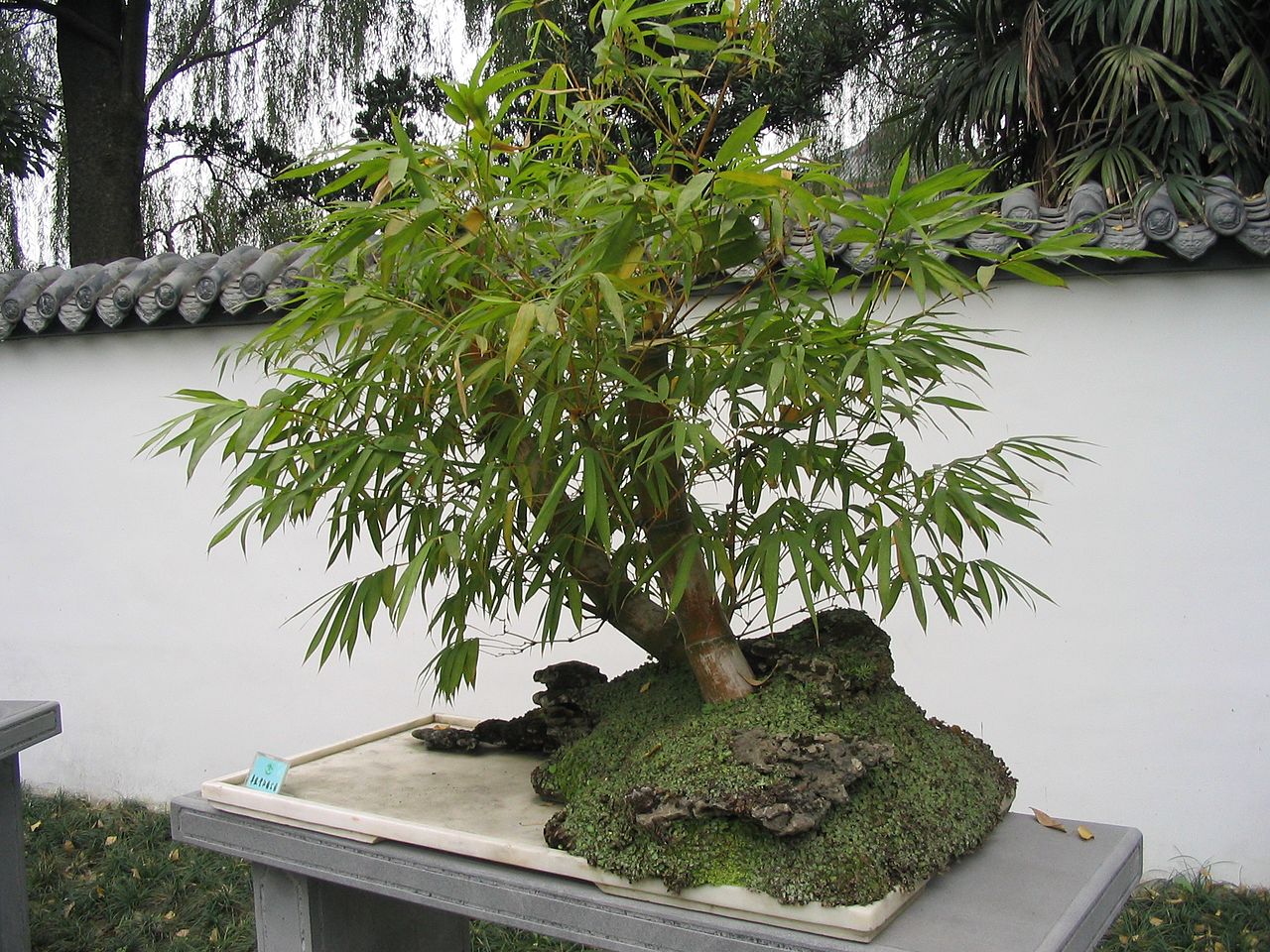




Characteristics and materials
Typical penjing compositions include a miniature tree or group of trees, sculpted soil or rockwork, moss and a shallow pot. Artists use pruning, selective wiring, root restriction and careful repotting to keep subjects small while evoking age, scale and movement. Tools and supplies commonly associated with the craft include pruning shears, concave cutters, wiring, specialized soils and shallow containers chosen to complement the scene. For the horticultural context see Chinese horticultural art and for container techniques see container planting.
Styles and composition
Penjing compositions vary widely. Some emphasize a single dramatic specimen; others create forests or complex miniature landscapes that include rocks, figurative elements and water features. Artists balance proportion, perspective and negative space so that a small display reads like an expansive scene. Common approaches are focused on naturalism and narrative: a wind-swept tree, a cliff-face, or a riverside grove are all typical themes.
History and cultural context
The practice evolved alongside Chinese gardening, painting and philosophy, drawing on an interest in expressing the essence of nature in reduced form. Over time it became associated with literati culture, contemplative display and botanical study. Penjing has informed and exchanged ideas with related arts in other countries; readers can compare discussions of historical development at ancient origins and cross-cultural influences at bonsai comparison.
Uses, appreciation and practice
People cultivate penjing for aesthetic enjoyment, meditation, teaching horticulture and public exhibition. It appears in private scholar gardens, museums and competitive shows. Exhibitions often highlight the artist's ability to convey age and atmosphere. Practical care involves seasonal pruning, attention to watering and light, and occasional root work to maintain vigor in a constrained container.
Distinctions and notable facts
- Penjing often emphasizes expressive, sometimes dramatic compositions that suggest an entire landscape in miniature.
- It is frequently contrasted with Japanese bonsai, which many observers describe as leaning toward refined minimalism; both traditions, however, share techniques and often influence one another. See bonsai comparison for more.
- Learning penjing mixes horticulture with artistic study: composition, symbolism and proportion are as important as plant care. For technique references see pruning techniques and general practice at aesthetic practice.
For introductory guides, workshops and examples of contemporary practice consult resources and organizations that document living traditions and exhibitions. Further reading and community resources can be found through general horticultural networks and specialty groups that preserve and teach this enduring art form.
Related articles
Author
AlegsaOnline.com Penjing — the Chinese art of miniature landscape and container trees Leandro Alegsa
URL: https://en.alegsaonline.com/art/75570
Sources
- lsa.umich.edu : "History"