
Peist: former municipality in Graubünden, Switzerland
Peist was a small mountain municipality in the Plessur district of Graubünden, Switzerland. It merged with neighboring villages into the municipality of Arosa on 1 January 2013.
Peist was a small rural municipality in the canton of Graubünden in eastern Switzerland. Located in the Plessur district, it occupied a hillside position above the Schanfigg valley and was traditionally oriented toward alpine farming, forestry and local services. The settlement and its surrounding landscapes reflected the region's mountain character and seasonal economy.
Image gallery
4 Images
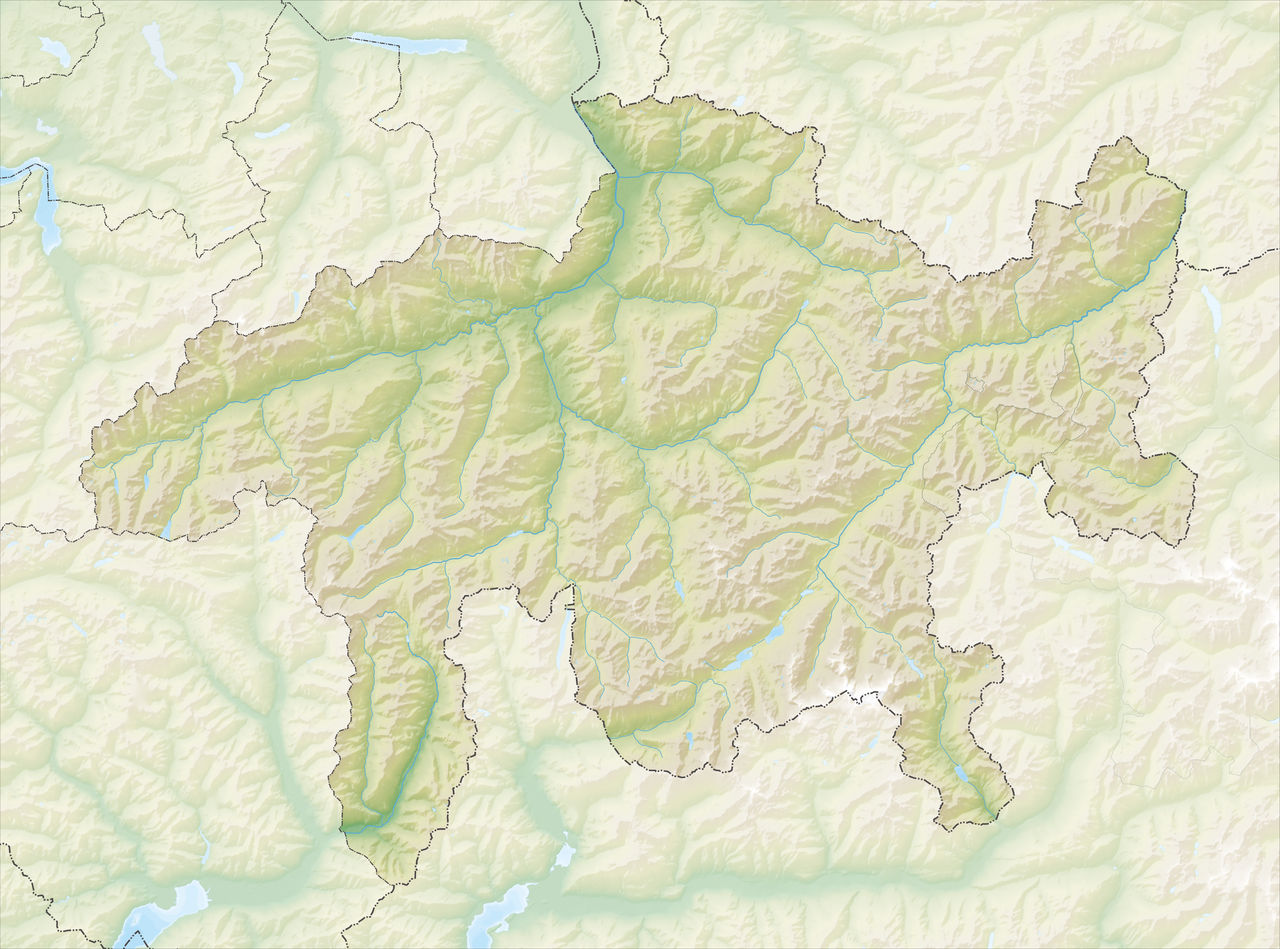


Location and characteristics
Peist lay within the administrative area often described as the district of Plessur and the wider canton context (canton Graubünden) in Switzerland. The village itself appears in municipal records as Peist. Its built environment combined traditional alpine houses with more recent structures, and the area served as a local hub for surrounding hamlets.
History and administrative change
Like many small Swiss municipalities, Peist experienced administrative consolidation in the early 21st century. On 1 January 2013 it was incorporated into the larger municipality of Arosa. The reorganisation grouped Peist with several nearby communities to streamline governance and pool resources.
Merged communities
- Calfreisen
- Castiel
- Langwies
- Lüen
- Molinis
- St. Peter-Pagig
- Peist (former)
The merger aimed to improve public services, planning and tourism coordination by creating a single municipal authority centered on Arosa.
Local life and significance
Before the merger Peist's economy relied on agriculture, summer grazing and small-scale forestry, supplemented by commuters working in larger nearby towns and by seasonal tourism in the wider Schanfigg–Arosa area. Its situation provided access to mountain trails and winter sport facilities nearby, while preserving the cultural character of a Graubünden village.
Today the name Peist persists in local usage and historical records, and the former municipality's heritage contributes to the identity of the enlarged Arosa municipality. For administrative details and contemporary services residents now refer to the Arosa municipal offices and cantonal institutions in Graubünden.
Related articles
Author
AlegsaOnline.com Peist: former municipality in Graubünden, Switzerland Leandro Alegsa
URL: https://en.alegsaonline.com/art/75471