
Arosa: Swiss Alpine town and resort in Graubünden
Arosa is a mountain municipality and year‑round resort in the Plessur district of Graubünden, Switzerland, known for alpine recreation, scenic rail access, a bear sanctuary and a 2013 municipal merger.
Overview
Arosa is both a municipality and a year‑round mountain resort in the Plessur district of the canton of Graubünden, Switzerland. The settlement sits on a high alpine plateau at roughly 1,800 metres and functions as a centre for winter sports, summer hiking and nature‑based tourism. It combines traditional alpine buildings, visitor facilities and a landscape of peaks, pastures and small mountain lakes.
Image gallery
10 Images




Geography and climate
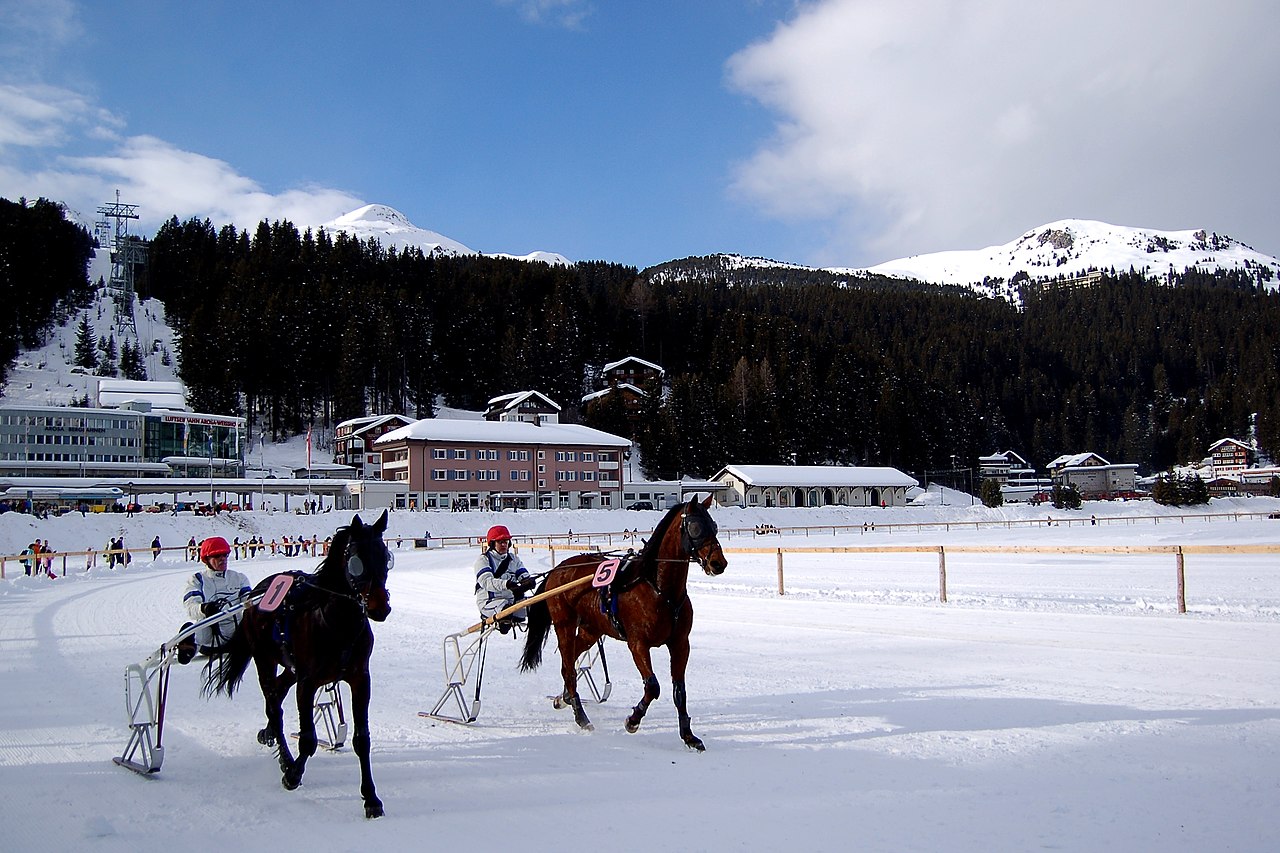
Arosa occupies a sunny bowl above the Schanfigg valley, surrounded by alpine slopes and pastures. The local climate is typical of high‑altitude resorts: cool, pleasant summers and cold winters with reliable snowfall. The alpine environment supports a network of marked trails, high‑alpine pastures and quiet mountain lakes that are popular for walking and short excursions in the warmer months.
Access and transport
The village is linked to the regional centre by a scenic mountain railway that is well known with visitors for its engineering and views. Road access and regular bus services provide additional connections to neighbouring towns. Within the resort, cable cars, chairlifts and gondolas connect the village to higher-altitude viewpoints and ski terrain.
History and administration
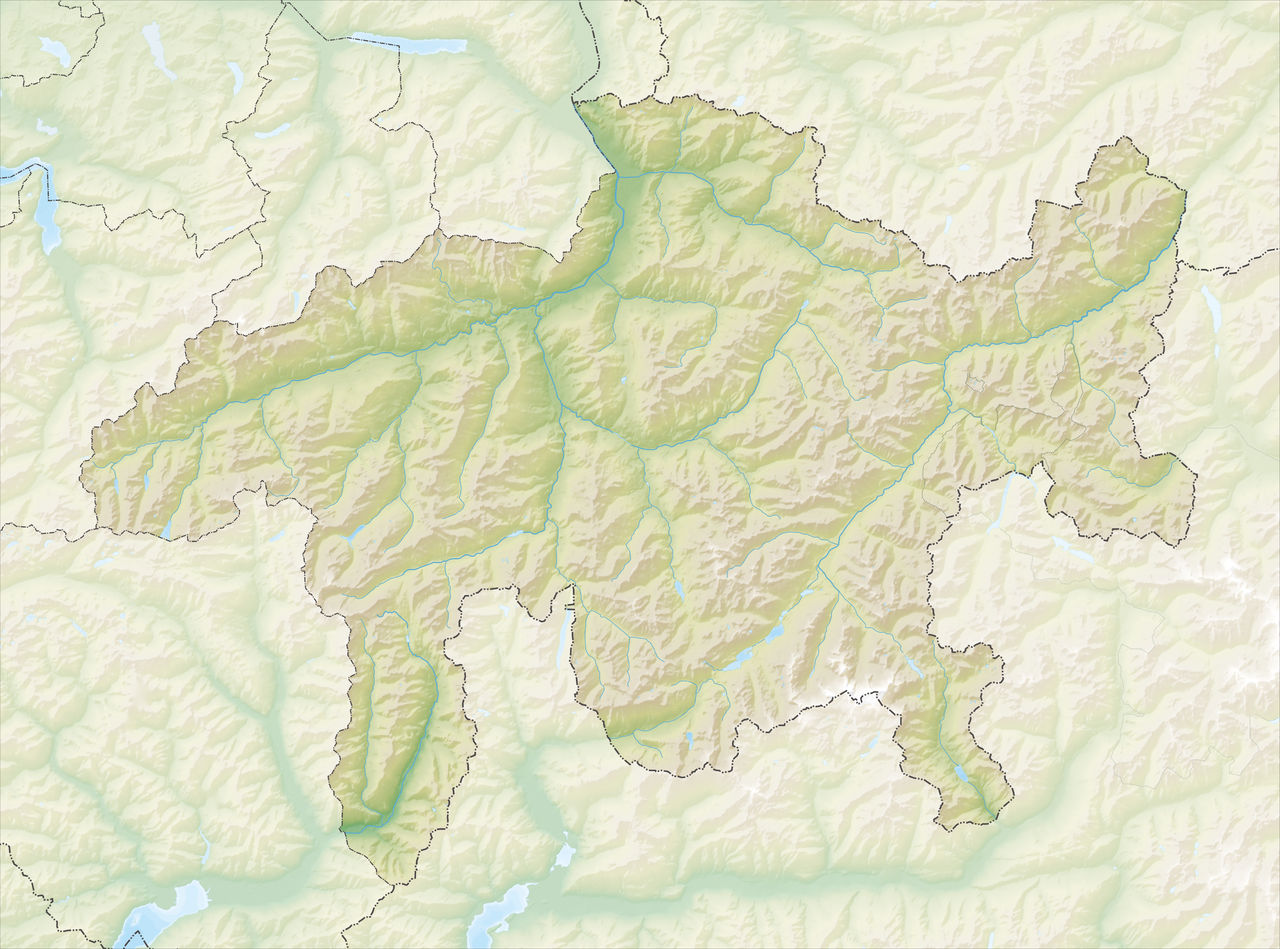
Arosa developed as a health and holiday destination from the late 19th century, expanding with hotels and tourist infrastructure during the 20th century. On 1 January 2013 the former municipalities of Calfreisen, Castiel, Langwies, Lüen, Molinis, Peist and St. Peter‑Pagig were merged into the municipality of Arosa. The merger expanded the municipal boundary and brought several small, neighbouring mountain villages under a single local administration for planning and services.
Sports, recreation and attractions
Arosa is used year‑round for outdoor recreation. In winter the area caters to alpine skiers, snowboarders and cross‑country skiers with lifts and prepared trails. Summer activities include hiking, mountain biking and climbing; local operators offer guiding and equipment hire. A notable attraction is a brown bear rescue and education project, which combines animal care with interpretive displays for visitors and supports local wildlife awareness.
Economy and services
The local economy is largely tourism‑driven: hotels, guesthouses, restaurants, lift companies and guiding services form the backbone of employment. Seasonal events, family facilities and conference services help broaden the visitor profile beyond purely sporting tourism. Public services focus on maintaining transport links, mountain safety and environmental protection.
Practical notes
- Transport: regular rail and bus connections link Arosa to nearby urban centres; internal lifts serve the ski and hiking areas.
- Seasons: winter is busiest for snow sports; summer attracts walkers and nature visitors.
- Facilities: a range of accommodation, rental shops and mountain‑sport services are available; check seasonal opening times for lifts and attractions.
Related articles
Author
AlegsaOnline.com Arosa: Swiss Alpine town and resort in Graubünden Leandro Alegsa
URL: https://en.alegsaonline.com/art/5820
Sources
- bfs.admin.ch : "Arealstatistik Standard - Gemeinden nach 4 Hauptbereichen"
- bfs.admin.ch : "Ständige Wohnbevölkerung nach Staatsangehörigkeitskategorie Geschlecht und Gemeinde; Provisorische Jahresergebnisse; 2018"