
Pennyroyal (Mentha pulegium): description, history, uses and safety
Pennyroyal (Mentha pulegium) is a mint-family herb used historically as a culinary flavor, insect repellent and folk remedy. Its essential oil contains pulegone and can be toxic; internal use is not recommended.
Pennyroyal is a low, aromatic perennial herb in the mint family (Lamiaceae), most often associated with the European species Mentha pulegium. It has a strong minty aroma, small opposite leaves and clusters of purple to pale flowers that appear in compact whorls. The plant favors damp or seasonally wet habitats such as meadows, ditches and stream margins and often forms mats or loose clumps a short distance above the ground. Stems are characteristically square, as in many mints, and leaves are fragrant when crushed.
Image gallery
6 Images



Characteristics
Pennyroyal typically remains low-growing and spreads by short rhizomes or stolons in favourable sites. Flowers attract a range of small pollinators. The plant yields an essential oil that is rich in the monoterpene pulegone, which largely accounts for pennyroyal's strong scent and its biological activity.
History and traditional uses
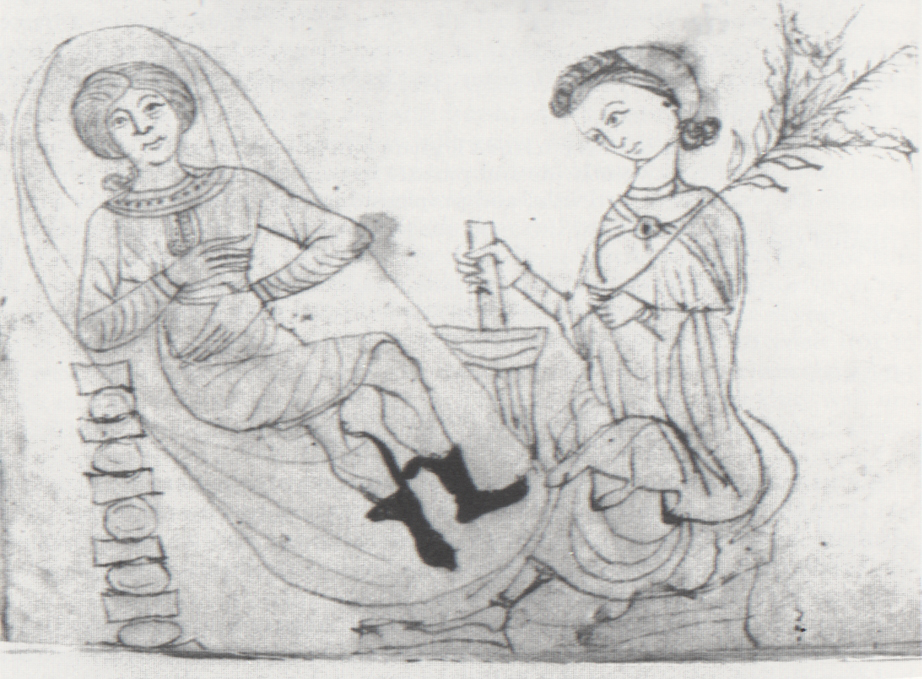
For centuries pennyroyal has been used in Europe and elsewhere as a strewing herb to freshen rooms and to help deter fleas and other insects. It appears in traditional herbal medicine as an aromatic tea or topical application for a variety of minor ailments. In small amounts it was sometimes used as a culinary herb in earlier domestic traditions, but this use declined as awareness of its potential toxicity increased.
Modern uses and cultivation
Today pennyroyal is grown occasionally as a groundcover or ornamental in suitable moist sites and is of interest in studies of botanical insect repellents. Commercial and hobby cultivation follows general mint care: damp, partly sunny conditions and regular maintenance to control spread. Because of safety concerns, commercial use of concentrated pennyroyal oil in foods or medicines is restricted in many jurisdictions.
Chemistry, safety and toxicity
The primary bioactive constituent of pennyroyal oil is pulegone. Metabolism of pulegone in the liver can produce reactive compounds that may cause hepatic and neurological injury. Documented cases of poisoning, sometimes severe, have followed ingestion of concentrated oil or large amounts of the herb. For these reasons medical and regulatory authorities advise against internal use of pennyroyal oil and caution about large internal doses of the dried herb. Topical or environmental uses also require dilution and care to avoid exposure to vulnerable people and animals.
Similar species and identification
- European pennyroyal: Mentha pulegium, the species most often called pennyroyal in Europe.
- American pennyroyal: Hedeoma pulegioides, a distinct North American plant with a similar aroma and traditional uses; it also contains pulegone or related constituents and is treated with similar caution.
In summary, pennyroyal has a long cultural history as a fragrant mint with insect‑repellent associations and limited culinary and medicinal uses. However, its chemistry includes compounds that can be hazardous, so traditional uses must be balanced against well established safety concerns and modern guidance discourages internal use of concentrated preparations.
Related articles
Author
AlegsaOnline.com Pennyroyal (Mentha pulegium): description, history, uses and safety Leandro Alegsa
URL: https://en.alegsaonline.com/art/75610