
National Public Radio (NPR): overview, history, programming and impact
Concise encyclopedia entry on National Public Radio (NPR): its purpose, origins in 1970, program distribution to U.S. public radio stations, funding and cultural influence.
National Public Radio (NPR) is an independent, nonprofit media organization that produces and distributes news, cultural and educational programming to public radio stations across the United States. It serves as a national syndicator and content producer, working with locally owned public stations to reach audiences through traditional broadcast, digital streams and podcasts. For official information see NPR.
Image gallery
3 Images

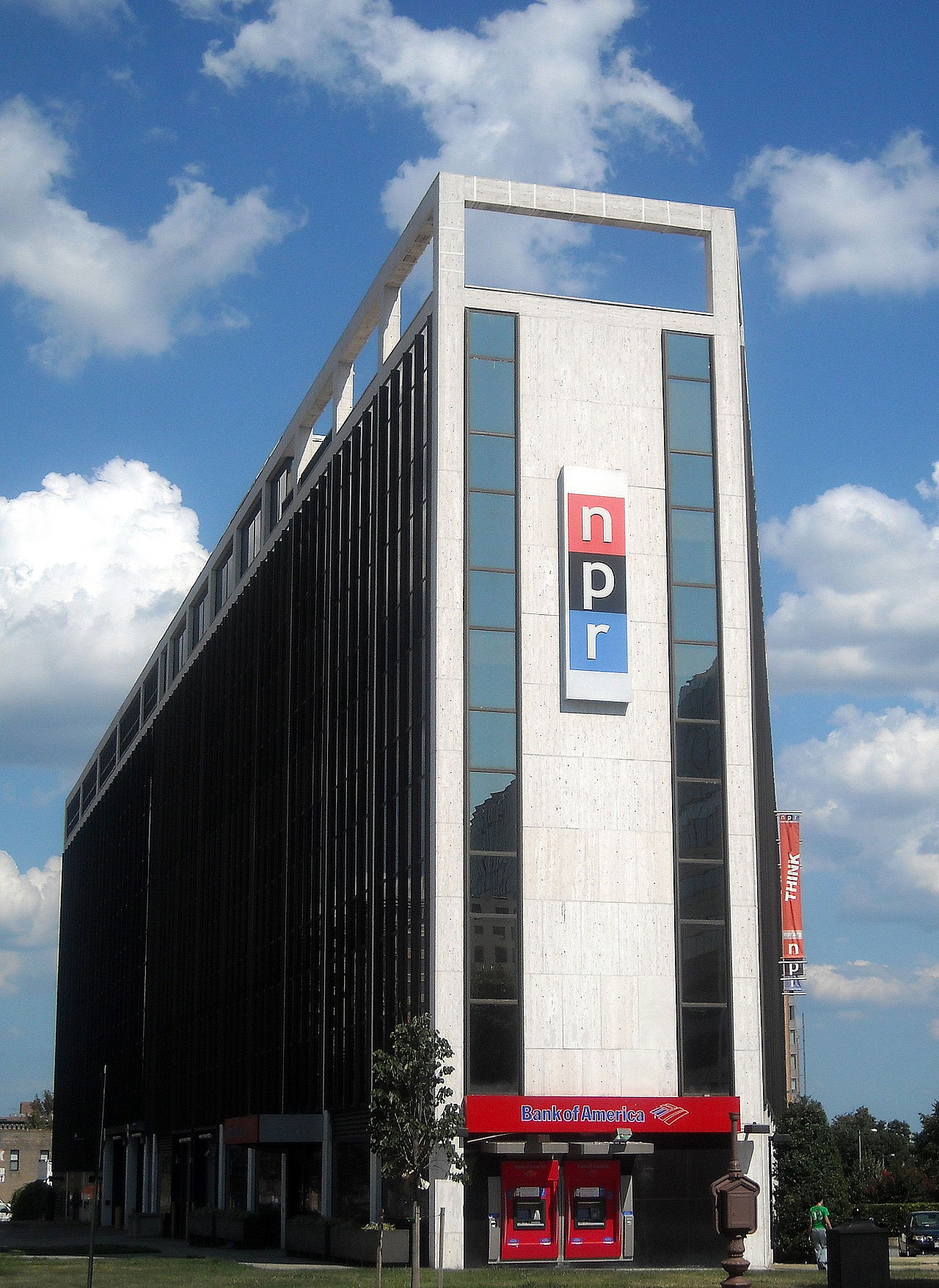
Origins and development
NPR was created after the Public Broadcasting Act of 1967 established federal support for noncommercial broadcasting; the organization began operations in 1970. Its formation reflected a broader effort to create media that would serve the public interest, distinct from commercial broadcasting. The act was signed during the administration of Lyndon B. Johnson, and the initiative grew out of earlier public broadcasting efforts and educational radio experiments. Historical background and legislative context can be explored via public records and scholarly accounts.
Programming and distribution
NPR produces nationally distributed programs—both long-form shows and regular news updates—and licenses them to member stations around the country. Flagship programs that exemplify its range include:
- Morning Edition and All Things Considered (news magazines)
- Short hourly newscasts: a five-minute newscast commonly airs at the top of the hour, and shorter updates may appear at the bottom of the hour during some programs
- Cultural and feature pieces, interviews, and investigative reporting
Most public radio stations carry at least some NPR programming, and stations often mix national NPR content with locally produced shows and music programming. Information on member stations and partnerships is available through station directories and organizational pages about member stations.
Funding, governance and role
NPR’s funding model combines station fees, membership dues, corporate underwriting, listener contributions, grants from entities such as the Corporation for Public Broadcasting, and revenue from services. It is governed by a board and operates as a noncommercial entity that supplies content to independently owned public stations. This distributed model means editorial production and local presentation are distinct yet interconnected.
NPR’s editorial work spans daily newscasting, long-form reporting, cultural programming and digital journalism; it has been cited in public opinion research as a trusted news source at various times in trust surveys. For perspectives on its cultural programming see arts and culture resources. For historical reference and presidential context see material linked to national archives.
While not the only public media organization in the U.S., NPR is one of the most visible national producers and remains central to the public radio ecosystem: supplying content, standards and distribution that local stations adapt to serve their communities.
Questions and answers
Q: What is National Public Radio?
A: National Public Radio (NPR) is a free media organization that produces and spreads news and cultural programming.
Q: When did NPR begin?
A: NPR began in the year 1970.
Q: What event led to the creation of NPR?
A: NPR was created after the Public Broadcasting Act was passed in 1967 by President Lyndon B. Johnson.
Q: What programs do public radio stations broadcast?
A: Most public radio stations broadcast some NPR programs.
Q: How popular is NPR?
A: In the year 2005, NPR was voted the most trusted news source in the United States.
Q: What is the length of NPR's newscast?
A: NPR makes a 5 minute newscast that plays at the top of every hour.
Q: Do NPR programs have shorter newscasts?
A: Yes, during some shows, NPR has a shorter newscast that plays at the bottom of some hours.
Related articles
Author
AlegsaOnline.com National Public Radio (NPR): overview, history, programming and impact Leandro Alegsa
URL: https://en.alegsaonline.com/art/68681
Sources
- npr.org : "How NPR Works: NPR's Mission Statement"
- broadcastingcable.com : "Survey Says: Noncom News Most Trusted"
- npr.org : "Gettysburg Eyewitness - Lost and Found Sound: The Boy Who Heard Lincoln"
- npr.org : "21 Minute audio recording of William R. Rathvon's audio recollections of Lincoln's Gettysburg Address recorded in 1938"
- npr.org : "6 min. version. SMIL file format"