
Peyton Place (TV series)
American prime-time serialized drama that ran on ABC from 1964–1969, adapting Grace Metalious's novel into a long-running half-hour soap that launched many careers and stirred public controversy.
Peyton Place was a landmark American prime-time soap opera that aired on ABC from September 15, 1964, to June 2, 1969. Adapted from Grace Metalious's 1956 novel of the same name, the television series expanded the book's focus on small-town secrets into a continuing, serialized format. Its run comprised 514 half-hour episodes; the program began in black-and-white and moved into color broadcasts in the mid-1960s.
Image gallery
6 Images
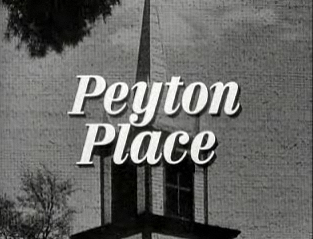


Format and narrative style
Unlike most dramatic series of its era, Peyton Place presented an ongoing storyline that unfolded across episodes and seasons rather than self-contained weekly plots. The writing emphasized intertwined personal dramas — romantic entanglements, family conflicts, social hypocrisies and moral dilemmas — told through a large ensemble cast. This continuous, cliffhanger-driven approach helped establish many conventions later associated with prime-time soap operas.
Production, adaptation and controversy
The television series was a direct adaptation of a controversial best-selling novel, but the show softened and reshaped many of the book's more explicit themes to fit mid-1960s broadcast standards. Producers expanded the scope of the story, creating new subplots and characters to sustain a long-running serial. Because it aired in early evening hours and tackled subjects such as illicit affairs, class tensions and scandal, Peyton Place provoked debate about television content and helped prompt conversations about what was acceptable in mainstream programming.
Cast, early careers and recognition
Peyton Place featured many performers who were already established as well as several who used the show as a springboard to greater fame. Actress Dorothy Malone was among the principal stars. The series provided early steady work for actors who later became well known, including Mia Farrow, Ryan O'Neal, David Canary, Mariette Hartley, Tim O'Connor and Lana Wood. Guest performers and recurring players included notable names; among them, Gena Rowlands received a Primetime Emmy Award recognition for her work on the program. The ensemble nature of the show meant that a rotating group of performers could develop substantial, multi-episode arcs.
Legacy and cultural importance
Peyton Place is often cited as one of the first successful prime-time soap operas and an influential precursor to later serialized dramas. Its commercial success demonstrated that audiences would follow long-running character arcs on a nightly or weekly basis, encouraging networks and producers to invest in serialized storytelling. The show's combination of melodrama, social commentary and open-ended plotting left a clear imprint on television drama in the decades that followed.
Notable facts
- The series ran for 514 episodes between 1964 and 1969 and switched from black-and-white to color broadcast during its run.
- It adapted and expanded material from Grace Metalious's novel, while altering content to meet broadcast standards.
- Several future stars appeared in the show early in their careers and later achieved wider fame in film and television.
Further reading and links
- Peyton Place (series overview)
- ABC network information
- Academy Awards context
- Dorothy Malone
- Grace Metalious and the novel
- Leslie Nielsen
- Gena Rowlands
- Mia Farrow
- Ryan O'Neal
- David Canary
- Mariette Hartley
- Tim O'Connor
- Lana Wood
The show's influence endures in discussions of television history and genre development: Peyton Place demonstrated that serialized adult drama could attract large audiences at prime time, and it helped open the door for more ambitious, ongoing storytelling on network television.
Related articles
Author
AlegsaOnline.com Peyton Place (TV series) Leandro Alegsa
URL: https://en.alegsaonline.com/art/76291