
Patricia M. Derian (1929–2016) — U.S. civil and human rights official
American civil and human rights activist and policymaker who led human rights work in the Carter administration and advocated for rights-based diplomacy and accountability abroad.
Overview
Patricia Murphy "Patt" Derian (August 12, 1929 – May 20, 2016) was an American civil and human rights advocate who played a prominent role in shaping U.S. human-rights policy in the late 1970s. She moved from domestic activism to a senior government post and helped make human-rights concerns part of official diplomatic practice, arguing that moral and legal standards should guide foreign relations as well as strategic interests.
Image gallery
1 Image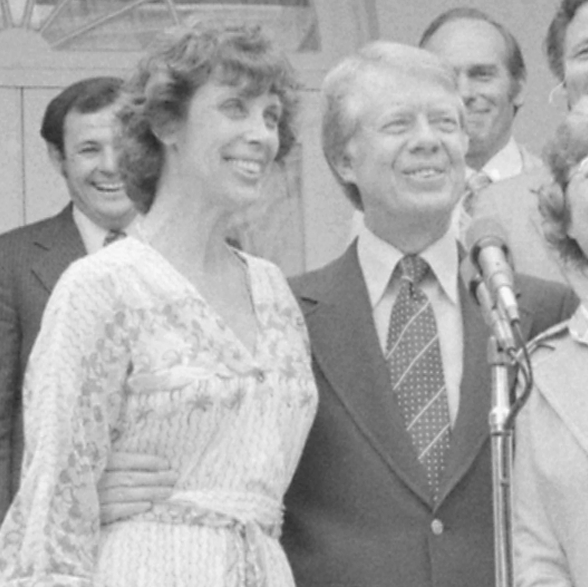
Early life and activism
Born in New York City and raised in Danville, Virginia, Derian became active in civil-rights causes and community work in the American South. Her early experience with grassroots organizing and southern racial politics influenced her later insistence that U.S. policy confront abuses directly. Contemporary accounts link her activism to a broader generation of advocates who sought to connect domestic civil-rights gains with international human-rights efforts (civil-rights roots).
Political work and appointment
Derian served as deputy director for the 1976 Carter-Mondale presidential campaign and, after the election, was appointed Assistant Secretary of State for Human Rights and Humanitarian Affairs (1977–1981). In that role she worked to institutionalize human-rights reporting, press for investigations of abuses, and urge conditioning of some forms of assistance on human-rights performance (campaign role, State Department post).
Policy approach
Her approach combined public naming of abuses with bureaucratic tools such as reporting and diplomatic demarches. Derian pushed for transparency about detention, torture, political disappearances and limits on civil liberties in countries where the United States had influence. Supporters praised her moral clarity and persistence; critics argued her methods could be confrontational or selective when balanced against strategic interests (policy context).
Controversies and criticism
Derian attracted controversy by publicly criticizing both foreign governments and later U.S. administrations she felt had de-emphasized rights. Her outspoken style made her a visible symbol of the Carter administration's human-rights emphasis and later a frequent commentator on shifts in U.S. priorities under subsequent presidents (public stances, political debate).
Later life and legacy
After leaving government in 1981, Derian continued advocacy and remained engaged with human-rights organizations and educational initiatives. Observers credit her with helping to normalize human-rights language in diplomatic practice and with mentoring later advocates. Her legacy is discussed in studies of rights-based foreign policy and in archival collections that preserve correspondence and oral histories (archival sources, oral histories).
Death
Derian died at her home in Chapel Hill, North Carolina, on May 20, 2016, after a long illness attributed to Alzheimer’s disease. Her death prompted responses from human-rights organizations and former colleagues who noted her role in elevating rights concerns within U.S. diplomacy (place of death, cause).
Further reading and themes
- Human-rights integration: The practice of making human rights part of foreign assistance and diplomacy.
- Advocacy in government: How activists move into official roles and the tensions that can follow.
- Public accountability: Use of public reporting and naming to press for change abroad.
For more detailed examination of Derian’s career, consult primary sources, contemporary reporting and scholarly analyses that place her work in the larger history of U.S. human-rights policy and diplomatic practice.
Related articles
Author
AlegsaOnline.com Patricia M. Derian (1929–2016) — U.S. civil and human rights official Leandro Alegsa
URL: https://en.alegsaonline.com/art/75036