
Passau — the Three-River City in Lower Bavaria
Passau is a Bavarian city at the meeting of the Danube, Inn and Ilz. Known for its baroque old town, cathedral with a monumental organ, and riverside fortress, it is a regional cultural and transport hub.

Passau is a city in Lower Bavaria, Germany, often called the Three Rivers City because the Danube, Inn and Ilz meet within its limits. Its compact historic centre sits on a peninsula formed by that confluence and is noted for winding streets, baroque façades and a riverside setting that shapes everyday life and tourism.
Image gallery
9 Images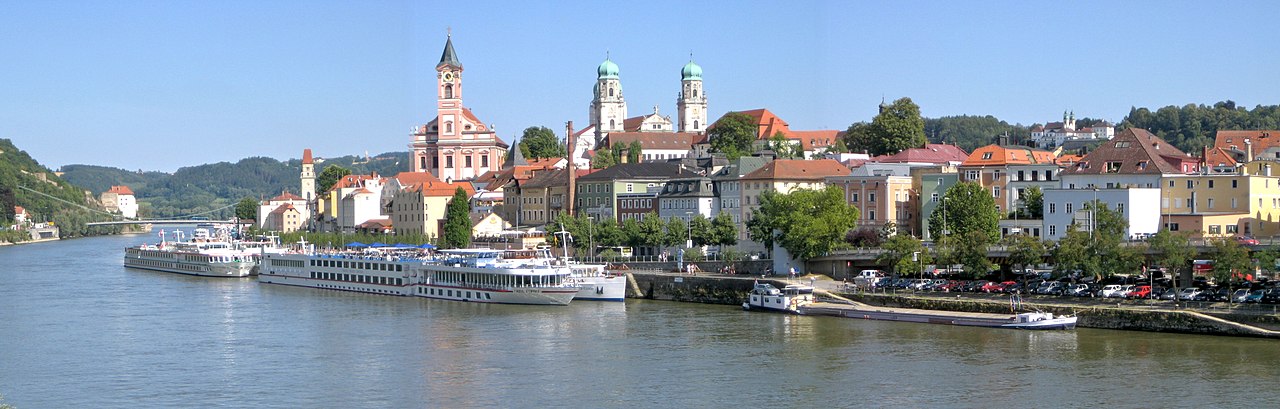






Geography and waterways
The junction of three rivers is Passau’s defining geographic feature. Where the waters meet they sometimes show contrasting colours, and the confluence has influenced the town’s layout, commerce and flood history. River traffic and cruise ships on the Danube regularly call in Passau, making the city a common stop on Central European river routes.
History and architecture
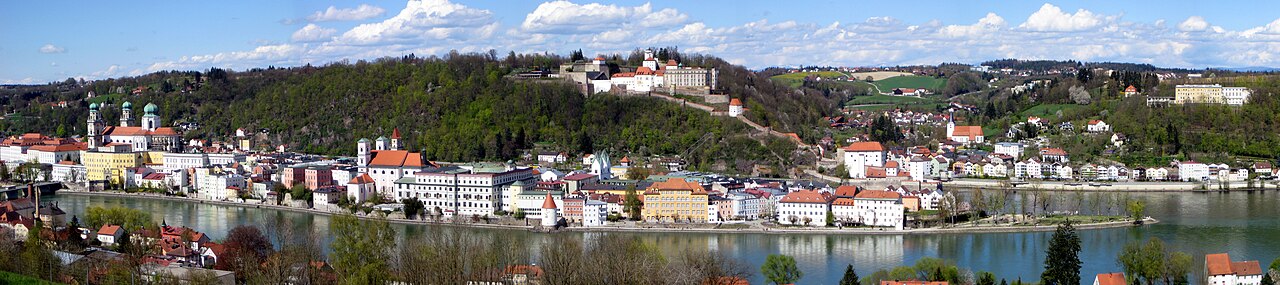
Passau has ancient roots, later becoming the seat of a bishopric and a regional centre in medieval and early modern times. A major fire and subsequent rebuilding in the 17th and 18th centuries gave the old town much of its present Baroque character. Dominating the skyline is St. Stephen’s Cathedral, famous for its ornate interior and one of the largest church organs in the world, which attracts organists and concerts.
Culture, institutions and economy
The city combines cultural institutions, museums and a university with services linked to tourism and river transport. A fortress above the town, lively festivals, and a calendar of concerts contribute to a year-round cultural offer. Passau also functions as a regional administrative and educational centre.
Highlights and practical notes
- St. Stephen’s Cathedral – baroque interior and monumental organ.
- Veste Oberhaus – historic fortress with views over the rivers.
- Old Town – pedestrian streets, cafés and church architecture.
- River cruises – Danube traffic links Passau to broader Europe.
- Museums and university – local collections and academic life.
Visitors should be aware of the riverine setting: floods have occurred in the past and walkways can be close to changing water levels. Overall, Passau’s unique meeting of rivers, layered history and preserved baroque centre make it a notable destination in southern Germany.
Related articles
Author
AlegsaOnline.com Passau — the Three-River City in Lower Bavaria Leandro Alegsa
URL: https://en.alegsaonline.com/art/74928
Sources
- destatis.de : "Alle politisch selbständigen Gemeinden mit ausgewählten Merkmalen am 31.12.2018 (4. Quartal)" · web.archive.org
- statistikdaten.bayern.de : "Fortschreibung des Bevölkerungsstandes"
- commons.wikimedia.org : Passau