
Passy-sur-Marne: commune in the Marne valley of northern France
Passy-sur-Marne is a small French commune in the Aisne department, historically part of Picardy, located on the Marne river in northern France; rural landscape, local administration, and historical context.
Passy-sur-Marne is a small rural commune situated on the banks of the Marne river in northern France. It belongs to the Aisne administrative unit and has the legal status and local government typical of French communes. The settlement is set within a river valley landscape characterized by meadows, cultivated fields and small woodlands, and it forms part of a network of villages linked by local roads and the course of the Marne.
Image gallery
2 Images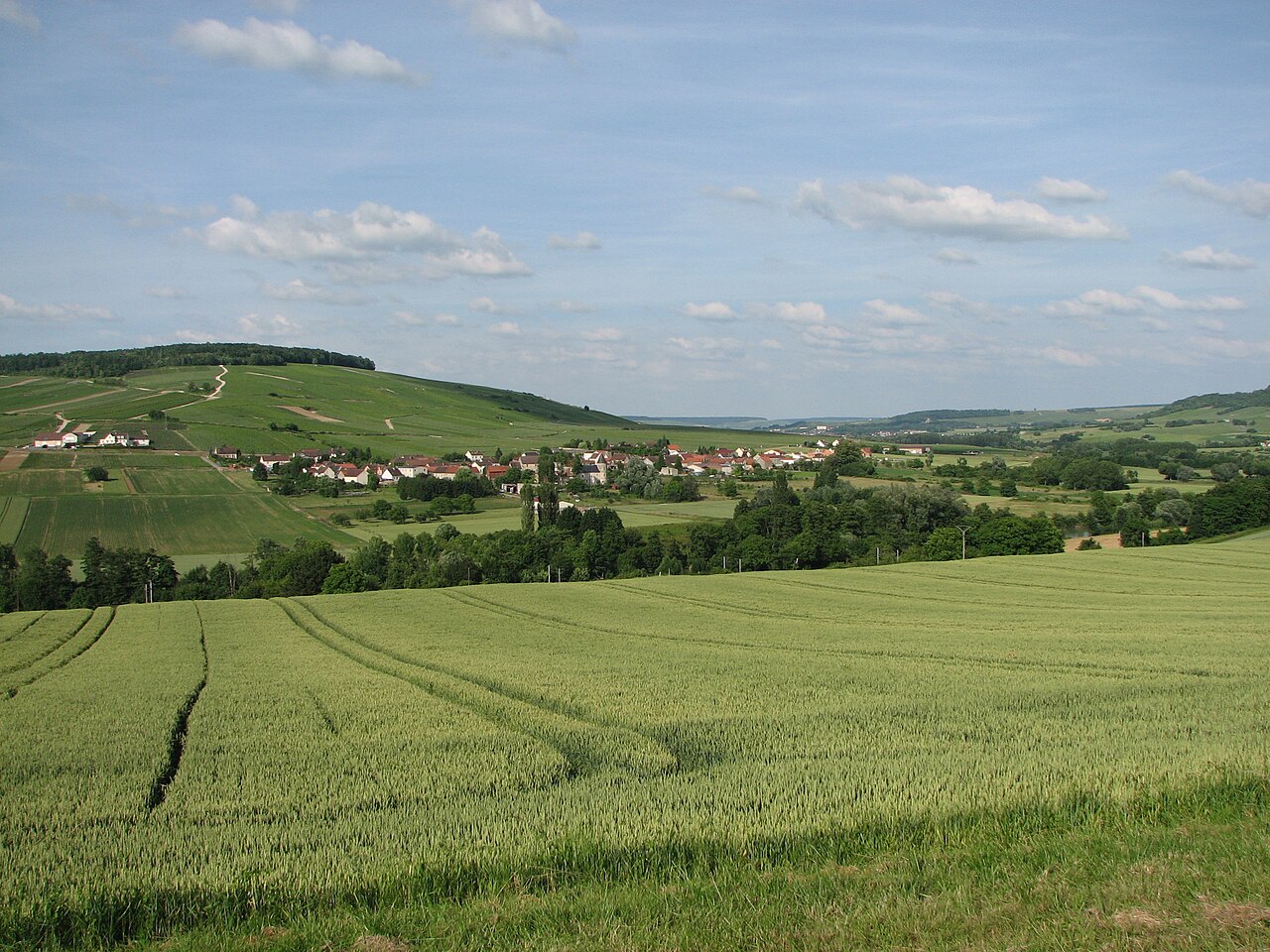

Key facts and location
- Commune status: a basic territorial and administrative division in France with a mayor and municipal council.
- Picardie: historically the region in which the area lay before the 2016 regional reorganisation.
- Aisne: the department that includes Passy-sur-Marne and many neighbouring rural communes.
- Department context: departments are mid-level administrative divisions between communes and regions.
- Northern France: the broader geographic area where the Marne valley and this commune are located.
Geographically, the commune occupies land alongside the Marne river, which has shaped local agriculture and the pattern of settlement. Floodplains and gentle hills are typical. The surrounding area supports mixed farming, smallholdings and, in places along the Marne, riparian habitats important for local biodiversity.
Historically, communities along the Marne have roots reaching back to medieval times; many village churches and road patterns reflect that long rural history. In modern memory the Marne valley is also associated with major events of the 20th century, when nearby sectors experienced military operations during the world wars—these broader historical forces affected local populations, infrastructure and land use.
Administration and everyday life in Passy-sur-Marne follow French municipal practice: a mayor and council manage local services, maintenance of communal roads, and community facilities. Economic life is largely local and agricultural, supplemented by commuting to nearby towns for employment, services and schooling. Small communes often participate in intercommunal structures to share services and planning.
Landscape, culture and notable aspects
The village fabric typically includes a parish church, a town hall (mairie), and residential clusters. Cultural life centers on local traditions, seasonal festivals and communal events. For visitors or researchers, the commune offers an example of small-scale rural settlement in the Marne basin and a window onto regional agricultural practices, landscape conservation and local governance.
Related articles
Author
AlegsaOnline.com Passy-sur-Marne: commune in the Marne valley of northern France Leandro Alegsa
URL: https://en.alegsaonline.com/art/74952