
Pathanamthitta district, Kerala — geography, history, culture and economy
Pathanamthitta is a largely rural district in southern Kerala, India, noted for the Pamba River, Sabarimala pilgrimage, rubber cultivation, forested uplands and distinctive cultural traditions such as the Aranmula boat race.
Overview
Pathanamthitta is a district in the southern part of the state of Kerala in India. The administrative headquarters is the town of Pathanamthitta. The district includes four municipalities: Pathanamthitta, Adoor, Tiruvalla and Pandalam. Much of the district is rural, with a landscape of rolling hills, river valleys and forested tracts. Despite its relatively small population compared with other districts of Kerala, Pathanamthitta has an outsized cultural and religious significance in the state and beyond because of pilgrimage sites, festivals and riverine traditions.
Image gallery
10 Images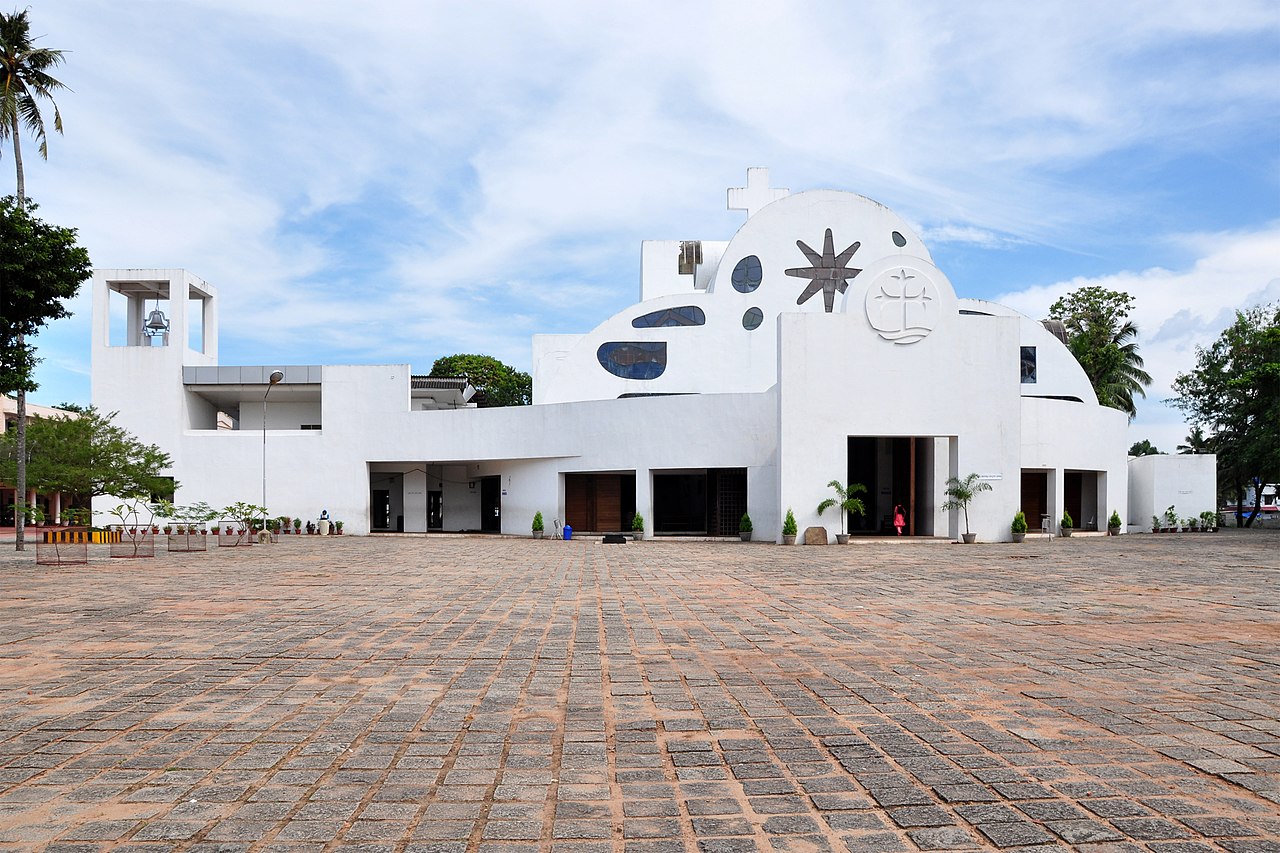


Geography and climate
Pathanamthitta lies on the leeward side of the Western Ghats and forms a transition zone between the coastal plain and the mountainous interior. The Pamba River is the principal river, draining large parts of the district and supporting agriculture, temples and settlements along its banks. The climate is tropical, with a distinct monsoon season; rainfall supports perennial streams, wetlands and a mosaic of agricultural land and forest patches.
Biodiversity and conservation
The district contains areas of evergreen and semi-evergreen vegetation typical of the southern Western Ghats biodiversity hotspot. These forested uplands and riparian corridors provide habitat for a variety of plant and animal species and perform important watershed and soil‑conservation functions. Parts of the district are included in regional conservation efforts and community initiatives that promote sustainable use, ecotourism and protection of water resources.
History and administration
Pathanamthitta was constituted as an administrative district in the late twentieth century to bring together taluks with common cultural and geographic ties. The district operates under the standard district administration system of India, with a collectorate and a mix of municipal and panchayat local bodies. Local governance focuses on rural development, infrastructure, health and education services.
Economy
Agriculture plays a central role in the local economy. Rubber cultivation is particularly widespread and is a major source of income for many households. Other important crops include coconut, tapioca and various spices. In addition to agriculture, remittances from residents working elsewhere in India and abroad contribute significantly to household incomes. Small-scale trade, services and seasonal pilgrimage-related commerce are also important.
Demography, health and education
Pathanamthitta is among the less populous districts of Kerala; historical census reports have recorded a population in the region of around 1.2 million (2001) though readers should consult recent official publications for updated figures. Social indicators such as literacy and primary health coverage generally reflect Kerala’s stronger-than-average performance in India. The district has featured in public‑health initiatives and has been reported in some sources as one of the early districts declared polio‑free in India; readers may refer to official health reports for confirmation and details (health source). For authoritative demographic statistics, consult the national census and related publications (Census).
Culture and festivals
Religious and cultural life in Pathanamthitta is diverse, shaped by Hindu, Christian and Muslim communities. The district is widely known for the annual Sabarimala pilgrimage, one of India’s largest seasonal pilgrimages to a hill shrine, which draws devotees from across the country. The Aranmula boat race, held on the Pamba, and traditional crafts such as the Aranmula mirror are important local cultural expressions. The Maramon Convention, organised on the banks of the Pamba near Thiruvalla, is one of the region’s notable religious gatherings.
Transport and tourism
Road networks connect Pathanamthitta to neighbouring districts and to pilgrimage routes; public transport and private vehicles provide links to towns and villages. The district attracts visitors for religious tourism, riverine landscapes, seasonal festivals and nearby forested areas that offer opportunities for nature walks and excursions. Local tourism initiatives aim to balance visitor access with conservation and community benefits.
Challenges and development priorities
Like many regions, Pathanamthitta faces development challenges including sustainable natural‑resource management, seasonal flooding in low-lying areas, rural livelihoods, and the need for improved infrastructure in parts of the district. Development priorities emphasise health and education services, disaster preparedness for monsoon impacts, sustainable agriculture and managed tourism that supports local communities.
- Major river: Pamba
- Principal towns: Pathanamthitta, Adoor, Tiruvalla, Pandalam
- Cultural highlights: Sabarimala pilgrimage, Aranmula boat race, Maramon Convention
- Economic base: rubber cultivation, remittances, small-scale trade
For up‑to‑date administrative boundaries, socio‑economic data and official notifications, consult government portals and district publications; official census material and health department reports provide authoritative figures and recent updates (Census, health portal, state portal).
Questions and answers
Q: Where is Pathanamthitta district located?
A: Pathanamthitta district is located in the southern part of Kerala, India.
Q: What is the population of Pathanamthitta district according to the 2001 Census of India?
A: The population of Pathanamthitta district according to the 2001 Census of India is 1,231,577, making it the third least populous district in Kerala (out of 14), after Wayanad and Idukki.
Q: How many municipalities are there in Pathanamthitta district?
A: There are four municipalities in Pathanamthitta: Tiruvalla, Adoor, Pathanamthitta and Pandalam.
Q: What is the urbanisation percentage of Pathanamthitta district?
A: The urbanisation percentage of Pathanamthitta district is 10.03%.
Q: Has Pathanamthitta district been declared polio-free?
A: Yes, Pathanamthitta district has been declared the first polio-free district in India.
Q: Is Pathanamthitta one of the richest districts in India?
A: Yes, Pathanamthitta is one of the richest districts in India with just 1.17% poverty as of 2013, which places the district among top 5 districts in India with least poverty.
Q: What is the name of the town where the district headquarters is located?
A: The town where the district headquarters is located is called Pathanamthitta.
Related articles
Author
AlegsaOnline.com Pathanamthitta district, Kerala — geography, history, culture and economy Leandro Alegsa
URL: https://en.alegsaonline.com/art/74998
Sources
- kerala.gov.in : Pathanamthitta District Handbook
- censusindia.gov.in : "Census of India" · web.archive.org
- census2011.co.in : "District Census 2011"
- dic.kerala.gov.in : "District profile-Pathanamthitta"
- censusindiamaps.net : "Pathanamthitta"
- livemint.com : "Spatial poverty in Kerala"
- livemint.com : livemint.com/
- cia.gov : "Country Comparison:Population"
- 2010.census.gov : "2010 Resident Population Data"
- censusindia.gov.in : "Data sheet — Pathanamthitta"
- kerala.gov.in : "District profile — pathanamthitta"