
Parque del Buen Retiro (El Retiro) — Madrid's historic public park
Historic central park in Madrid, created as royal gardens in the 17th century and opened to the public in 1868; renowned for the Crystal Palace, boating lake, rose garden and cultural life.
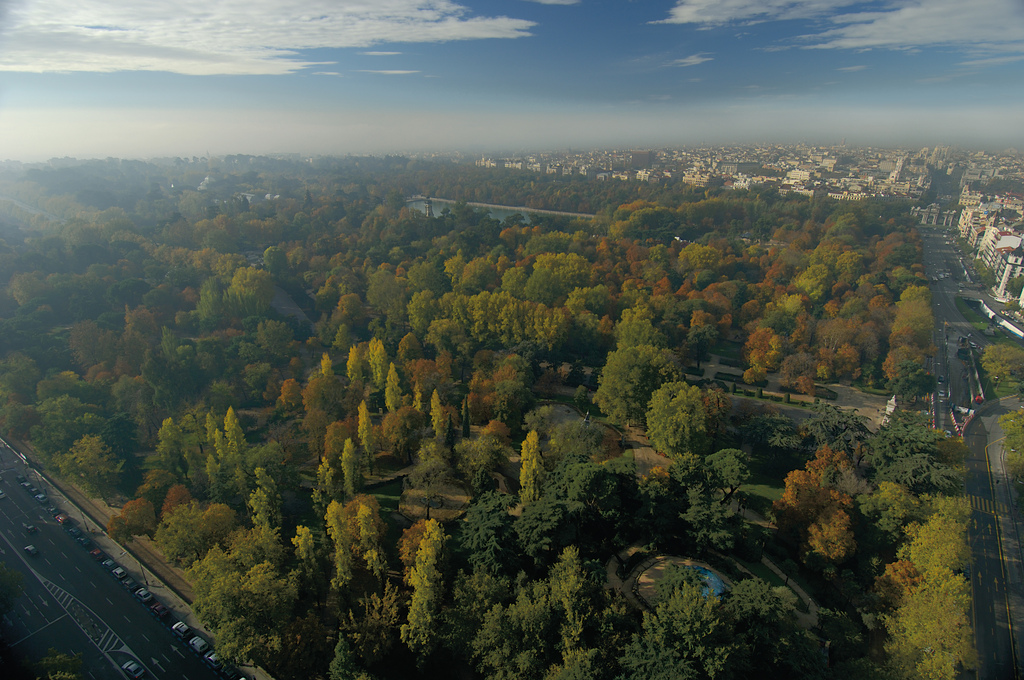
Parque del Buen Retiro, commonly called El Retiro, is Madrid’s best known urban park and one of the city’s principal green spaces. Originally designed as private palace gardens, the park now sits in the heart of the capital and combines formal 19th‑century landscaping with winding paths, monuments and tree‑lined promenades. For general information see the park’s overview: Parque del Buen Retiro.
Image gallery
10 Images


Characteristics and main sights
El Retiro contains a varied collection of architectural and horticultural attractions that draw both residents and visitors. The park is organized around wide avenues and open lawns, and it hosts sculptures, fountains and formal gardens. Notable elements include:
- The large ornamental pond where rowboats are rented and birds gather (the Estanque).
- Palacio de Cristal (Crystal Palace), a late‑19th‑century glass and iron exhibition pavilion set in a wooded hollow.
- The Palacio de Velázquez, another exhibition hall used for temporary shows.
- La Rosaleda, a cultivated rose garden; promenades lined with centuries‑old trees; and the prominent Monument to King Alfonso XII overlooking the pond.
History and development
The gardens were planned in the early 17th century as a royal retreat for King Felipe IV and expanded over subsequent reigns. Once on the outskirts of Madrid, the estate became enclosed by the growing city. Many of the park’s public features date from the 19th century, when parts of the former royal grounds were adapted for municipal use and the site was opened to the public in 1868 — see historical notes: Opening to the public. In recent decades the historic exhibition pavilions have been repurposed to host contemporary art and cultural programming.
Uses, events and cultural life
El Retiro is a lively cultural hub. Weekends bring street performers, puppeteers and informal music; the park also stages organized events such as the annual book fair and temporary art exhibitions. The Palacio de Cristal and the Velázquez Palace are often used for curated shows run in association with national institutions, including the contemporary art museum: museum exhibitions. The park’s paths are popular for walking, jogging, family outings and quiet recreation.
Distinctions and conservation
The park’s historic and artistic values have been recognized within broader urban conservation efforts. It forms part of Madrid’s cultural axis and has been included in international heritage discussions as a landscape that links public gardens, museums and civic spaces. Today El Retiro remains an essential meeting place in Madrid, valued both for daily leisure and for larger cultural encounters, while ongoing management seeks to balance visitor use with the conservation of historic trees, monuments and built structures.
Related articles
Author
AlegsaOnline.com Parque del Buen Retiro (El Retiro) — Madrid's historic public park Leandro Alegsa
URL: https://en.alegsaonline.com/art/74800