
Parade: public processions of people, music and display
A parade is an organized, often ceremonial public procession of people, vehicles, music and displays used for celebration, commemoration, protest, or promotion.
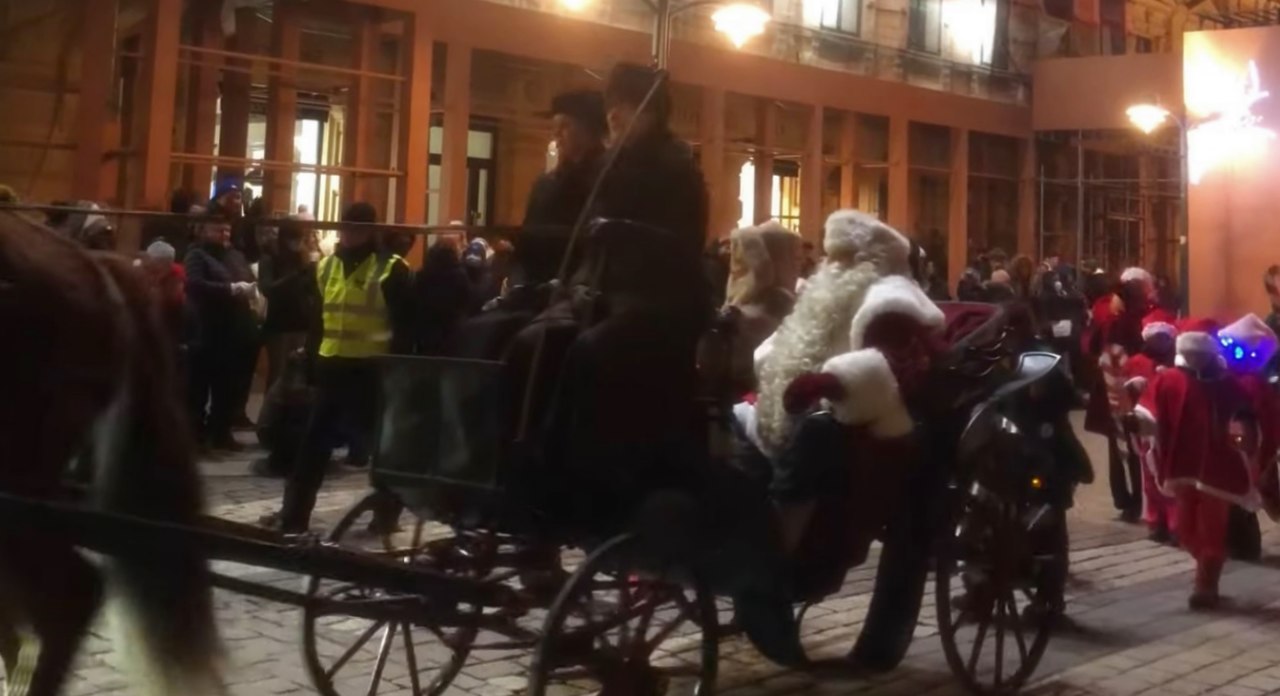
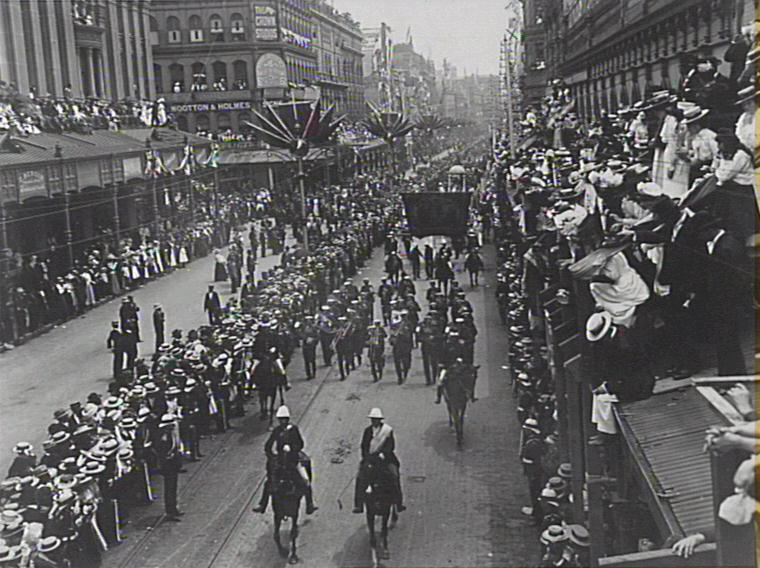
A parade is an organized public procession in which people move together along a planned route, most commonly down a street or road. Participants may walk, march, ride on vehicles or ride floats, carry banners, and wear distinctive dress. Many parades include marching bands, decorated platforms, costumed performers, and sometimes large balloons or animals. Audiences typically line the route to watch, cheer, and take part in the atmosphere.
Image gallery
10 Images



Common components and roles
Parades combine several visible elements and supporting functions. Typical components include:
- Marching units and bands that provide rhythm and pageantry.
- Floats—decorated platforms built on vehicles or trailers for thematic displays.
- Costumed performers, dancers, and giant balloons used for spectacle and character.
- Banners, flags and signs that identify organizations, causes or sponsors.
- Organizers, marshals and safety crews who manage timing, spacing and crowd control.
Roles within a parade may be ceremonial (such as grand marshals), competitive (in community or school contests), or promotional (for brands and events).
Origins and historical development
Parades have roots in ancient ceremonial processions and military reviews used to display power, mark religious rites, or celebrate victories. Over time these evolved into civic and festive forms tied to religious festivals, national holidays, and cultural celebrations. The modern parade developed alongside urbanization and mass media, which increased their scale and visibility and introduced sponsored floats and televised coverage.
Today parades occur worldwide in many styles: solemn commemorations, exuberant carnival processions, political marches, and community parades marking local festivals. Cultural traditions shape their music, costumes and choreography.
Distinct from a quiet procession or a march with a strictly political aim, a parade often emphasizes spectacle and public entertainment. Contemporary concerns include permitting, traffic management, crowd safety and accessibility. Organizers typically coordinate with authorities on road closures, emergency plans and broadcast arrangements. Despite these practicalities, parades remain a widely used form of public expression and celebration, connecting communities and marking shared moments of remembrance and joy. Costuming and pageantry are central to many parades, with participants commonly wearing themed outfits or masks—an example of the wide variety of forms a parade can take: festive, reverent, or promotional costumes.
Related articles
Author
AlegsaOnline.com Parade: public processions of people, music and display Leandro Alegsa
URL: https://en.alegsaonline.com/art/74497