
Parsley Massacre (1937)
Mass killing of thousands of Haitian migrants and dark-skinned residents along the Dominican–Haitian border in October 1937, ordered by dictator Rafael Trujillo; widely known as the Parsley Massacre.
Overview
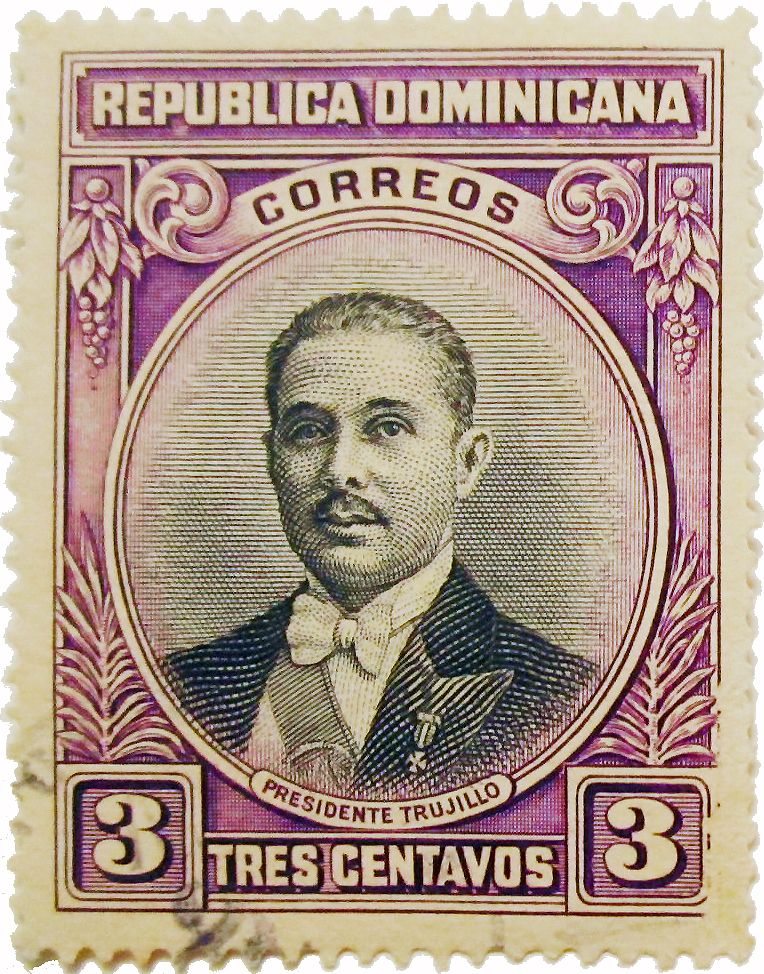
The Parsley Massacre refers to a government-directed campaign of mass killings that took place along the border between the Dominican Republic and Haiti in early October 1937. Ordered by Dominican ruler Rafael Leónidas Trujillo, the violence was aimed primarily at Haitian migrants and at people of Haitian descent living in frontier regions. Contemporary and later estimates of the number killed vary widely; commonly cited ranges place the death toll in the tens of thousands.
Image gallery
2 Images
Background and causes
The episode grew out of long-standing economic, social and political tensions between the two countries that share the island of Hispaniola. In the 1930s the Dominican state promoted a strong nationalist program and policies that sought to assert control over borderlands, regulate labor migration, and differentiate Dominican from Haitian identity. Land disputes, competition for agricultural labor, and anti-Haitian prejudice contributed to an atmosphere in which extreme measures were planned and executed by state forces.
Events and methods
During a brief period in October 1937, Dominican army units, police and local militias carried out systematic killings in towns and rural districts near the frontier. Accounts describe summary executions, forced expulsions, and widespread violence against civilians. The episode became popularly known as the "Parsley Massacre" because soldiers reportedly used the pronunciation of the Spanish word for parsley, perejil, as a crude linguistic test to distinguish Haitians from Dominicans; those judged to speak with a Haitian accent could be singled out for violence.
Aftermath and consequences
The massacre produced an immediate humanitarian crisis: thousands were killed, many more fled across the border, and families were separated. The event prompted international attention and diplomatic exchanges between the two governments and third parties. A financial settlement and other negotiations followed, although the historical and human costs continued to shape relations between the Dominican Republic and Haiti for decades.
Legacy and remembrance
The Parsley Massacre remains a pivotal and contested episode in Caribbean history. It is studied as an extreme instance of state violence, ethnic targeting, and the role of nationalism in shaping identity boundaries. Historians, human rights scholars and community groups have worked to document testimony, locate mass graves and keep memory alive; public awareness and commemoration vary by country and community. For additional historical summaries and source collections see further reading.
Notable facts
- The name refers to a language test involving the Spanish word perejil (parsley).
- Victims included Haitian nationals and some Dominicans of Haitian descent or darker skin.
- Estimates of deaths differ; historians emphasize the human rights and diplomatic consequences more than a single definitive count.
Related articles
Author
AlegsaOnline.com Parsley Massacre (1937) Leandro Alegsa
URL: https://en.alegsaonline.com/art/74812