
Petticoat: form, history, and uses of the underskirt
A petticoat is an underskirt worn to shape, insulate, or add volume beneath a skirt or dress. This article outlines types, historical development, materials, care, and modern uses.
A petticoat is a garment worn beneath a skirt or dress to shape the silhouette, add warmth, and provide modesty. Historically the term has covered a range of items from a simple slip to a full structured underskirt with ruffles or hoops. In modern language a petticoat most often means a skirt-shaped undergarment that can be worn alone beneath an outer skirt or incorporated into a dress as a separate layer.
Image gallery
6 Images


Characteristics and construction
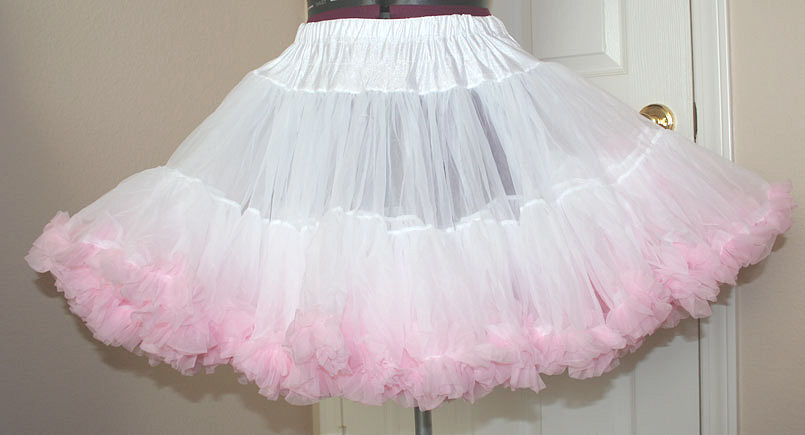
Petticoats vary by fabric and structure. Lightweight cotton or polyester slips smooth lines; layered tulle or netting creates volume; linen and silk have been used for finer garments. Starching, ruffles and stiffened panels increase fullness. Where more extreme support is needed, a petticoat may be reinforced with stays or hoops of flexible material to hold a wide bell shape.
Common types
- Simple slip: a sleek underlayer worn to prevent clinging and to protect outer garments. See a basic example: slip-style petticoat.
- Layered tulle or net petticoat: multiple tiers of lightweight fabric for volume under formal gowns — often used with bridal wear (bridal petticoats).
- Stiffened or hooped petticoat: built to hold extreme width; historically associated with the crinoline (hooped support) and similar devices.
History and development
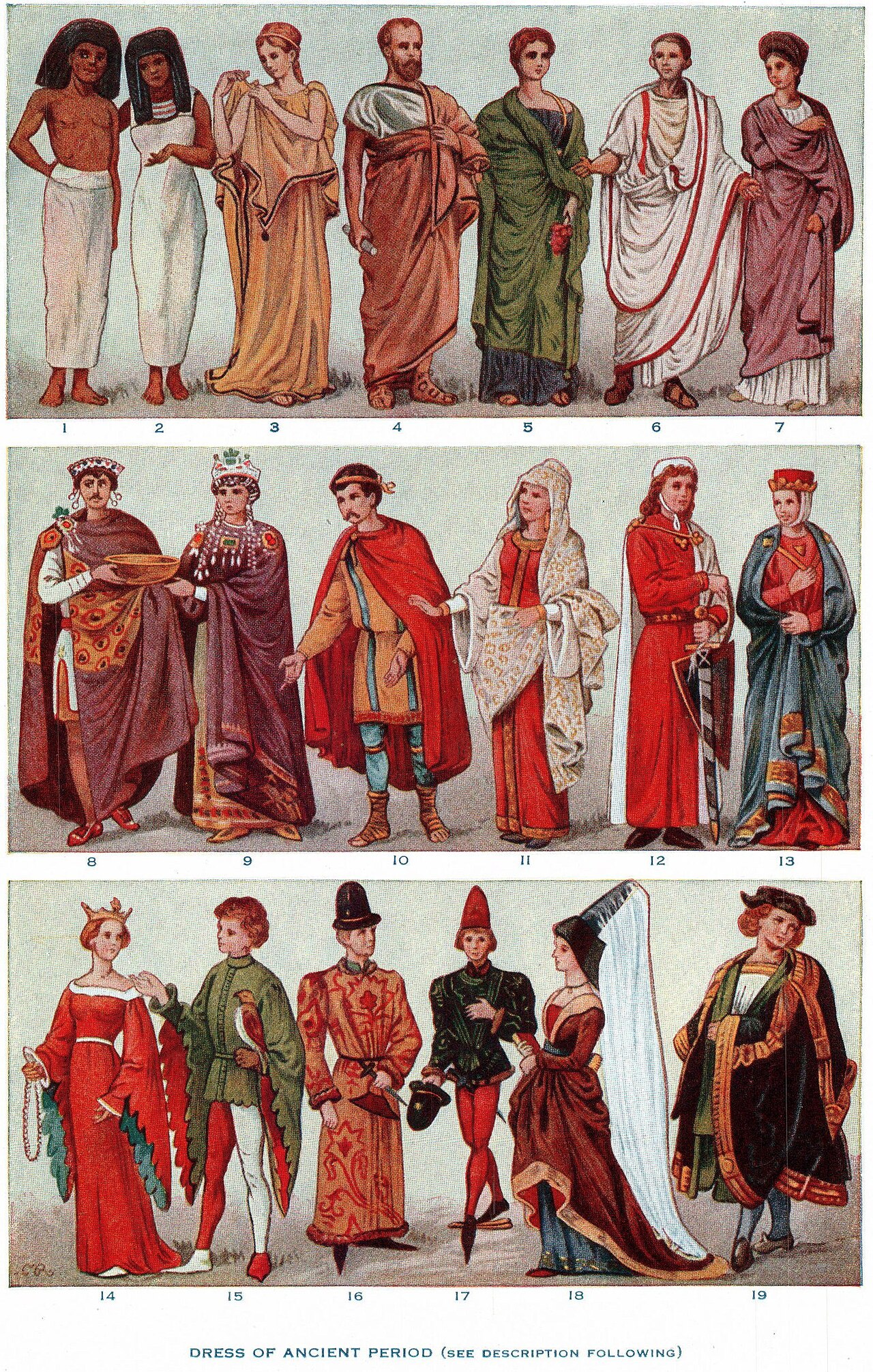
Petticoats in European dress evolved from practical underlayers to highly visible contributors to fashion. In different eras the petticoat could be plain and concealed or richly decorated and exposed beneath open-front gowns. In the 19th century, innovations such as the crinoline used hoops to create wide skirts; later, bustles and structured underskirts altered the rear silhouette. Over time materials and fastenings changed with textile technology and shifts in style.
Uses, care and distinctions
Petticoats are used today for thermal insulation, to shape a garment for formal occasions, and in historical reenactment or stage costuming. They differ from slips (which are primarily smooth underlayers) and pettipants (brief-like garments designed for modesty). Care depends on fabric: delicate lace and silk require gentle cleaning, while cotton and synthetics can often be washed and reshaped with light steaming or careful starching. For information on supportive underskirt techniques, see support and shaping methods.
Although the most extreme historical forms are rare in everyday wear now, petticoats remain an active part of fashion vocabulary and practical wardrobe-building, bridging functionality and style across centuries.
Questions and answers
Q: What is a petticoat?
A: A petticoat is a woman's undergarment, shaped like a skirt or skirt+bodice.
Q: What is the purpose of a petticoat?
A: The purpose of a petticoat is possibly insulation, and certainly to make the skirt fly out in an attractive way.
Q: How can a petticoat support a wider skirt?
A: Petticoats which are starched, with ruffles, or made with stiff fabric can support a wider skirt.
Q: What is a crinoline?
A: A crinoline is a petticoat structure which includes hoops of whalebone.
Q: Are crinolines worn today?
A: No, crinolines are not worn today.
Q: What type of clothing might petticoats be worn with?
A: Petticoats are sometimes worn with ballgowns.
Q: How does a crinoline compare to a regular petticoat?
A: A crinoline is an extreme version of a petticoat, with hoops of whalebone, while regular petticoats are simpler and made from softer fabrics.
Related articles
Author
AlegsaOnline.com Petticoat: form, history, and uses of the underskirt Leandro Alegsa
URL: https://en.alegsaonline.com/art/76244