
Palatinate (region of Germany)
The Palatinate (Pfalz) is a historical and cultural region in southwestern Germany, noted for its forests, vineyards, distinctive dialect, and a history tied to the Electorate of the Palatinate and postwar Rhineland-Palatinate.
Overview
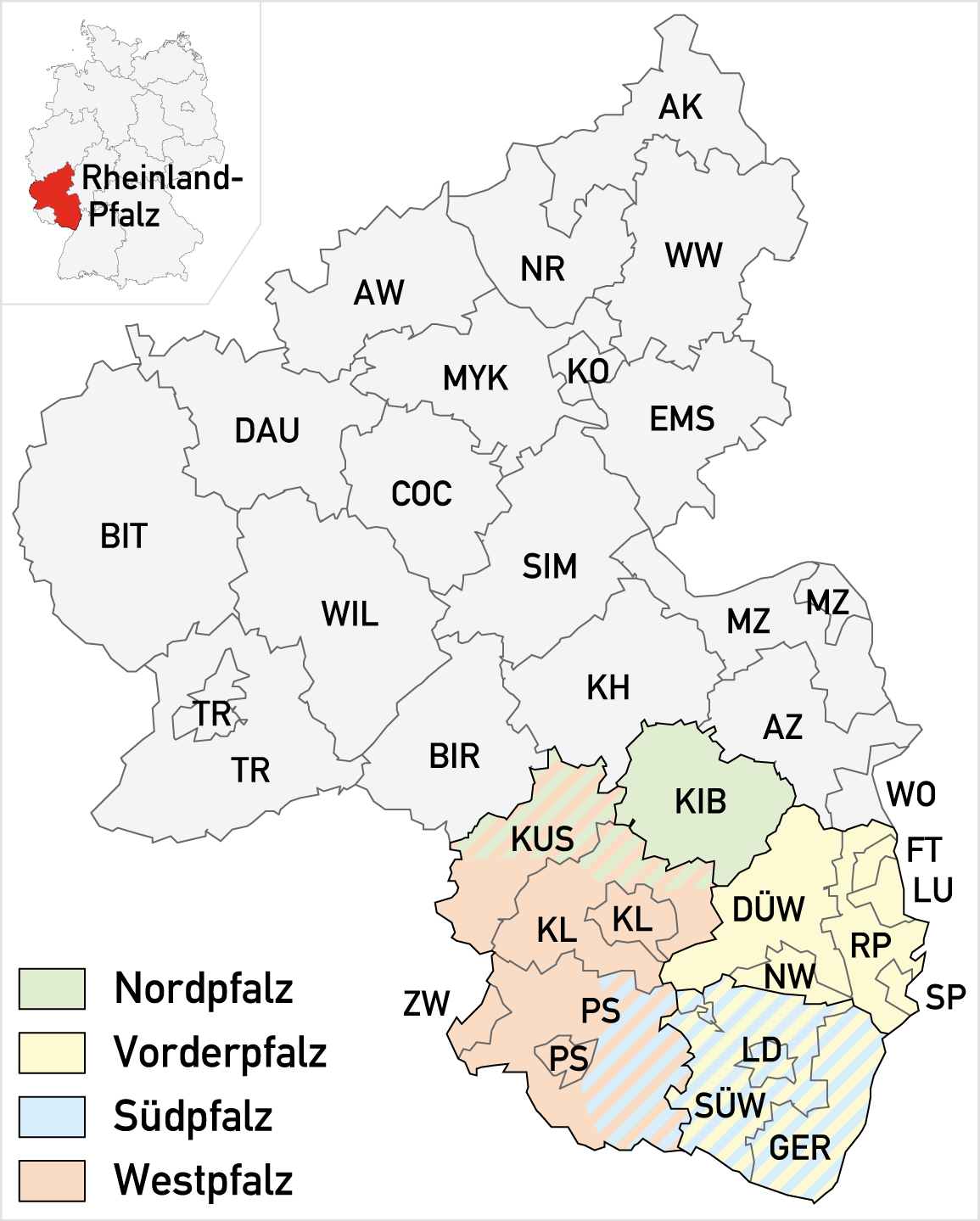
The Palatinate (German: Pfalz), often called the Rhenish Palatinate (Rheinpfalz) to distinguish it from the Upper Palatinate (Oberpfalz), is a cultural and geographic region in southwestern Germany. It forms a substantial part of the modern federal state of Rhineland-Palatinate. The name derives from the Latin palatinus, referring to officials associated with a palace; historically the area was governed by counts palatine and later by the Electors of the Palatinate.
Image gallery
8 Images


Geography and landscape
The region stretches from the Rhine valley westward into rolling low mountains and extensive woodlands. Important natural features include the Palatinate Forest (Pfälzerwald), a large contiguous forested area that adjoins the Vosges across the French border and is part of a cross-border biosphere. The climate is relatively mild, which supports extensive viticulture along routes such as the German Wine Route.
Major towns and features
- Historic cities and towns: Kaiserslautern, Ludwigshafen, Speyer, Landau, Neustadt an der Weinstraße.
- Cultural landmarks: Speyer Cathedral, castle ruins, and numerous wine villages.
- Natural highlights: Pfälzerwald biosphere, hiking trails and vineyards.
History and development
The Palatinate's identity grew around medieval principalities ruled by counts palatine. From the late Middle Ages the Electorate of the Palatinate was an influential territorial state within the Holy Roman Empire, with dynastic ties to the Wittelsbachs. The area suffered severe damage in wars of the 17th and 18th centuries and underwent repeated political changes. After 1815 much of the Rhenish Palatinate was administered within different states; following World War II much of the territory became part of the newly formed Rhineland-Palatinate.
Culture, economy and diaspora
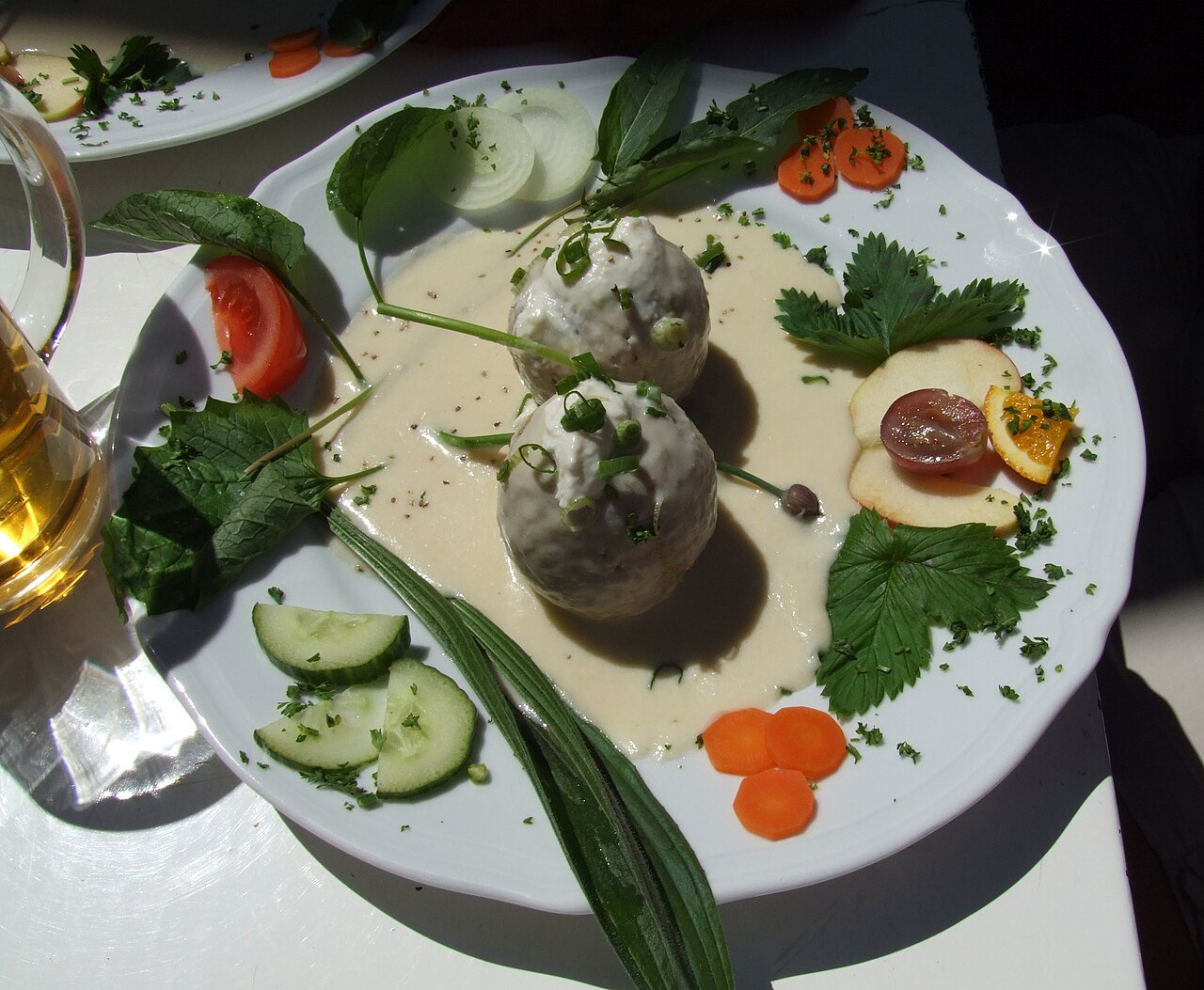
The Palatinate is known for its wine production, hearty regional cuisine (for example Saumagen), and a distinct West Central German dialect called Pfälzisch. Agriculture, wine tourism and forestry remain important; the presence of military installations in the 20th century also shaped local economies. Large numbers of Palatines emigrated in the 17th and 18th centuries to North America and other regions, leaving a cultural footprint abroad.
Distinctions and modern importance
Modern usage of the term Palatinate varies: it can mean the historical territory, the cultural region within Rhineland-Palatinate, or local administrative districts. It should not be confused with the Upper Palatinate (Oberpfalz) in Bavaria. Visitors today come for wine festivals such as the Bad Dürkheim Wurstmarkt, outdoor recreation in the Palatinate Forest, and to explore castles and Romanesque cathedrals. For maps and administrative details see regional resources such as official regional guides.
Questions and answers
Q: What is the Palatinate?
A: The Palatinate is a region in south-western Germany.
Q: What is the historical name for the Palatinate?
A: The historical name for the Palatinate is Rhenish Palatinate.
Q: What is the German name for the Palatinate?
A: The German name for the Palatinate is Pfalz.
Q: What percentage of Rhineland-Palatinate does the Palatinate occupy?
A: The Palatinate occupies more than a quarter of Rhineland-Palatinate.
Q: What is the Latin name for the Rhenish Palatinate?
A: The Latin name for the Rhenish Palatinate is palatinatum Renensis.
Q: What is the German name for the Rhenish Palatinate?
A: The German name for the Rhenish Palatinate is Rheinpfalz.
Q: In which federal state (Bundesland) is the Palatinate located?
A: The Palatinate is located in the German federal state of Rhineland-Palatinate (Rheinland-Pfalz).
Related articles
Author
AlegsaOnline.com Palatinate (region of Germany) Leandro Alegsa
URL: https://en.alegsaonline.com/art/74140