
Ozámiz — city in Misamis Occidental, Philippines
Ozámiz is a coastal city in northern Mindanao, Philippines. A regional commercial and transport hub, it is known for its historic fort, bay location, and its name honoring resistance leader José F. Ozámiz.

Overview
Ozámiz is a city on the northwestern coast of Mindanao in the Philippines, serving as an important local center of commerce, education and services for Misamis Occidental. According to the 2015 census it had a population of 141,828. The city sits along Panguil Bay and connects by land and sea with neighboring provinces and cities.
Image gallery
10 Images




Geography and administration
Located on the bay’s shoreline, the city comprises urban districts and more rural barangays that blend coastal fishing communities with agricultural hinterlands. Ozámiz functions as one of the primary urban centers of its province, with municipal services, markets and regional institutions that serve surrounding municipalities.
History
The city bears the name of Senator José F. Ozámiz, a prominent figure in the Philippines’ wartime resistance during World War II. Its coastal position made the area a long-standing local trading point prior to modern development; later it expanded as transport and public services grew, shaping its present role as a provincial hub.
Economy and transport
Economic activity in Ozámiz mixes agriculture, fishing, small-scale industry and retail trade. Transport links include road connections to provincial highways, a local airport serving domestic flights, and a port on Panguil Bay that accommodates interisland ferries and cargo. These connections support commerce and mobility for residents and neighboring towns.
Landmarks and culture
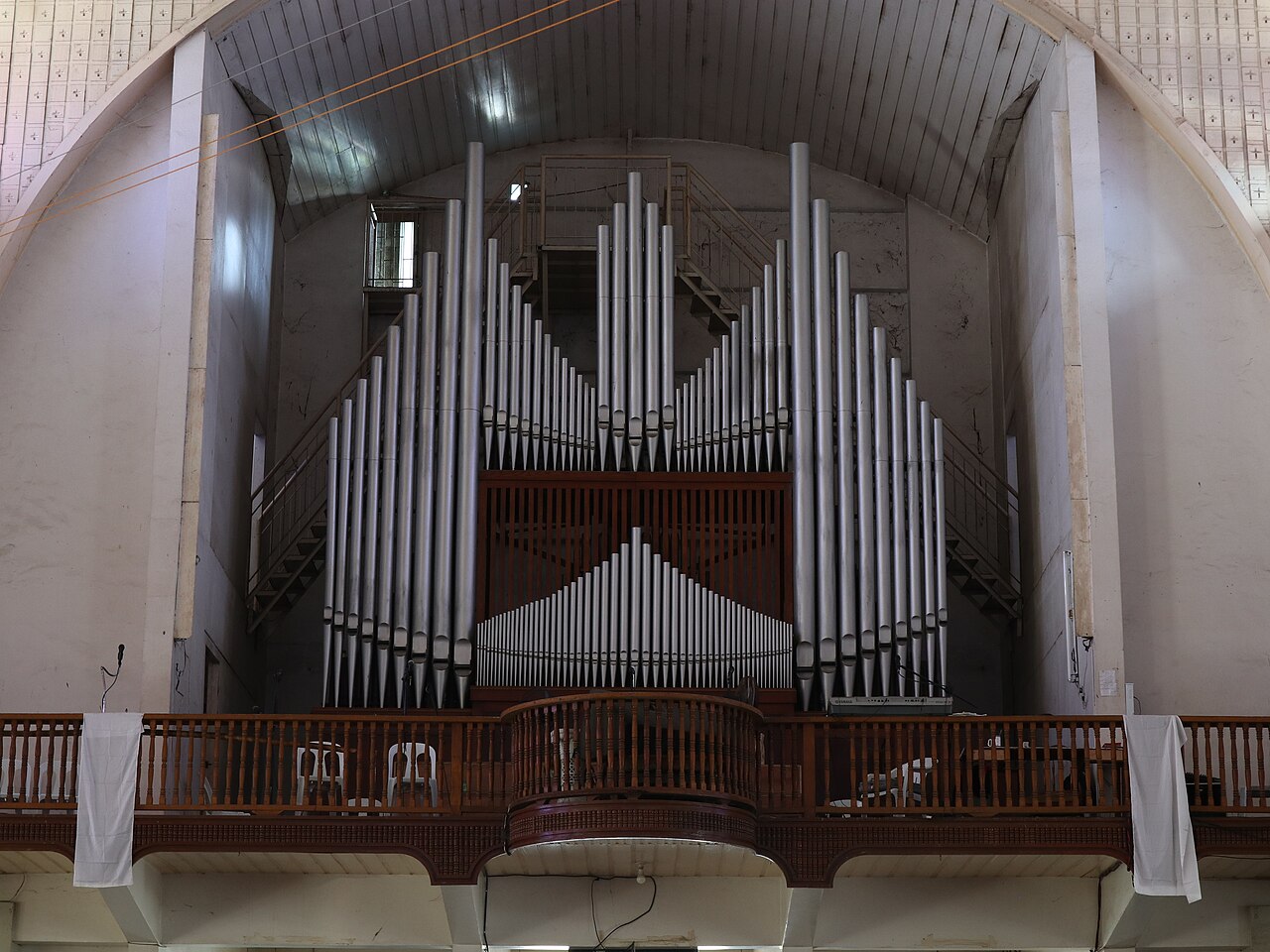
The city has several features of historical and cultural interest, including a colonial-era fort, a cathedral and public plazas that host festivals and civic events. Local markets, community centers and schools contribute to daily life, while religious and communal celebrations reflect the region’s customs.
Notable facts and distinctions
- Ozámiz is one of the principal cities of Misamis Occidental and a gateway to surrounding areas of Mindanao.
- Its location on Panguil Bay has shaped the city’s maritime and trading traditions.
- The city’s name commemorates a national figure associated with wartime resistance and public service.
Visitors and researchers typically approach Ozámiz as a practical regional center with a blend of historical sites, coastal scenery and everyday urban life that illustrates the broader patterns of development in northern Mindanao.
Related articles
Author
AlegsaOnline.com Ozámiz — city in Misamis Occidental, Philippines Leandro Alegsa
URL: https://en.alegsaonline.com/art/73848