
Domestic sheep (Ovis aries): overview, traits, uses and management
Domestic sheep (Ovis aries) are a globally kept ruminant raised for wool, meat and milk. This article covers their biology, history of domestication, common uses, breed types and basic husbandry.
Overview
The domestic sheep, Ovis aries, is a hoofed, wool-bearing ruminant kept by people worldwide for its products and for landscape management. Modern sheep descend from wild ancestors and have been modified by selective breeding. The word "sheep" serves as both singular and plural.
Image gallery
10 Images




Characteristics
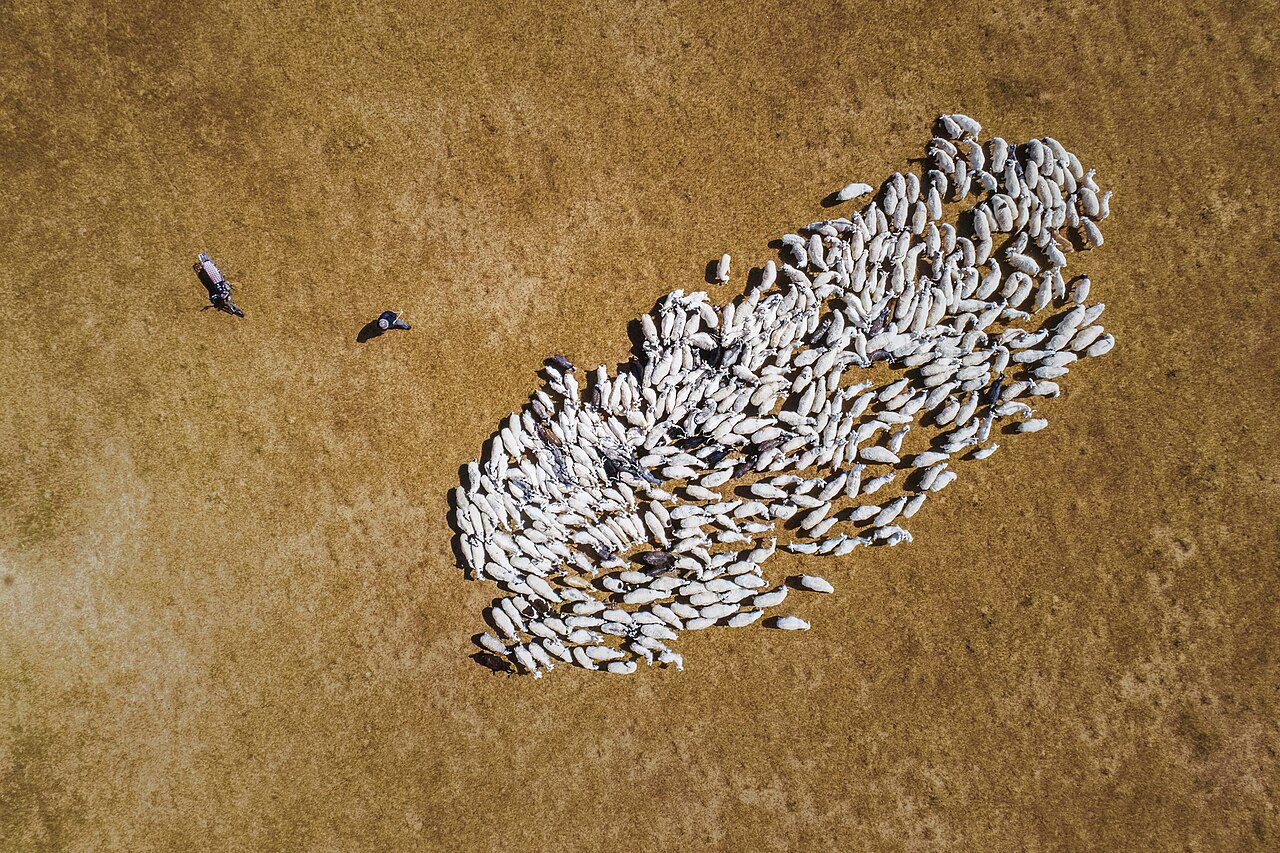
Sheep are medium-sized mammals with a coat ranging from fine, long wool to short hair. They are domesticated animals and, like other mammals, are warm-blooded and nurse their young. As ruminants they have a multi-chambered stomach adapted to fermenting fibrous plant material. Adult females are commonly called ewes, adult males are rams (or tups in some regions), and young animals are lambs. Many breeds carry distinct physical traits such as horned or polled heads, different fleece types, and variable body size.
Origins and history
Sheep were among the earliest livestock domesticated by humans. They are generally thought to have been tamed in the Near East during the Neolithic era, as hunter-gatherer societies shifted toward farming and animal husbandry. Over millennia, breeders selected animals for desirable characteristics, producing hundreds of regional breeds adapted to climate, terrain and agricultural needs.
Primary uses
Sheep provide multiple products that have shaped human economies and diets for thousands of years. The most common uses are:
- Wool: a renewable textile fiber sheared from the fleece and processed into yarn and cloth.
- Meat: meat from young animals is called lamb, while meat from older sheep is often called mutton.
- Milk: used in some regions to make cheeses and other dairy products.
- Skins and lanolin: hides are used for leather and lanolin from wool has cosmetic and industrial uses.
Breeds, husbandry and management
Breeding has produced varieties specialized for wool, meat, dairy or dual-purpose roles. Small flocks are tended by individual farmers, while large commercial flocks are professionally managed by stockpersons or sheep farmers. Routine care includes feeding, pasture rotation, parasite control, vaccination, and annual shearing. Seasonal lambing and careful predator protection are important in many systems. Sheep are grazers and can help manage vegetation, though grazing must be balanced to avoid land degradation.
Economic and cultural importance
Sheep products remain economically important in many countries, contributing to rural livelihoods, traditional crafts and cuisine. Different cultures have long-standing culinary and ritual roles for lamb and mutton. Common practical distinctions—such as the names for sexes and ages—are widely used in agriculture and food labeling. For readers wanting a concise reference, some basic terms and facts are summarized on general agricultural pages and breed registries (wild relatives, terminology).
For further introductory reading about sheep biology and farming techniques see resources on domestication and livestock husbandry (domestication overview, mammal biology, meat production, and meat terminology).
Questions and answers
Q: What is a domestic sheep?
A: A domestic sheep (Ovis aries) is a domesticated mammal related to wild sheep and goats.
Q: Who looks after domestic sheep?
A: Domestic sheep are owned and looked after by a sheep farmer.
Q: What are female and male sheep called?
A: Female sheep are called ewes and male sheep are called rams.
Q: What do we call young sheep?
A: Young sheep are called lambs.
Q: Why do people keep domestic sheep?
A: People keep domestic sheep for their wool and meat.
Q: How is the wool of domestic sheeep used?
A: The wool of domestic sheeep, after cleaning and treating, is used to make woollen clothes.
Q: What is the difference between lamb meat and mutton meat?
A: Lamb meat comes from young Sheep while mutton meat comes from adult Sheep.
Related articles
Author
AlegsaOnline.com Domestic sheep (Ovis aries): overview, traits, uses and management Leandro Alegsa
URL: https://en.alegsaonline.com/art/28281
Sources
- commons.wikimedia.org : Sheep
- commons.wikimedia.org : Ovis aries
- species.wikimedia.org : Ovis aries