
Oxygen therapy: definition, delivery methods, uses, risks and history
Supplemental oxygen is medical O2 given to raise blood oxygen levels. This article explains how it’s delivered, common indications, monitoring and safety considerations, and a brief history of the therapy.
Oxygen therapy, often called supplemental oxygen, is the medical practice of supplying additional oxygen (O2) to people who cannot maintain adequate blood oxygen levels on their own. In clinical contexts the goal is to correct hypoxemia and support normal cellular metabolism and organ function. Administration may be short-term — for example during acute illness, surgery, or poisoning — or long-term for chronic conditions that impair gas exchange.
Image gallery
7 Images


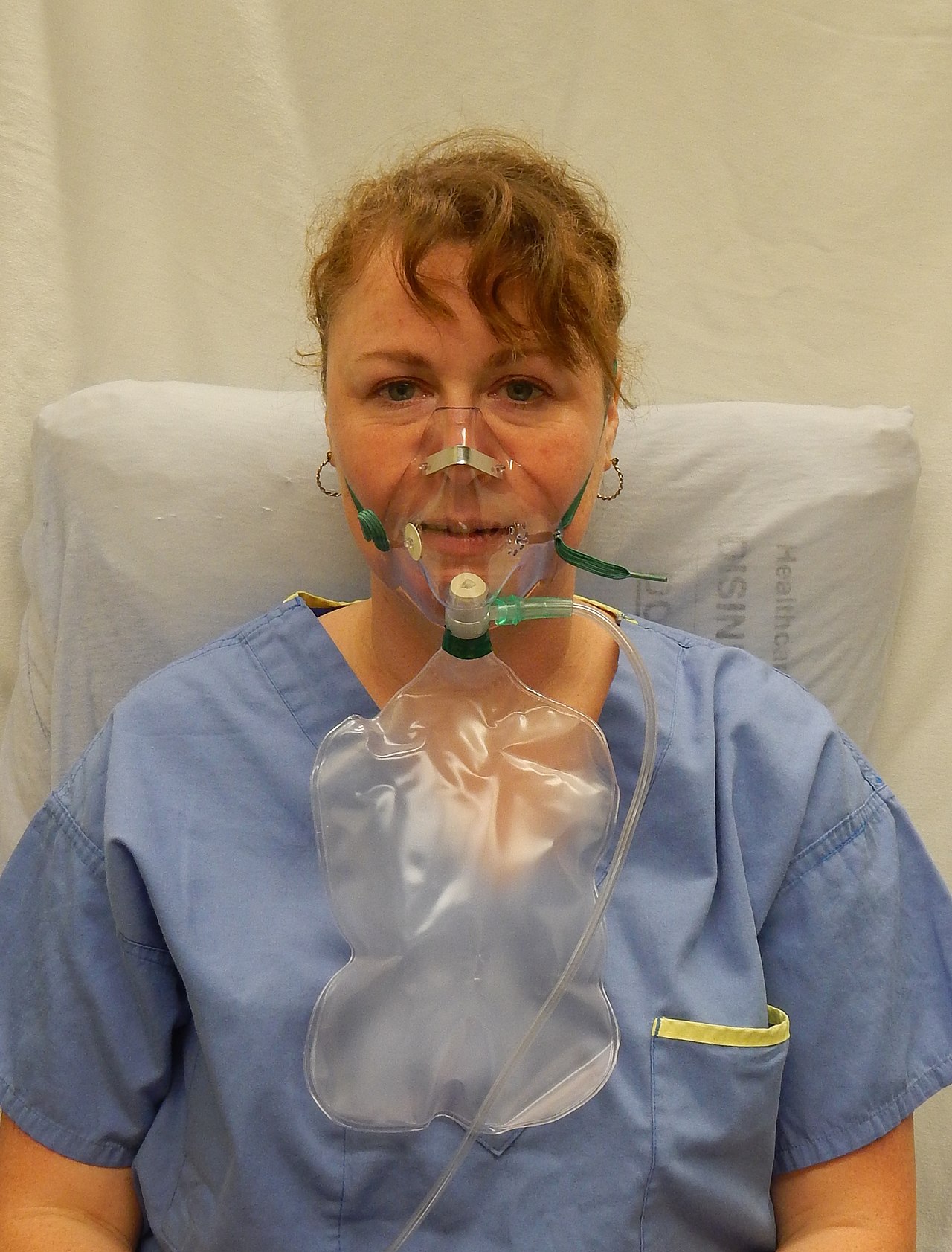


How oxygen is delivered
There are several practical ways to provide oxygen depending on the clinical need and setting. Devices range from simple low-flow interfaces used at home to more complex systems used in hospitals and specialized facilities. Common delivery options include:
- Nasal cannula: lightweight prongs that sit in the nostrils and are used for low to moderate supplementary oxygen.
- Face masks: simple or non-rebreathing masks that can deliver higher concentrations for acute care.
- High-flow systems and ventilators: hospital equipment that can deliver warmed, humidified oxygen at higher and precisely controlled concentrations.
- Hyperbaric chambers: pressurized environments used for specialized treatments such as decompression sickness or certain wound-healing indications.
Different devices provide either variable inspired oxygen concentration (affected by the patient’s breathing pattern) or fixed concentrations (more predictable fractions of inspired oxygen). Selection depends on severity of hypoxemia, patient comfort, mobility requirements, and clinical goals. For basic definitions and further reading, consult resources linked here: basic oxygen information, administration methods, and equipment overview.
When oxygen is used and why it matters
Oxygen therapy is indicated whenever tissue oxygen delivery is insufficient. Typical medical reasons include acute hypoxemia from lung disease or injury, carbon monoxide poisoning, cluster headache treatment, and as part of resuscitation. It is also prescribed long-term for chronic respiratory diseases that chronically lower arterial oxygen, such as chronic obstructive pulmonary disease (COPD) and certain forms of cystic fibrosis. In specialized settings, hyperbaric oxygen is used for decompression illness and to promote healing in selected wounds.
Properly administered, supplemental oxygen can relieve breathlessness, improve organ function, and, when required continuously, reduce complications associated with long-standing hypoxia. See additional clinical context here: hypoxia, cluster headaches, and chronic lung disease.
Risks, monitoring and precautions
Oxygen is a medicine and carries potential harms if used incorrectly. High concentrations for prolonged periods can cause oxygen toxicity in the lungs and central nervous system. In some people with certain chronic respiratory disorders, excessive oxygen can blunt respiratory drive and worsen carbon dioxide retention. Other practical concerns include mucosal drying, skin irritation from interfaces, and the fire risk inherent to enriched-oxygen environments. Neonates require careful titration due to risks to developing eyes and lungs.
Monitoring commonly involves pulse oximetry to track peripheral oxygen saturation and, when necessary, arterial blood gases to measure oxygen and carbon dioxide tensions and acid–base status. Oxygen prescriptions specify the delivery method, target oxygenation range, and whether therapy is continuous or intermittent. For safety advice and further resources, see monitoring guidelines and practical precautions.
History and notable facts
Discoveries of oxygen as a distinct gas date to the late 18th century, associated with scientists such as Joseph Priestley, Carl Wilhelm Scheele and Antoine Lavoisier, who helped identify its chemical role in combustion and respiration. Medical use of concentrated oxygen developed over the 19th and 20th centuries alongside advances in respiratory care, anesthesia, and emergency medicine. Hyperbaric applications arose later and remain a specialized branch of oxygen therapy. Today, supplemental oxygen is a cornerstone of modern acute and chronic respiratory care worldwide.
In summary, oxygen therapy is a widely used medical intervention that must be tailored to the patient’s condition, carefully monitored for effectiveness and safety, and delivered by appropriate devices selected for the clinical situation.
Questions and answers
Q: What is oxygen therapy?
A: Oxygen therapy is a medical treatment where oxygen gas is given to the patient for inhalation to increase oxygen levels in the blood.
Q: When is oxygen therapy used?
A: Oxygen therapy is used for illnesses like hypoxia, carbon monoxide toxicity, and cluster headaches. It can also be used for people suffering from long-term illnesses like COPD and cystic fibrosis.
Q: What are the ways oxygen can be given to a patient?
A: Oxygen can be given to a patient through a nasal cannula, face mask, or inside a hyperbaric chamber.
Q: Why do oxygen levels need to be high enough for respiration to keep a patient healthy?
A: Oxygen is necessary for the body to create energy and carry out various metabolic processes. Therefore, oxygen levels need to be high enough for respiration to keep a patient healthy.
Q: What is hypoxia?
A: Hypoxia is a condition that occurs when there is a lack of oxygen in the body or in specific organs.
Q: What is COPD?
A: COPD is Chronic Obstructive Pulmonary Disease, a long-term lung disease that results in breathing difficulties.
Q: Can oxygen therapy only be used for a short time?
A: Oxygen therapy can be used over a long time for people who suffer from illnesses that lower oxygen levels in the blood like COPD and cystic fibrosis.
Related articles
Author
AlegsaOnline.com Oxygen therapy: definition, delivery methods, uses, risks and history Leandro Alegsa
URL: https://en.alegsaonline.com/art/73828
Sources
- apps.who.int : WHO Model Formulary 2008 · web.archive.org
- books.google.ca : Disease Control Priorities in Developing Countries · web.archive.org
- books.google.ca : Caring for the Seriously Ill Patient 2E · web.archive.org
- books.google.ca : Medical Toxicology · web.archive.org
- books.google.ca : Nursing Practice: Knowledge and Care · web.archive.org