
Outwash plain (glacial outwash)
A broad, flat landform made of sand and gravel deposited by meltwater from a retreating glacier; important for groundwater, soil development, and as a record of past glacial activity.
Overview
An outwash plain is a broad, often level area of sediment deposited by streams of meltwater flowing away from a glacier. These plains form in front of retreating ice margins and are composed mainly of sand and gravel that have been washed, sorted and laid down by flowing water rather than by direct glacial ice. The term is commonly used in glacial geology and geomorphology and is closely associated with proglacial or foreland environments. See a general map or description at outwash plain and read about meltwater processes at glacier meltwater.
Image gallery
3 Images

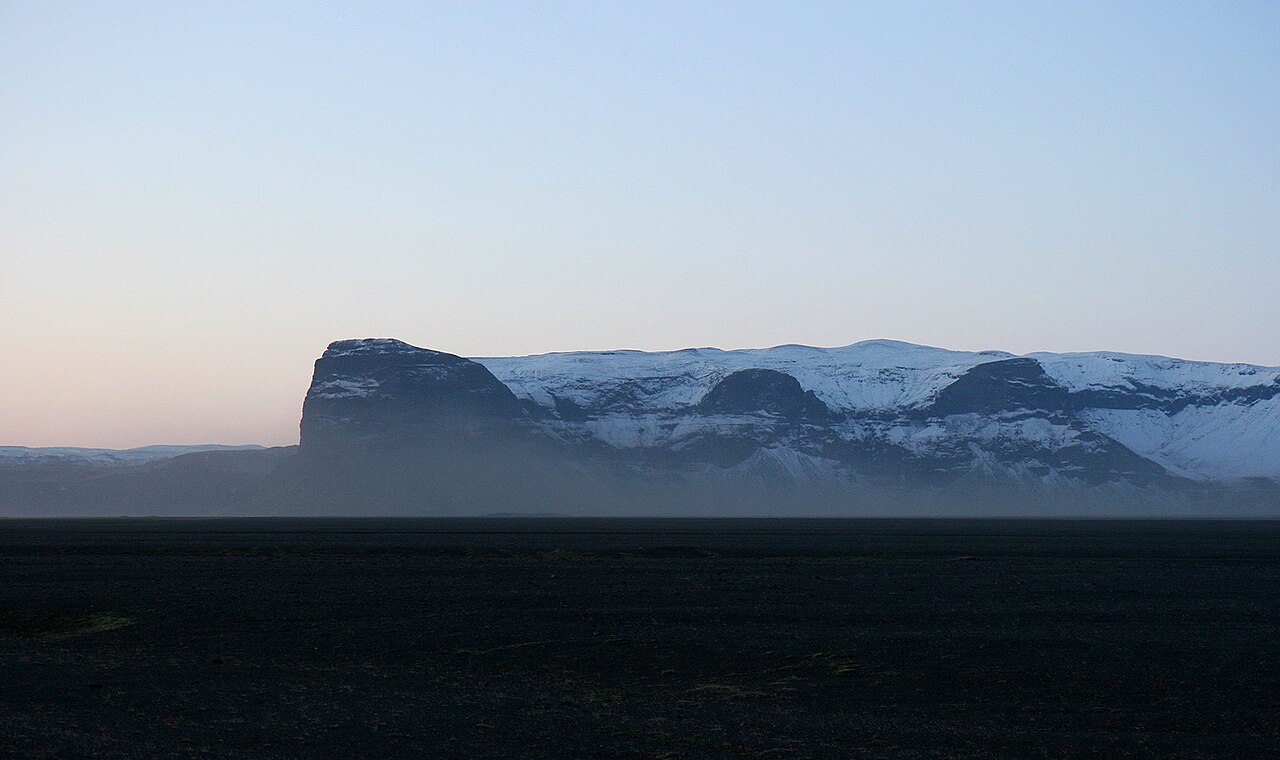
How they form
When a glacier melts, it releases sediment-rich water that carries rock fragments of many sizes. Coarser material (pebbles and cobbles) is deposited nearer the ice margin where flow velocity drops, while finer sand and silt travel farther. Repeated pulses of meltwater and seasonal variation create braided stream networks that spread sediment in fanlike sheets. Over time these processes build an extensive plain of stratified drift that slopes gently away from the glacier front.
Typical characteristics
- Surface: generally flat to gently sloping and often very well drained due to coarse, sorted grains.
- Sediment: dominated by sand and gravel with distinct layering (stratification) produced by flowing water.
- Channel patterns: commonly features braided streams and shallow channels that migrate across the plain.
- Hydrology: high permeability makes these areas important aquifers and conduits for groundwater recharge.
Importance and uses
Outwash plains influence modern land use and ecosystems. Their coarse, well-drained soils can support certain types of agriculture, forestry and infrastructure, though variable depths and active channels sometimes complicate construction. Geologically, they preserve records of past glacier behavior and climate fluctuations. Their porous deposits often form productive groundwater reservoirs that supply wells and springs in many regions.
Distinctions and examples
Outwash plains differ from tills and moraines, which are direct ice deposits and tend to be unsorted and more hummocky. Related features include eskers (sinuous ridges from subglacial streams) and kames (small mounds of sediment). Well-known local names for extensive outwash deposits include "sander" in parts of Europe. Outwash plains occur in front of many modern and former glaciers worldwide and were widespread during Pleistocene glaciations, forming notable landscapes in regions such as Iceland, Alaska and parts of northern Europe and North America.
Related articles
Author
AlegsaOnline.com Outwash plain (glacial outwash) Leandro Alegsa
URL: https://en.alegsaonline.com/art/73684