
Dry toilet: types, function, benefits and sanitation considerations
Dry toilets collect human excreta without using flushing water. This article outlines common types, how they work, health and environmental considerations, selection guidance and routine management practices.
Overview
A dry toilet collects human waste without using water to flush. It includes a wide range of systems—from simple pit latrines to engineered units that enable composting, urine diversion, incineration or freezing. Dry toilets can be designed for sitting or squat use and may either mix or separate urine and feces. The core aim is safe containment, treatment, and where possible, resource recovery while avoiding or reducing reliance on water and sewer networks.
Image gallery
10 Images




Common types
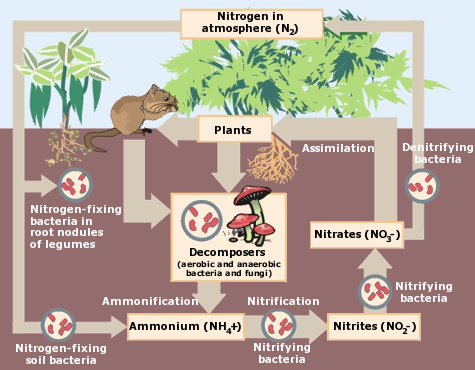
- Composting toilet – encourages biological decomposition of fecal matter into a stabilized product using carbon cover materials and controlled conditions.
- Urine-diverting dry toilet – separates urine for simpler treatment or reuse as fertilizer while keeping solids for composting or storage.
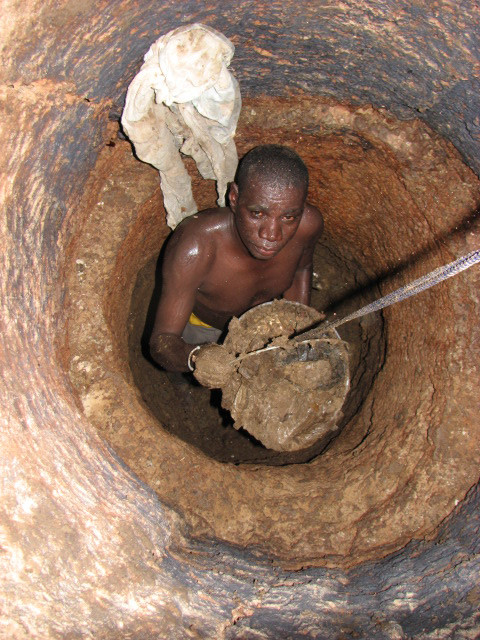
- Pit latrine – a simple hole in the ground with a slab or seat; commonly used where connections and water are limited.
- Container-based toilet – collects excreta in removable containers for transport to centralized treatment.
- Bucket toilet – a basic form of container system that requires regular emptying and safe handling.
- Incinerating toilet – uses high heat to combust waste to sterile ash, often requiring energy input.
- Freezing toilet – preserves waste by freezing for later handling or disposal, used in some specialized settings.
How they work and key components
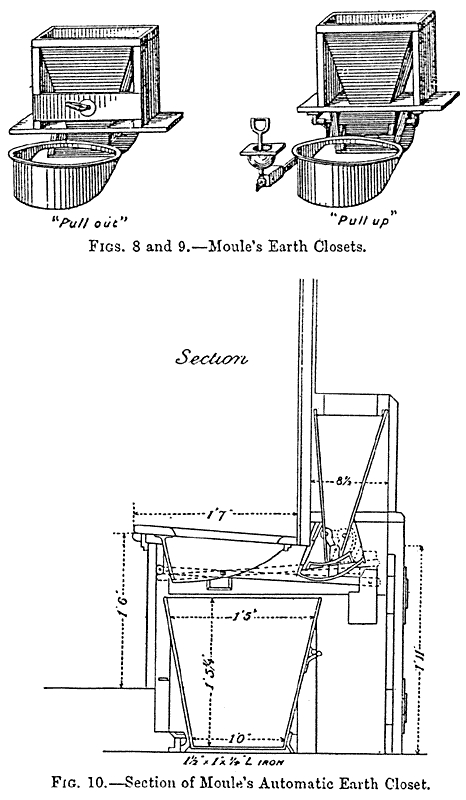
Most dry toilets combine a user interface (seat or squat plate), a waste capture chamber or container, ventilation to reduce odors and flies, and materials or processes to stabilize waste. Some systems add dry cover materials such as sawdust, ash or dry soil to control moisture and odor and to aid composting. In urine-diverting units the diverted urine can be stored, diluted or treated for safe agricultural use; solid fractions are managed separately.
Health, safety and environmental considerations
Safe operation focuses on preventing exposure to pathogens during use, emptying and treatment. Well-designed systems minimize contact, control vectors and provide handwashing. Treatment methods such as prolonged composting at adequate temperatures or thermal treatment reduce pathogen risks. Pit and container systems must be located and managed to protect groundwater and avoid overfilling. Local regulations and public health guidance should inform system choice and operating procedures.
Advantages and limitations
Dry toilets save water, lower demands on sewer infrastructure and can enable nutrient recovery when properly managed. They are suitable for rural areas, emergency contexts and locations with limited water. Limitations include the need for regular maintenance, potential for odors or insects if mismanaged, cultural acceptance issues, and logistical needs for emptying, transport and treatment. Costs, climate and social preferences influence feasibility.
Choosing and managing a system
Select a type based on user needs, climate, space, availability of treatment options and regulatory requirements. Consider maintenance routines, emptying frequency, safety measures and whether recovered nutrients will be reused. Community engagement and user education are essential to ensure acceptance and safe operation. Technical resources and guidelines on water-free sanitation, handling of human excrement, and best practices can help implementers and users manage risks and benefits.
Further resources and implementation
Practical guidance, design standards and case studies are available for many dry toilet approaches. Consult general references on dry toilet design, manuals for composting systems, materials on urine management, and descriptions of container-based or container and bucket models. Information about advanced technologies such as incinerating and freezing toilets is useful where energy or logistical conditions make them appropriate. Local authorities and recognized sanitation standards should guide safe deployment and operation.
Questions and answers
Q: What is a dry toilet?
A: A dry toilet is a toilet for depositing human excrement without using water.
Q: How is a dry toilet different from a flush toilet?
A: A dry toilet is very different from a flush toilet that uses water.
Q: Are all dry toilets the same type?
A: No, there are different types of dry toilets that include composting toilet, urine-diverting dry toilet, Arborloo, container-based toilet, bucket toilet, pit latrine, incinerating toilet, or freezing toilet.
Q: What is the purpose of a dry toilet?
A: The purpose of a dry toilet is for the depositing of human excrement.
Q: Can urine and feces be kept separate in a dry toilet?
A: Yes, urine and feces can either be mixed or be kept separate in a dry toilet.
Q: What are some examples of dry toilets?
A: Some examples of dry toilets are composting toilet, urine-diverting dry toilet, Arborloo, container-based toilet, bucket toilet, pit latrine, incinerating toilet, or freezing toilet.
Q: Do dry toilets use water?
A: No, dry toilets do not use water.
Related articles
Author
AlegsaOnline.com Dry toilet: types, function, benefits and sanitation considerations Leandro Alegsa
URL: https://en.alegsaonline.com/art/29053