
Oyster card — London’s contactless public transport smart card
A reusable electronic smart card used across London's public transport network for pay-as-you-go fares, period tickets and capped travel. Managed by Transport for London and accepted on multiple services.
Overview
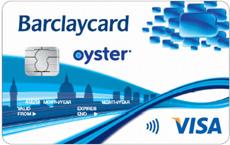
The Oyster card is a reusable contactless smart card used for fare payment on most public transport services in Greater London. Issued and promoted by Transport for London, it supports pay-as-you-go balances, stored period tickets and travel permits. The card is widely accepted across systems including the London Underground, buses, the Docklands Light Railway, the London Overground, trams and many National Rail services running within London fare zones. Visitor versions and pre-loaded options are available for short-term users and tourists.
Image gallery
10 Images


How it works
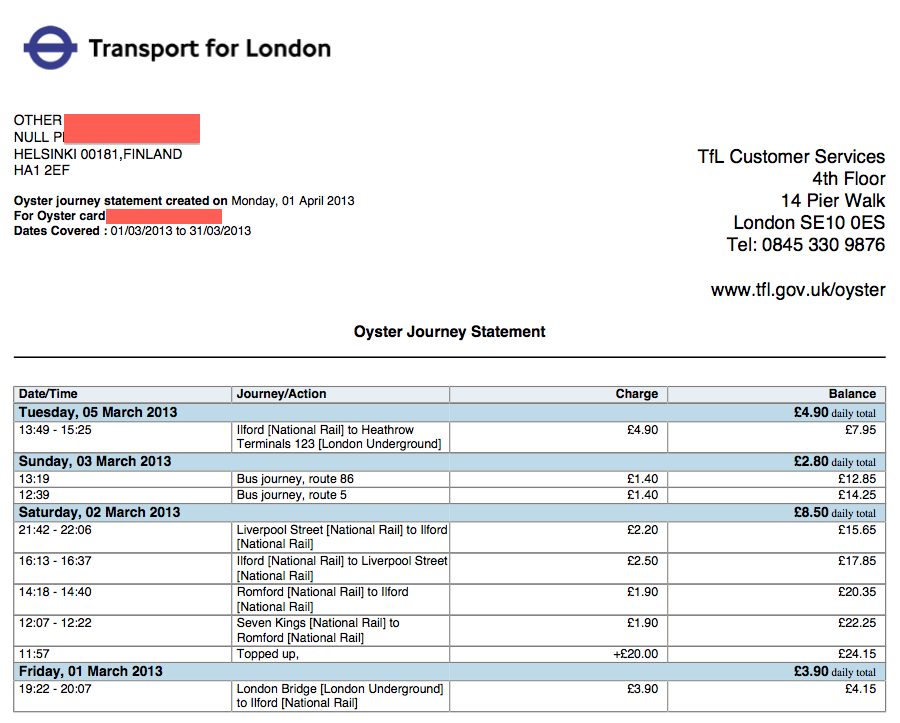
Oyster functions like a stored-value debit card for travel. Passengers touch the card on electronic readers when boarding or when entering and exiting stations so the system can validate the journey and deduct an appropriate fare. On some services, such as buses and trams, only a single touch-in is required because fares are flat; on distance-based services, touching in and out calculates the exact cost. Cards can be topped up at station machines, retail outlets, online or by setting up automatic top-ups tied to a payment method.
Key characteristics
- Pay-as-you-go balance and the ability to load time-limited passes or travelcards for specific zones and durations.
- Daily and sometimes weekly fare capping—after a threshold of travel, further journeys within the period become free up to the cap.
- Compatibility with a broad range of transport modes, including some river boat services and certain National Rail routes within London boundaries.
- Options for online management, auto top-up and refunds for unused credit or lost cards under certain conditions.
The card size and shape are similar to a standard credit or debit card, and it uses contactless radio technology for rapid tap-and-go transactions. Oyster was introduced to reduce demand on ticket offices, cut paper ticket use and deliver lower fares compared with occasional cash payments.
History and development
Oyster was launched to the public in stages starting in the early 2000s and was progressively rolled out across London's transport network. During its rollout the system added features such as online top-up, season ticket storage and expanded retail availability. Within a few years of introduction it became the dominant method of payment for journeys operated by Transport for London, with tens of millions of cards issued and a large majority of journeys made using the system.
Uses, benefits and distinctions
Regular commuters and visitors benefit from lower fares, faster boarding and the convenience of carrying a single payment medium for multiple transport types. Oyster differs from bank contactless cards and mobile contactless payments in that it is a stored-value pre-paid product managed by the transport authority; contactless bank cards provide similar tap-and-go convenience but are charged to the user’s bank account and may use different fare rules or fare capping. Travelers often choose Oyster for multi-day stays, season passes or when they prefer pre-loading credit for several trips.
Notable facts and practical tips
Over time Oyster's role has evolved alongside newer contactless payment options, but it remains an important, cost-effective choice for many passengers. New users should register their card to protect balances and enable refunds if lost, check zone maps and fare rules before travel, and be aware that some special services or stations may require specific validation procedures. For official guidance, schedules and top-up services consult central transport information, customer help at stations or digital support channels such as online accounts and ticketing FAQs. Additional resources include information on technical compatibility and accepted routes available from rail operators and service guides at river services, national rail partners and local tram or DLR pages. For historical context and policy details see transport authority reports and summaries at fare policy and funding pages; visitor-specific guidance is offered on designated visitor pages visitor Oyster and travelcard comparisons Travelcard options. For customer service, refunds and registered card management use the official contact channels listed under support.
Questions and answers
Q: What is an Oyster card?
A: The Oyster card is a form of electronic ticketing used on public transport services within London. It is a contactless smart card which passengers must touch onto an electronic reader when entering and leaving the transport system in order to validate it or deduct funds.
Q: What types of travel can be paid for with an Oyster card?
A: An Oyster card can be used on a number of different travel systems across London including London Underground, buses, the Docklands Light Railway (DLR), London Overground, trams, some river boat services and most National Rail services within the London Fare Zones.
Q: How does one add value to their Oyster card?
A: The cards may be "recharged" in person from numerous sales points, by recurring payment authority or by online purchase.
Q: Why should people use an Oyster Card?
A: Use is encouraged by offering substantially cheaper fares on Oyster than payment with cash.
Q: When was the first Oyster Card issued?
A: The first Oyster Card was issued to the public in July 2003 with a limited range of features.
Q: How many people have been issued an oyster card as of June 2010?
A: By June 2010, over 34 million Oyster cards had been issued.
Related articles
Author
AlegsaOnline.com Oyster card — London’s contactless public transport smart card Leandro Alegsa
URL: https://en.alegsaonline.com/art/73841
Sources
- tfl.gov.uk : "What is Oyster?" · web.archive.org
- london.gov.uk : "Mayor to give away 100,000 free Oyster cards"
- corporate.visitlondon.com : "New deal with Visit London and Superbreak makes Oyster even more convenient" · web.archive.org