
1874
1874: a year of political change, cultural milestones (first Impressionist exhibition, Hardy's novel), imperial encounters (Japan's Taiwan expedition), and notable births including Winston Churchill and Harry Houdini.
Overview
1874 was a year in the 19th century marked by political shifts in Europe and the United States, growing industrial and imperial activity, and important cultural developments in art and literature. The decade following the revolutions and wars of mid-century continued to see rapid social and economic change as nations consolidated modern institutions.
Image gallery
10 Images





Politics and international events
Electoral and diplomatic changes shaped 1874. In the United Kingdom the general election returned Benjamin Disraeli's Conservative Party to power, displacing William Gladstone's Liberals. In the United States the economic downturn that began with the Panic of 1873 influenced the 1874 midterm elections, where Democratic gains signaled popular discontent with the Republican administration. Abroad, Japan undertook a military expedition to Taiwan in response to earlier incidents involving Ryukyuan sailors, an episode that reflected Japan's emerging role in regional affairs.
Science, culture and publishing
1874 is notable culturally for the first group exhibition of artists who later became known as the Impressionists. Painters including Claude Monet, Pierre-Auguste Renoir and others showed works in Paris; the critic's label "Impressionism" derived from Monet's painting Impression, Sunrise. In literature, Thomas Hardy published the novel Far from the Madding Crowd, which helped secure his reputation. These developments signaled changing tastes in art and fiction as modernism began to take shape.
Notable events and people
- First collective exhibition associated with Impressionist painters in Paris (spring 1874).
- UK general election returns a Conservative government under Disraeli.
- Japan's 1874 expedition to Taiwan, an early instance of its overseas military action.
- Thomas Hardy's Far from the Madding Crowd published.
Notable births and deaths
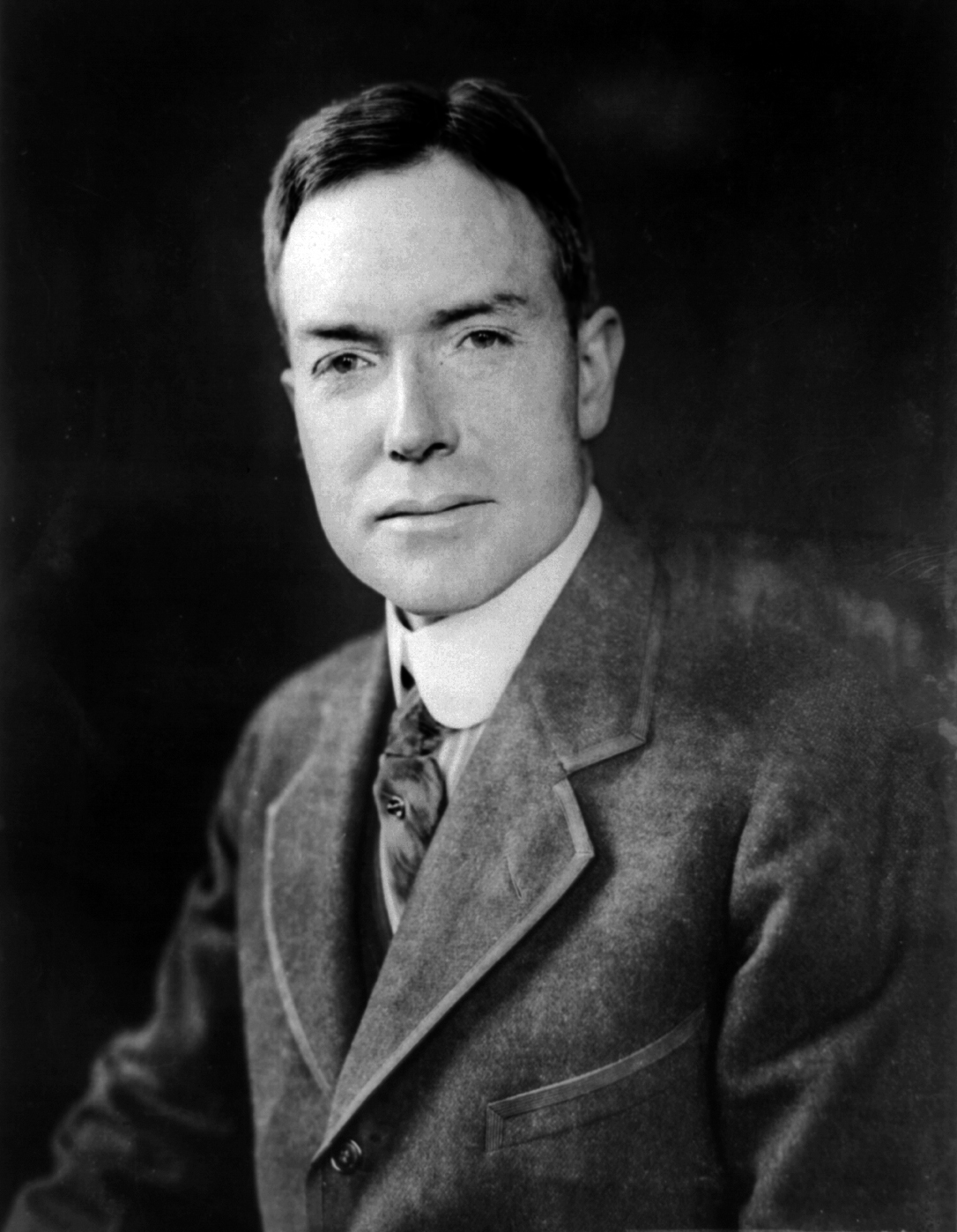
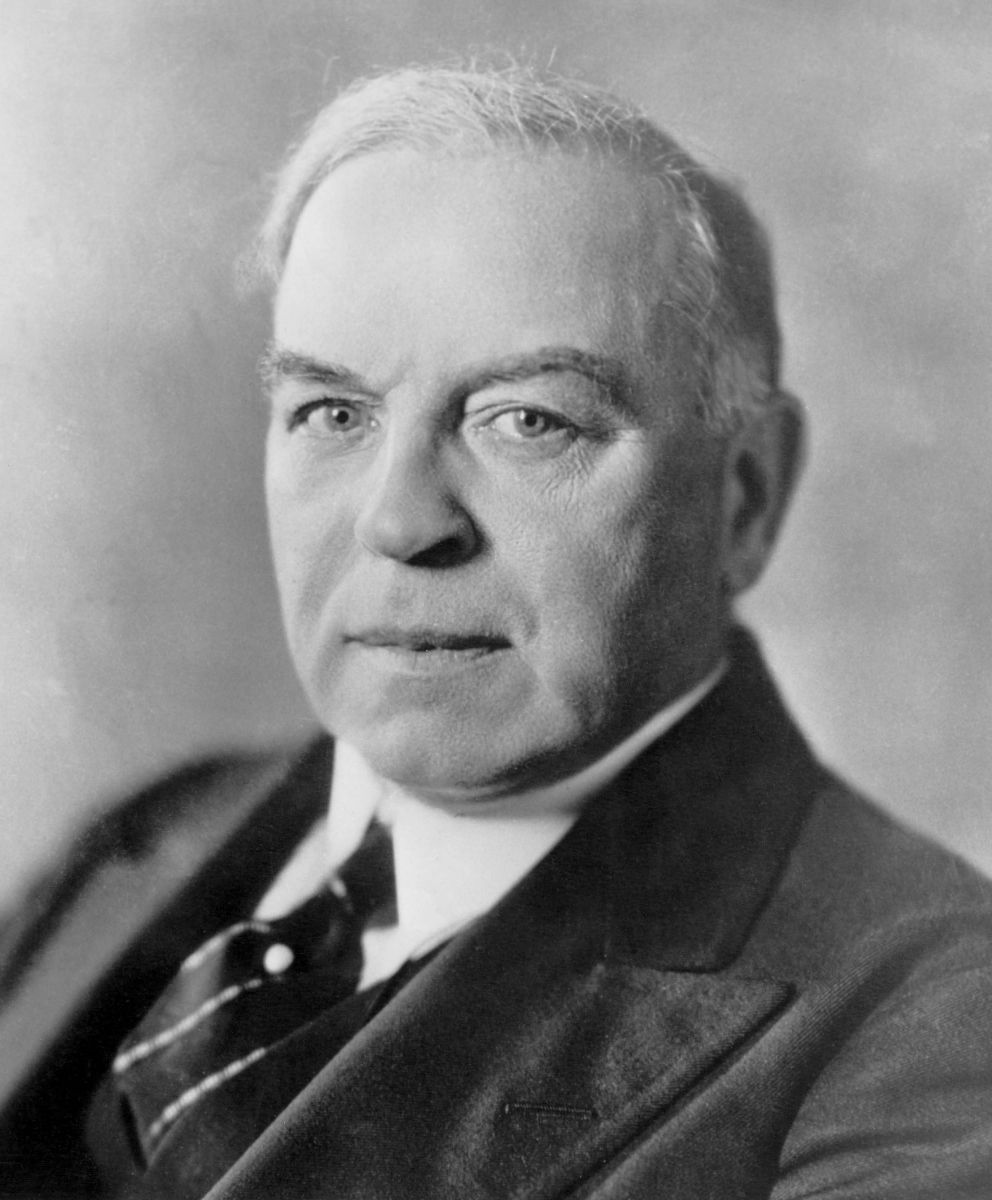
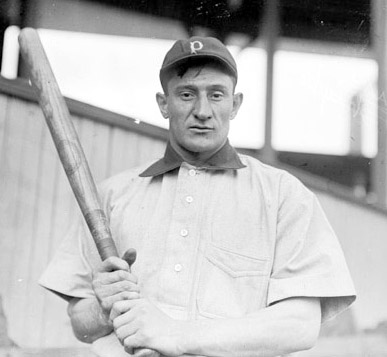
Several influential figures were born in 1874. Among them were Winston Churchill, who would become a prominent British statesman; Harry Houdini, the Hungarian-born illusionist and escapologist; and composer Gustav Holst. Public life of the later 20th century would be shaped by people born in this year. The year also saw the passing of various regional figures in politics, science and the arts, reflecting the continuous generational change of the period.
Legacy
While not dominated by a single transformative event, 1874 illustrates wider late-19th-century trends: electoral realignments in established democracies, Japan's rise as a regional power, and critical shifts in artistic practice that anticipated modern art. The combinations of political, cultural and social developments in 1874 contribute to its place in the larger story of modernization and global interaction.
Related articles
Author
AlegsaOnline.com 1874 Leandro Alegsa
URL: https://en.alegsaonline.com/art/111841