
Osroene (Kingdom of Edessa)
Osroene, centered on ancient Edessa (modern Şanlıurfa), was a small Syriac-speaking kingdom on the Roman–Parthian frontier noted for its early adoption of Christianity and its role in Syriac culture.
Overview
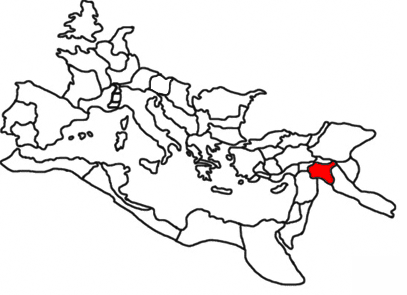
Osroene (also spelled Osrohene or Osrhoene) was a small kingdom in Upper Mesopotamia whose capital was the city commonly called Edessa. The name appears in Greek sources as Όσροηνῆ and in Syriac records as ܡܠܟܘܬܐ ܕܒܝܬ ܥܣܪܐ ܥܝܢܐ. Located at the crossroads of Anatolia, Syria, and Mesopotamia, Osroene occupied a strategic position between the great powers of the ancient Near East and survived as a semi‑independent polity roughly from the Hellenistic age into the third century CE.
Image gallery
10 Images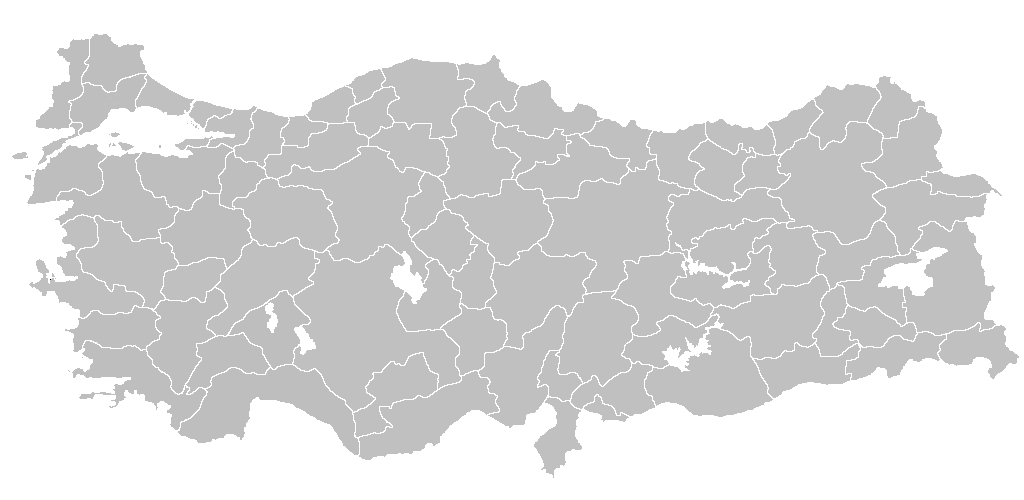



Geography and society
The kingdom centred on Edessa (today Şanlıurfa), an urban hub on trade and caravan routes that linked the Mediterranean with the Mesopotamian interior and the Iranian plateau. Osroene lay on the frontier area now shared between modern Turkey and Syria. Its population spoke a western dialect of Aramaic, later known as Syriac, and its culture reflected a mix of local Semitic traditions, Hellenistic influences and contacts with neighboring Iranian (Parthian) and Roman worlds.
History and political status
Established in the Hellenistic period, Osroene maintained varying degrees of autonomy while balancing the ambitions of larger neighbors. It frequently acted as a buffer or client state between the Parthian and Roman spheres of influence. The ruling house—known from later sources by the dynastic name often rendered as the Abgarids—ruled from Edessa for several centuries. The kingdom's independent dynasty continued until the middle of the third century CE, when its political autonomy ended and it was progressively brought under direct Roman administration.
Religion, literature and culture
Osroene is particularly notable for its association with early Syriac Christianity. According to longstanding tradition, a king of Edessa commonly called Abgar V corresponded with and accepted the teachings of Jesus through the missionary Thaddeus (also known as Saint Addai); such accounts made Edessa an emblematic early Christian court. While these stories are part of ecclesiastical tradition rather than contemporary proof, they reflect the genuine role the city played as a center for Syriac Christian thought, translation and literature.
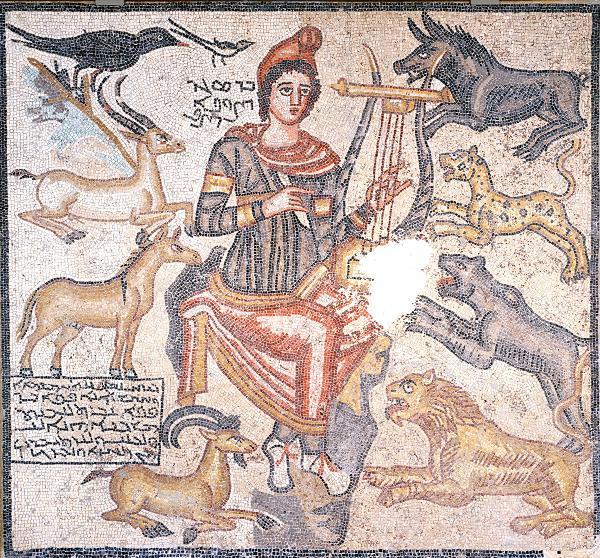
Edessa became a major seat for theological study and translation: Greek works of philosophy and scripture were rendered into Syriac, and the city produced biblical translations and theological writings that influenced Eastern Christianity. The Syriac language spoken there became a major literary and liturgical medium across the Syriac churches.
Legacy and significance
- Early Christian heritage: Edessa is remembered in Christian tradition as an early Christian capital and a base for missionary activity (see tradition).
- Cultural crossroads: the kingdom illustrates how local Aramaic-speaking communities adopted and adapted Hellenistic, Iranian and Roman elements.
- Literary contribution: the school and scriptoria of Edessa aided the survival and spread of Syriac literature and biblical translations.
After its absorption by larger empires, Edessa continued to be an important urban and religious center under Roman, Byzantine and later Islamic rule, leaving a layered archaeological and textual legacy that scholars still study to understand the history of the Near East and early Christianity.
For further reading on names, sources and surviving texts related to the kingdom and its capital, see the linked references above and specialized studies of Syriac culture and Roman–Parthian frontier states.
Related articles
Author
AlegsaOnline.com Osroene (Kingdom of Edessa) Leandro Alegsa
URL: https://en.alegsaonline.com/art/73402
Sources
- aina.org : "Assyrian Identity in Ancient Times and Today"
- books.google.com : The Revival of Spiritual Healing, by Barsom J. Kashish, 2002, p. 217
- jaas.org : jaas.org
- links.jstor.org : links.jstor.org