
Osoyoos, British Columbia
Osoyoos is a small town in southern British Columbia's Okanagan Valley, known for its warm, dry climate, vineyards, Osoyoos Lake, Indigenous heritage and cross‑border location near Washington state.
Overview
Osoyoos is a small town in southern British Columbia, Canada, located in the southern Okanagan Valley near the border with Washington state. The town sits beside Osoyoos Lake and is widely recognised for its warm, dry climate within a largely semi‑arid region. The permanent population was around 5,200 residents in the early 2010s, with seasonal increases from tourism and summer visitors.
Image gallery
4 Images


Geography and climate
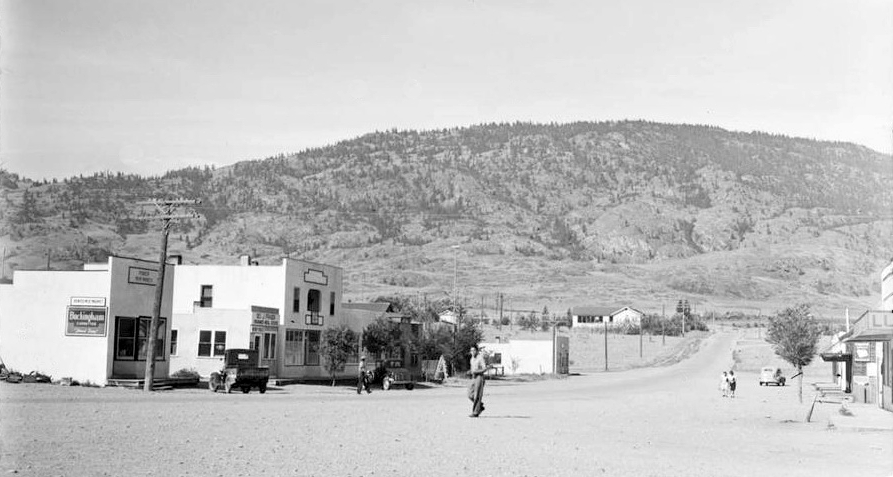
Positioned in a valley basin, Osoyoos experiences milder winters and hot, sunny summers compared with much of Canada. The surrounding landscape includes rolling hills, vineyards and orchards. The area is often described as one of Canada's warmest and driest inhabited regions, and the lake is a focal point for boating, swimming and lakeside recreation.
History and culture
The region has long been home to the Syilx (Okanagan) peoples; the local Indigenous community remains an important presence, including the Osoyoos Indian Band and the Nk'Mip (pronounced "in‑kh'meep") lands and cultural centre. European settlement brought orchards and later viticulture; over the 20th century the town developed as an agricultural and resort community.
Economy and attractions
Tourism, agriculture and wine production are principal economic drivers. Visitors come for beaches, wineries, hiking and local festivals. Notable local features include Osoyoos Lake, several boutique wineries, and interpretive cultural sites. Examples of activities and attractions include:
- Wines and vineyard tours
- Lakeside parks, beaches and water sports
- Indigenous cultural exhibits and guided experiences
- Fruit orchards and farmers' markets
Notable facts and links
The town's name is pronounced commonly as "OH‑soy‑oos" and occasionally heard as "soy‑oos" in older sources. Osoyoos attracts visitors for its distinctive climate and cross‑border position. A number of people from the town have gained wider recognition — for example, NHL player Chuck Kobasew was born there. For official information see the town website (Osoyoos) or regional pages for the province (British Columbia) and valley resources (Okanagan Valley). Additional local cultural and tourism resources are available through Indigenous and visitor organisations (local links).
Related articles
Author
AlegsaOnline.com Osoyoos, British Columbia Leandro Alegsa
URL: https://en.alegsaonline.com/art/73400