
Osip Mandelstam: life, poetry, and legacy
Overview of Osip Mandelstam, a major Russian poet and essayist: biography, stylistic traits, major works, persecution under Soviet rule, and his enduring influence on 20th‑century literature.
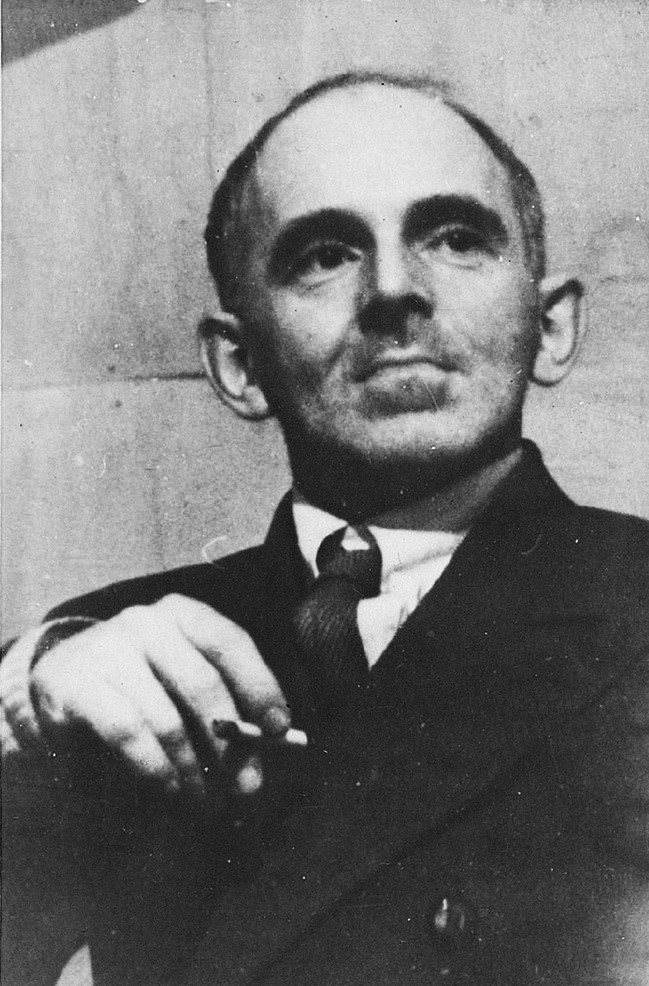
Osip Emilyevich Mandelstam (1891–1938) is widely regarded as one of the most important Russian poets of the early twentieth century. His short, densely allusive lyrics and essays combined classical references, keen musicality, and moral urgency. Though his work won praise from fellow writers, his refusal to conform to Soviet demands exposed him to official repression that shaped the final decade of his life.
Image gallery
4 Images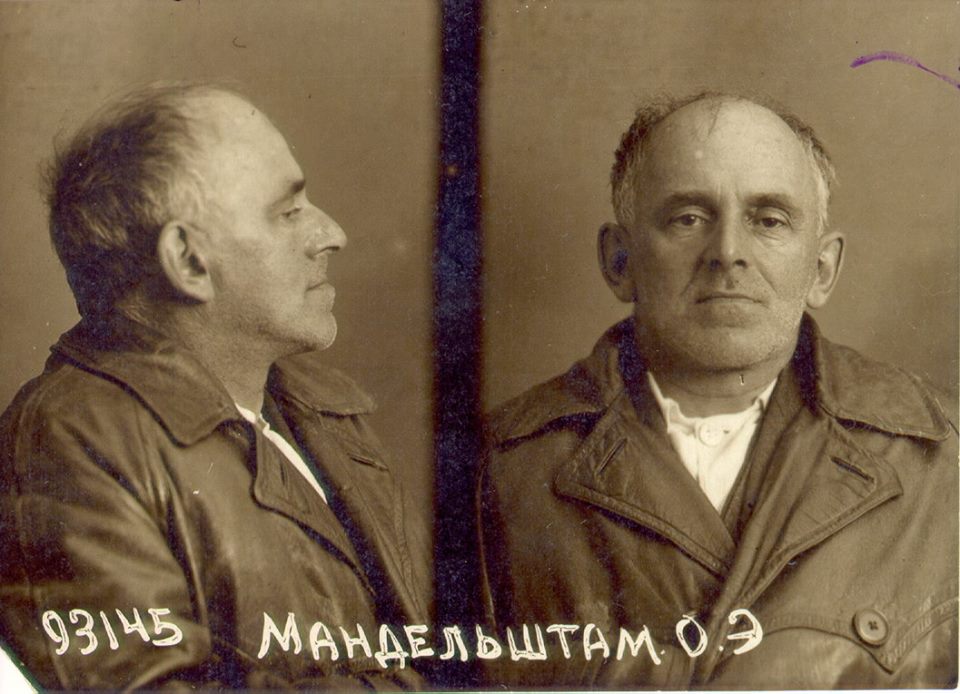


Early life and education
Mandelstam was born into a prosperous Jewish family in Warsaw and raised in an educated, multilingual environment. He attended the prestigious Tenishevsky school in Saint Petersburg, an institution that numbered other notable cultural figures among its alumni. Young Mandelstam published his first poems in a school almanac and pursued higher studies abroad for a time, visiting centers such as the Sorbonne and the University of Heidelberg before returning to St. Petersburg to continue his education.
During these years he moved in literary circles and helped found a writers’ association known as the "Poets' Guild" (Tsekh Poetov). The group gathered poets interested in clarity of form and craft and stood in contrast to some strains of symbolist vagueness. Mandelstam’s early formation is best understood against this background of formal renewal and intense debate about poetry’s social role.
Style, themes, and major works
Mandelstam’s poetry is associated with the Acmeist impulse: an emphasis on precision, concrete imagery, and classical models. His verse often compresses large associative worlds into compact lines, relying on myth, history, and personal observation. Important collections and pieces from different stages of his career include early lyric cycles and later works such as the Berlin‑published Tristia. He also wrote essays and short prose, including meditative pieces that blend literary criticism, memoir, and cultural history.
Besides original composition, Mandelstam made a substantial contribution as a translator and critic. In the 1920s he produced essays that examined literary traditions and the passage of time in culture, and he turned repeatedly to the task of bringing foreign poetry into Russian. For several years he devoted more time to prose, literary journalism, and translation than to composing new poems.
Confrontation with Soviet power and final years
In the 1930s Mandelstam’s independence of spirit brought him into conflict with the authorities. A verse piece directed at the Soviet leadership circulated orally and in manuscript form and led to punitive measures. Over the mid‑1930s he experienced surveillance, arrest, and internal exile. Arrests and forced relocations disrupted his work and life; he spent his last years under penal restriction and died in custody in 1938.
His wife, Nadezhda Mandelstam, played a crucial role in preserving his manuscripts and in later reconstructing his biography and literary achievement through memoirs she published after the war. Her testimony has been essential to understanding both the poems themselves and the ways in which repressive politics erased or scattered the evidence of many writers’ labors.
Legacy and significance
Critics and readers value Mandelstam for the formal mastery of his verse and for the ethical clarity that runs through his work: an insistence that language and memory matter in the face of political violence. After his death his reputation grew steadily; posthumous editions, critical studies, and translations brought his voice to new generations. Today he is often taught alongside other major Russian modernists and studied as a model of lyrical compression and moral resistance.
Selected facts
- Birth and background: born in Warsaw to a well‑to‑do family; formative schooling at Tenishevsky school.
- Education abroad: brief periods of study in Paris and Heidelberg are part of his early biography; his moves are often discussed in accounts of his intellectual development (Paris, Heidelberg).
- Literary alliances: co‑founder of the Poets’ Guild with younger Acmeists and linked to figures such as Gumilyov and Gorodetsky (Poets' Guild).
- Major publications: early collections and the Berlin‑printed Tristia; notable prose such as essays collected under titles translated as "The Din of Time" and short pieces like "The Egyptian Stamp" (Tristia, Essays).
- Professional work: active as a translator and literary correspondent in the 1920s, producing numerous translations and reviews (translations).
- Persecution: composition of a satirical epigram about the Soviet leadership drew official wrath and led to arrests and exile in the 1930s (Stalin Epigram).
- Preservation of manuscripts: his wife Nadezhda safeguarded many poems and later published influential memoirs that shaped his posthumous reputation (Nadezhda Mandelstam).
- Death and remembrance: died in custody in 1938; subsequent rehabilitation of his work and growing international recognition have made him central to studies of Soviet literature (legacy).
- Study and translation: numerous editions and translations exist in several languages, making his work accessible beyond Russian readers (translations and editions).
- Influence: considered a model of concentrated lyricism and moral courage by later poets and scholars (influence).
- Archives and research: archival materials, letters, and critical commentary remain important resources for ongoing scholarship (archives).
- Commemorations: his life and work are marked by monuments, commemorative events, and sustained academic interest (commemorations).
- Further reading: introductions and collected volumes offer accessible entry points for new readers (further reading).
Mandelstam’s reputation rests on the intensity and craft of his writing, and on the determined efforts of those who preserved and promoted his poems after his death. Though the political circumstances of his life curtailed his output and caused suffering, his poems continue to be read for their formal daring and ethical pressure on language itself.
Questions and answers
Q: When was Osip Emilyevich Mandelstam born?
A: Osip Emilyevich Mandelstam was born on January 15, 1891.
Q: What school did he attend in 1900?
A: In 1900, Mandelstam attended the prestigious Tenishevsky school.
Q: Where did he go to continue his education in 1911?
A: In 1911, Mandelstam converted to Methodism and entered the University of St. Petersburg to continue his education.
Q: What year did he arrive in Moscow with his newlywed wife Nadezhda?
A: Mandelstam arrived in Moscow with his newlywed wife Nadezhda in 1922.
Q: What type of work did he do for a living during this time period?
A: During this time period, Mandelstam worked as a translator and correspondent for a newspaper.
Q: When did he die?
A: Mandelstam died on December 27, 1938 while in prison.
Related articles
Author
AlegsaOnline.com Osip Mandelstam: life, poetry, and legacy Leandro Alegsa
URL: https://en.alegsaonline.com/art/73377
Sources
- aalto.vbg.ru : www.aalto.vbg.ru
- jewishgen.org : www.jewishgen.org
- commons.wikimedia.org : Osip Mandelstam