
August Strindberg
Swedish playwright, novelist, poet and artist whose experimental dramas and psychological realism reshaped modern theatre and influenced 20th-century literature and performing arts.
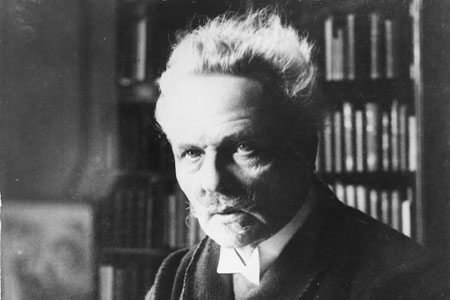
August Strindberg (22 January 1849 – 14 May 1912) was a Swedish writer and artist, born and died in Stockholm. He produced novels, plays, essays, poems and paintings across a turbulent career. Strindberg is widely regarded as a key figure in the transition from 19th‑century realism and naturalism toward more subjective, expressionistic forms of drama.
Image gallery
10 Images


Life and career
Strindberg began writing in the 1870s and gained early recognition for novels that critiqued Swedish society. His career spanned journalism, fiction, and theatre; periods of personal crisis shaped both his themes and public reputation. He lived and worked in several European cities, experimenting with new literary forms and stage techniques while maintaining a prolific output until his death in 1912.
Literary themes and style
His work blends social criticism, psychological analysis and symbolic imagery. Strindberg explored class conflict, gender relations, the subconscious, and spiritual doubt. Stylistically he moved from naturalist depictions of everyday life to increasingly fragmented, dreamlike structures that anticipated expressionism and modernist drama.
Major plays and innovations
- The Red Room (novel) and early realist works that satirized bureaucracy and hypocrisy.
- Plays such as Miss Julie, The Father and A Dream Play, notable for their psychological intensity and stage experimentation.
- He introduced new approaches to staging, character interiority and dramatic structure that influenced later playwrights and directors.
Strindberg also wrote chamber pieces, essays on theatre theory and autobiographical writings that document his intellectual struggles. His so‑called "Inferno" period involved occult interests and intense self‑analysis, which informed several late works.
Artistic legacy
Beyond literature, Strindberg produced paintings, drawings and experiments in photography. His influence is evident in modern European theatre: directors, actors and dramatists drew on his psychological realism and symbolic methods. Today his plays remain frequently produced and studied for their innovation, emotional directness and challenging exploration of human motives.
For further reference on his life and works consult general literary histories and specialized studies of modern drama. Representative primary titles and analyses are available in many translations and critical editions worldwide.
Tags
Related articles
Author
AlegsaOnline.com August Strindberg Leandro Alegsa
URL: https://en.alegsaonline.com/art/7323
Sources
- gutenberg.spiegel.de : "August Strindberg Leben und Werk - Projekt Gutenberg"
- google.de : "August Strindberg - Google Search"