
Alejandro Jodorowsky: filmmaker, playwright, comic author and spiritual artist
Overview of Alejandro Jodorowsky’s life and work: his avant-garde films, comic collaborations, theatrical roots, psychomagic practice, major works and cultural influence.
Alejandro Jodorowsky Prullansky (1929–2022) was a Chilean-born creative whose career crossed film, theatre, comics, literature and spiritual practice. He became internationally known for provocative, surreal cinema and for a broad body of work that blends ritual, allegory and personal myth. Jodorowsky is often discussed in histories of cult and experimental film for his willingness to combine shocking imagery with esoteric themes and therapeutic ideas.
Image gallery
4 Images


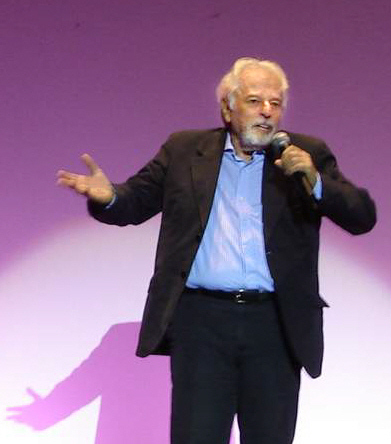
Major works and film style
Jodorowsky’s best-known films include El Topo and The Holy Mountain, which established his reputation in the early 1970s, followed by later features such as Santa Sangre and the more commercial The Rainbow Thief. These films are frequently described as avant-garde for their non‑linear narratives, theatrical staging, symbolic tableaux and intense visual composition. Critics and fans point to recurring concerns: initiation, transformation, power structures, mysticism and ritualized violence.
Characteristics and recurring themes
- Bold, surreal imagery and dream logic rather than conventional plot.
- Frequent use of religious and alchemical symbolism to explore personal and social transformation.
- Mixes theatrical techniques with cinematic mise‑en‑scène.
- Interest in healing and creativity as active, often confrontational processes.
Early life and career development
Born in Tocopilla, Chile, Jodorowsky worked in theatre, poetry and mime before moving into film and comics. He spent parts of his career living and working in Latin America and Europe, developing a reputation for experimental theatre productions and later for feature films that challenged mainstream expectations. Over decades he collaborated with visual artists, actors and writers to produce works that deliberately blurred genre boundaries.
Comics, books and spiritual practice
Aside from cinema, Jodorowsky wrote novels, plays and a significant body of graphic storytelling. He is known for collaborations with prominent illustrators, producing longform comic cycles that fused science fiction, myth and metaphysics. Parallel to his artistic output, he developed ideas about therapeutic performance and symbolic acts—sometimes called psychomagic—and gave spiritual counsel and tarot readings. His writings on these topics and his autobiographical reflections have been published and adapted into his later films.
Legacy, influence and reception
Jodorowsky remains a polarizing figure: hailed by devotees as a visionary and criticized by others for extremes of provocation. His influence is visible among filmmakers, comic artists and avant‑garde practitioners who cite his blending of image, ritual and narrative. While some of his projects met with commercial failure, several works achieved cult status and continue to be discussed in film studies and popular culture discourse.
Selected highlights
- Theatre and early experiments that led to cinematic work
- El Topo (early landmark film)
- The Holy Mountain (noted for its ritual imagery)
- Avant‑garde filmmaking and cult cinema circulation
- Cult following and midnight‑movie popularity
- Surreal and symbolic imagery central to his aesthetic
- Mysticism and spiritual practice including tarot and psychomagic
- Birthplace: Tocopilla, Chile and international career
For readers interested in exploring Jodorowsky’s work, several of his films and graphic novels are entry points to the recurring motifs and methods that define his career: a persistent search for transformation through image, ritual and storytelling.
Tags
Related articles
Author
AlegsaOnline.com Alejandro Jodorowsky: filmmaker, playwright, comic author and spiritual artist Leandro Alegsa
URL: https://en.alegsaonline.com/art/2253
Sources
- books.google.com : El libro de la sabiduria – Daniel Ramos – Google Libros
- planocreativo.wordpress.com : "¡Feliz cumpleaños!"
- planocreativo.wordpress.com : "Alejandro Jodorowsky: ¡Gracias infinitas mis queridos amigos!"
- ccaa.elpais.com : "Jodorwsky vs. Adanowsky"
- youtube.com : "Entrevista a Alejandro Jodorowsky"
- archive.sensesofcinema.com : "Alejandro Jodorowsky"