
Authors of the Bible: traditions, composition, and scholarly perspectives
Survey of how biblical books acquired authorial attributions, differences between traditional claims and modern scholarship, common categories of authorship, and why debates matter.
The Bible is not a single book by one hand but a library of writings produced and collected over many centuries. Its individual books bear names of persons—Moses, David, Isaiah, Paul—that became traditional ascriptions of authorship. These attributions shaped how communities read and preserved the texts, even when the process that produced each book was complex and extended.
Image gallery
8 Images
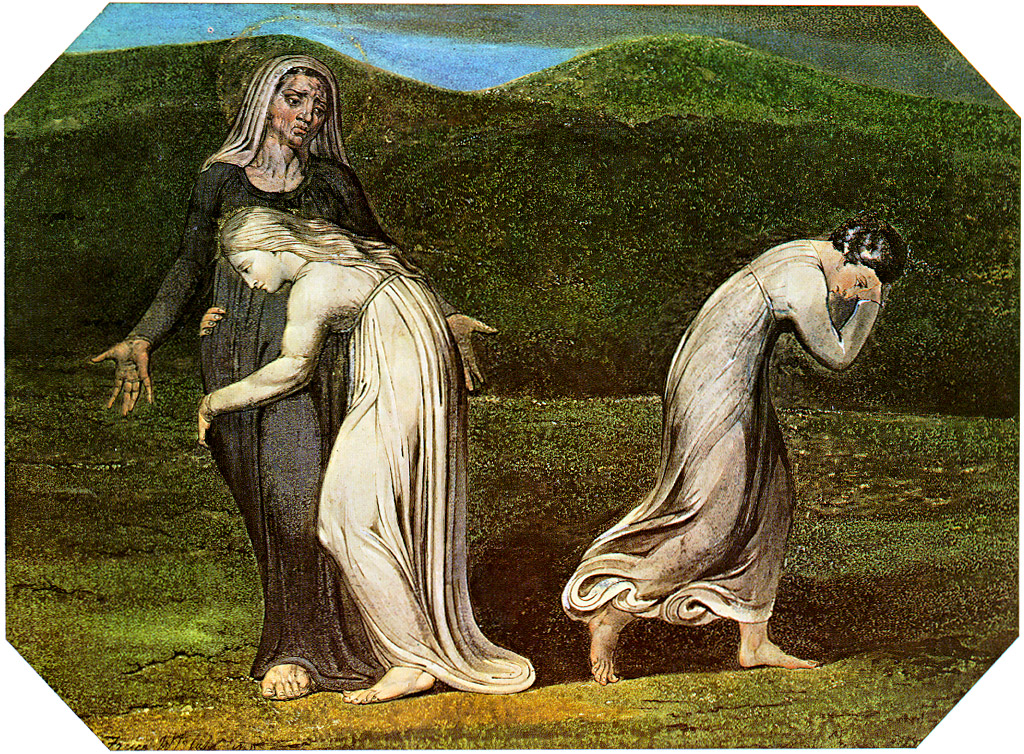


Languages, dates, and modes of composition
The books of the Bible were written in Hebrew, with portions in Aramaic, and in ancient Greek for the New Testament. They span a long period, from the era of early Israelite literature to the first centuries of the common era. Composition often combined oral traditions, poetic and liturgical material, legal codes, and prose narratives. Scribes, teachers, and community editors played important roles in shaping the final written forms.
Traditional attribution versus modern scholarship
Religious tradition assigns many books to named figures: for example, the Pentateuch to Moses, many psalms to David, and the letters of the New Testament to apostles such as Paul. Modern critical scholarship distinguishes between tradition and historical authorship. In some cases, internal evidence and historical-critical methods suggest composite origins, editorial layers, or later additions. For example, debates exist about the composition of the Pentateuch and the precise authorship of several epistles.
Common categories of biblical authorship
- Single attributed author: books traditionally linked to one figure (e.g., Isaiah, Jeremiah), though they may contain material from multiple periods.
- Collective or anonymous composition: many prophetic books, wisdom literature, and some historical works were shaped by schools or communities rather than a single author.
- Redaction and editorial activity: editors compiled earlier sources into a final text.
- Pseudonymous works: texts that present a famous name as author but were likely written later by others; discussions about some epistles fall here.
Examples illustrate these categories. The first five books of the Hebrew Bible are traditionally called the Pentateuch and attributed to Moses, yet many scholars identify multiple source strands and editorial stages. The book of Psalms preserves poems by named figures and anonymous songs collected over generations. The four Gospels were circulated under the names Matthew, Mark, Luke and John, though their precise origins include oral tradition, community memory, and later attribution.
Questions about the New Testament authorship are frequent. The Pauline epistles include letters widely accepted as written by Paul the Apostle and others whose Pauline authorship is disputed. The role of secretaries or amanuenses is documented in the letters themselves and in early reports, complicating the idea of a single authorial hand. Scholars also debate the authorship of the Johannine writings and the Book of Revelation.
Understanding who wrote the biblical books matters for interpretation, history, and theology. Authorship affects dating, historical context, and the authority communities ascribe to a text. Readers should note that "authorship" in the biblical context can mean original composition, redactional shaping, or communal endorsement. For overviews and further reading see resources on the formation of biblical canons and textual history such as introductions to the books and studies of early Christian letters referring to figures like Paul.
For in-depth study consult introductory surveys that compare traditional attributions with contemporary scholarship and examine how communities preserved and transmitted these writings through copying, liturgy, and teaching. Modern scholarship combines linguistic, historical, and literary methods to trace the complex processes behind each book's emergence and reception in religious history.
Related articles
Author
AlegsaOnline.com Authors of the Bible: traditions, composition, and scholarly perspectives Leandro Alegsa
URL: https://en.alegsaonline.com/art/7576