
Audio mixer: functions, components, history and applications
Comprehensive overview of audio mixers: signal flow, channels, preamps, EQ, buses, analog vs digital designs, and common uses in live sound, studio recording, broadcasting and streaming.
Overview
An audio mixer is an electronic device that combines, routes and adjusts multiple audio signals into one or more outputs. Mixers are central to sound reinforcement, recording, broadcasting and multimedia production because they let an operator balance levels, shape tone and control the spatial placement of each input. Typical inputs include microphones, instruments, playback devices and line-level sources; an example term for these is audio sources.
Image gallery
10 Images

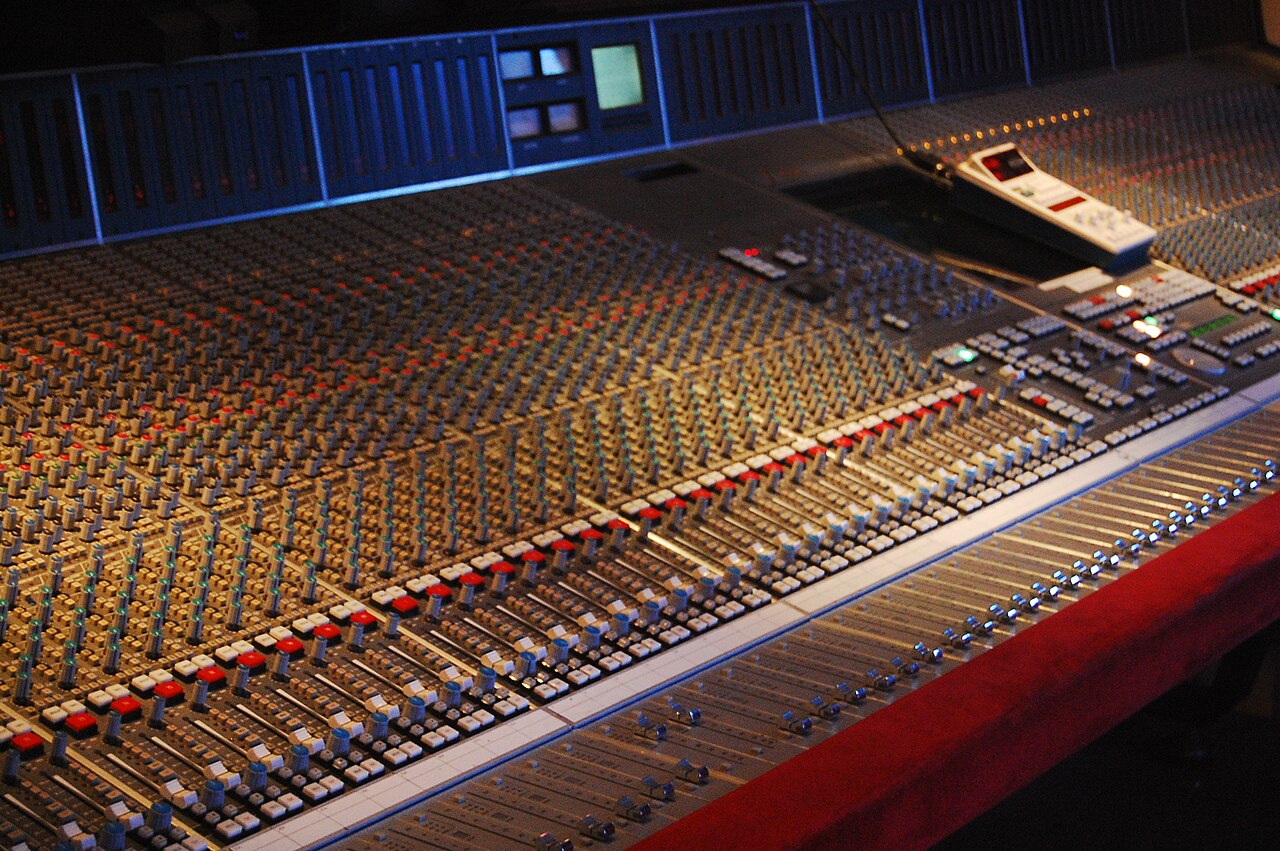



Main components and signal flow
Every mixer organizes audio into channels. Each channel usually provides:
- Gain/preamplifier: A mic preamp to boost low-level microphone signals to line level; many mixers include dedicated preamps with adjustable gain.
- Equalization (EQ): Controls to shape the frequency response, from simple high/low shelving to multi-band parametric EQ.
- Pan and routing: A pan control to position sound in the stereo field and switches or routing to assign channels to buses or groups.
- Fader and mute/solo: A fader for precise level control plus mute and solo buttons for monitoring.
- Aux sends/returns: Separate outputs for monitors, effects, or foldback mixes.
Inputs are commonly offered as balanced connectors to reduce noise; sources can include microphones, electronic instruments, playback devices such as CD or media players, or computer sound cards. For example, many setups connect a microphone and a sound card simultaneously.
Types and notable features
Mixers fall into broad categories: analog and digital. Analog mixers provide hands-on control with voltage-based signal paths. Digital mixers convert signals to digital domain early, allowing recallable scenes, built-in signal processing, and flexible routing. Other distinctions include the number of channels (small personal mixers to large consoles), integrated effects, and dedicated live-sound features like talkback and stage monitoring.
History and development
Mixing consoles evolved from simple radio and film desks into complex live and studio consoles as electronics and recording technology advanced. Early consoles facilitated basic level control, while later designs added multi-band EQ, aux sends, and routing matrices. The advent of digital signal processing expanded capabilities further by integrating compressors, reverbs and automation into a single unit.
Uses and practical examples
Common applications include:
- Live sound reinforcement where the front-of-house engineer balances performers and controls the audience output.
- Studio recording and production, using mixers to create submixes, route signals to outboard gear and print final mixes.
- Broadcast and streaming, employing mixers to manage multiple program feeds, talkback and monitoring.
Important distinctions and tips
Mixing (balancing and processing tracks) is distinct from mastering (finalizing a stereo mix for distribution). Pay attention to gain staging: set each preamp so the signal is strong without clipping. Use aux sends for monitors and effects to preserve the main mix. Simple mixers may only offer global volume control in addition to individual channel levels; more advanced mixers give per-channel metering and digital scene recall.
For further reading on connectors, balanced lines and best practices, consult manufacturer guides and introductory texts on signal flow and live sound engineering. Mixers remain indispensable tools for both technical control and creative shaping of audio.
More on sources | Volume and levels | Microphone types | Interface and sound cards | Preamplifier design
Related articles
Author
AlegsaOnline.com Audio mixer: functions, components, history and applications Leandro Alegsa
URL: https://en.alegsaonline.com/art/7247