
Olympic Flame and Torch Relay
The Olympic Flame is a ceremonial symbol of the Olympic Games, lit in Olympia and carried by a relay to the host city; it represents continuity with ancient Greece and often attracts public attention and controversy.
Overview
The Olympic Flame is a ceremonial fire associated with the modern Olympic Games. It is lit in a ritual at Olympia, Greece, and kept burning until the Games conclude. The flame is carried from Olympia to the host city by a planned relay, and its arrival and ignition of the main cauldron mark the opening ceremony.
Image gallery
10 Images


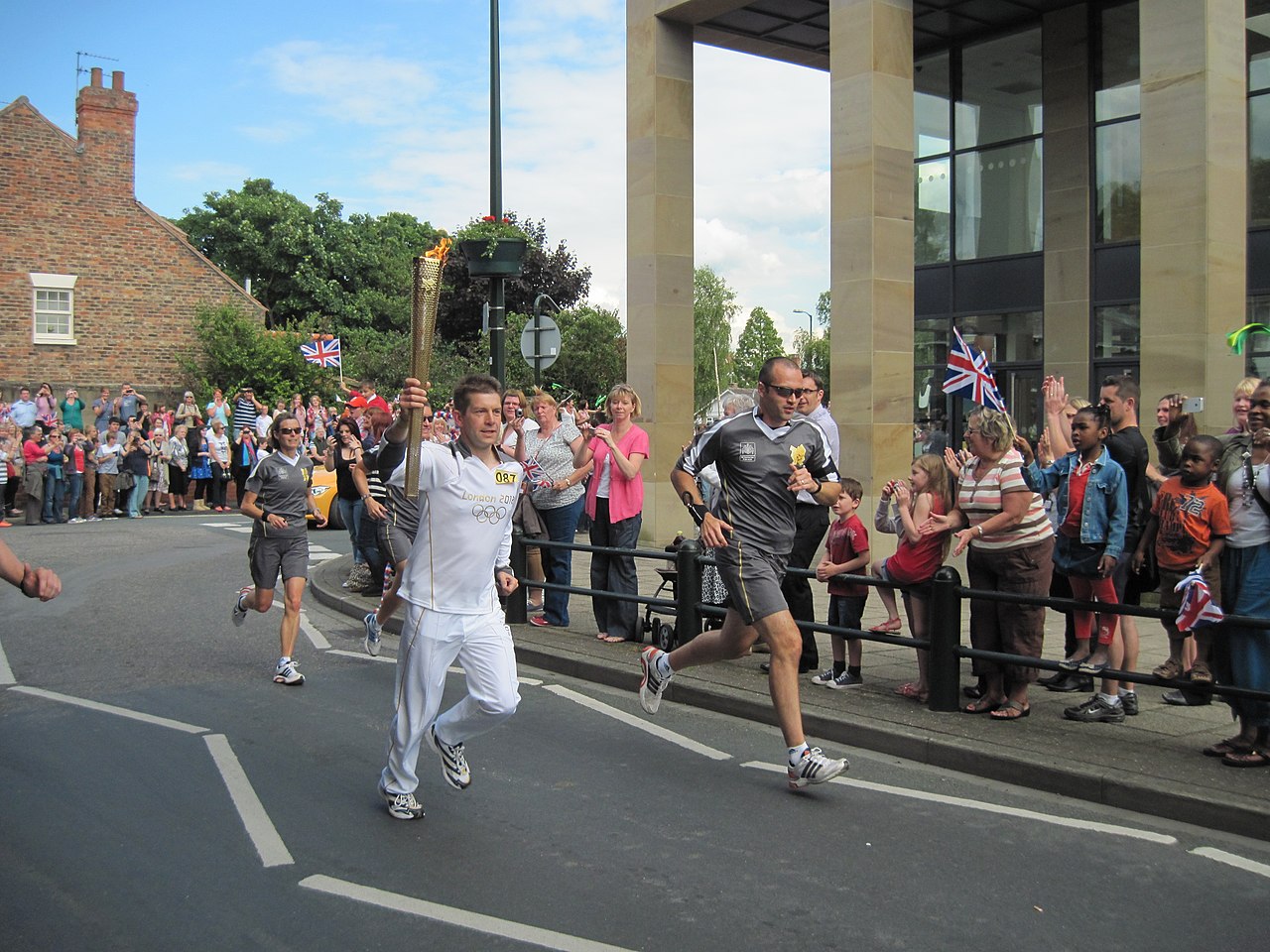


Characteristics and components
The flame itself is symbolic rather than functional: it is a visible link to the ancient festival origins of the Olympics. A torch is a hand-held device designed to burn reliably through varied climates and conditions. Designs vary widely from one Games to the next, often reflecting cultural themes and technical innovation. The relay route and the final cauldron are organised to balance spectacle, safety and logistics.
History and development
Although ancient Greeks maintained sacred fires connected with athletic festivals, the modern practice of lighting a flame at Olympia and transporting it to the host city was introduced in the 20th century. Since then, the relay has evolved into a large-scale public event involving thousands of torchbearers and careful coordination between organising committees, local authorities and broadcasters.
Uses, symbolism and public role
The flame functions as a symbol of continuity, peace and the human striving represented by sport. Torchbearers are often chosen to represent diverse communities, celebrated athletes, volunteers or people with inspiring stories. The relay promotes awareness of the Games and can be used to showcase local culture along the route.
Controversies, protests and notable moments
Because the route passes through cities and public spaces, it can also become a platform for protest or political expression. For example, the 2008 Beijing torch relay drew significant attention and demonstrations. Observers and participants sometimes hold signs or stage events to raise concerns about governments or human rights, as seen in debates around China and Tibet. The flame and the relay therefore blend ceremony with the wider public conversation.
Logistics and notable facts
- The lighting at Olympia typically uses a concentrated sunlight method to symbolically connect with antiquity.
- Torch designs change each edition and may incorporate new fuels or engineering to remain lit in difficult conditions.
- Route planning balances ceremonial goals with security, transportation and community engagement.
For formal descriptions and historical background, see the authoritative pages on the Olympic Flame, its role as a symbol, and the broader context of the Olympic Games.
Related articles
Author
AlegsaOnline.com Olympic Flame and Torch Relay Leandro Alegsa
URL: https://en.alegsaonline.com/art/72455
Sources
- britannica.com : "Britannica on Olympic Flame"