
Oleg Karavaychuk — Soviet and Russian composer and pianist
Oleg Karavaychuk (1927–2016) was a Ukrainian-born Soviet and Russian composer and pianist known for film and theatre scores, unconventional performance persona, and collaborations with Parajanov, Muratova and avant-garde artists.
Oleg Nikolayevich Karavaychuk, often rendered in Cyrillic as Олег Николаевич Каравайчук, was born on December 28, 1927 in Kiev and died June 13, 2016 in Saint Petersburg. He is widely remembered as a composer and pianist whose work bridged the worlds of cinema, theatre and the experimental music scene. Over a career that spanned the late Soviet and post‑Soviet eras, Karavaychuk created a large body of incidental music and concert pieces marked by theatricality and lyricism.
Image gallery
1 Image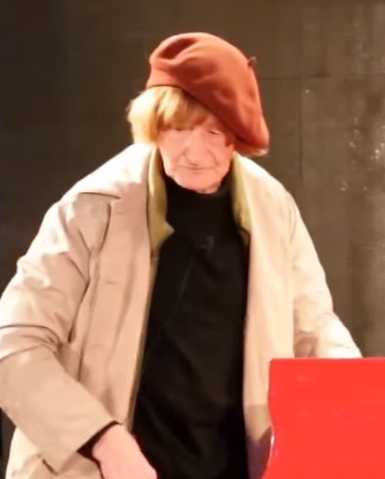
Artistic profile and musical style
Karavaychuk developed a personal idiom that combined training in classical forms with spontaneous, improvisatory gestures. His scores often emphasize mood and character rather than strict melodic repetition, and they can shift abruptly between tenderness and irony. In performance he cultivated an idiosyncratic stage presence — both a solo pianist and a collaborator who preferred intimate, expressive settings to grand orchestral display. Critics and colleagues described his approach as theatrical, intimate and frequently unpredictable.
Career and collaborations
Working as a composer for film and theatre, Karavaychuk produced music for many directors and dramatic productions during the Soviet and Russian periods. He is frequently associated with filmmakers and artists who sought visual or narrative experimentation. Notable collaborators include:
- Sergei Parajanov — influential filmmaker known for poetic, non‑linear cinema
- Vasily Shukshin — writer and director rooted in regional Soviet life
- Ilya Averbakh — director of psychological dramas
- Kira Muratova — director of films such as Brief Encounters and The Long Goodbye
- Contemporary and avant‑garde musicians such as Sergey Kuryokhin
These partnerships placed Karavaychuk at the intersection of mainstream and avant‑garde practice: he composed for conventional narrative films while also engaging with experimental performances and improvised concerts.
Historical context and significance
Active across both the Soviet and Russian periods, Karavaychuk worked within a cultural system that alternated between official commissions and unofficial creative circles. This dual existence — institutional projects alongside underground artistic networks — allowed him to sustain a distinctive voice. His music contributed to the atmosphere of many films and plays, shaping how scenes were perceived and remembered by audiences.
Legacy and notable facts
Karavaychuk is often cited for his unconventional persona: collaborators and listeners recall performances in which theatrical gestures, spoken asides and improvised piano passages blurred the boundary between composer and actor. His scores remain of interest to students of film music and theatre for their economy, expressiveness and emotional immediacy. He continues to be studied as an example of a composer who worked flexibly across media and stylistic boundaries.
For further reading on his work and recordings, consult filmographies and collections of Soviet and Russian film music, and seek archival materials that document his theatre collaborations and public performances.
Related articles
Author
AlegsaOnline.com Oleg Karavaychuk — Soviet and Russian composer and pianist Leandro Alegsa
URL: https://en.alegsaonline.com/art/72347
Sources
- tvkultura.ru : Святослав Бэлза. Незаданные вопросы. Телеканал «Культура», премьера 12 июля 2014 года
- rollingstone.ru : Олег Каравайчук. Рояль в устах
- kommersant.ru : Скандал по-гоголевски
- colta.ru : Умер Олег Каравайчук