
Oleg Tabakov — Soviet and Russian actor, theatre director, and educator
Overview of Oleg Tabakov (1935–2018), his acting career in film and theatre, leadership at the Moscow stage, teaching and legacy in Russian dramatic arts.
Overview
Oleg Pavlovich Tabakov (Russian: Олег Павлович Табаков; 17 August 1935 – 12 March 2018) was a prominent Soviet and Russian actor and theatre director. Celebrated for a long career on stage, screen and television, he combined classical training with a flexible character presence that made him a leading figure in 20th-century Russian dramatic culture. His life and work bridged the Soviet cinematic golden era and the later Russian stage revival.
Image gallery
7 Images
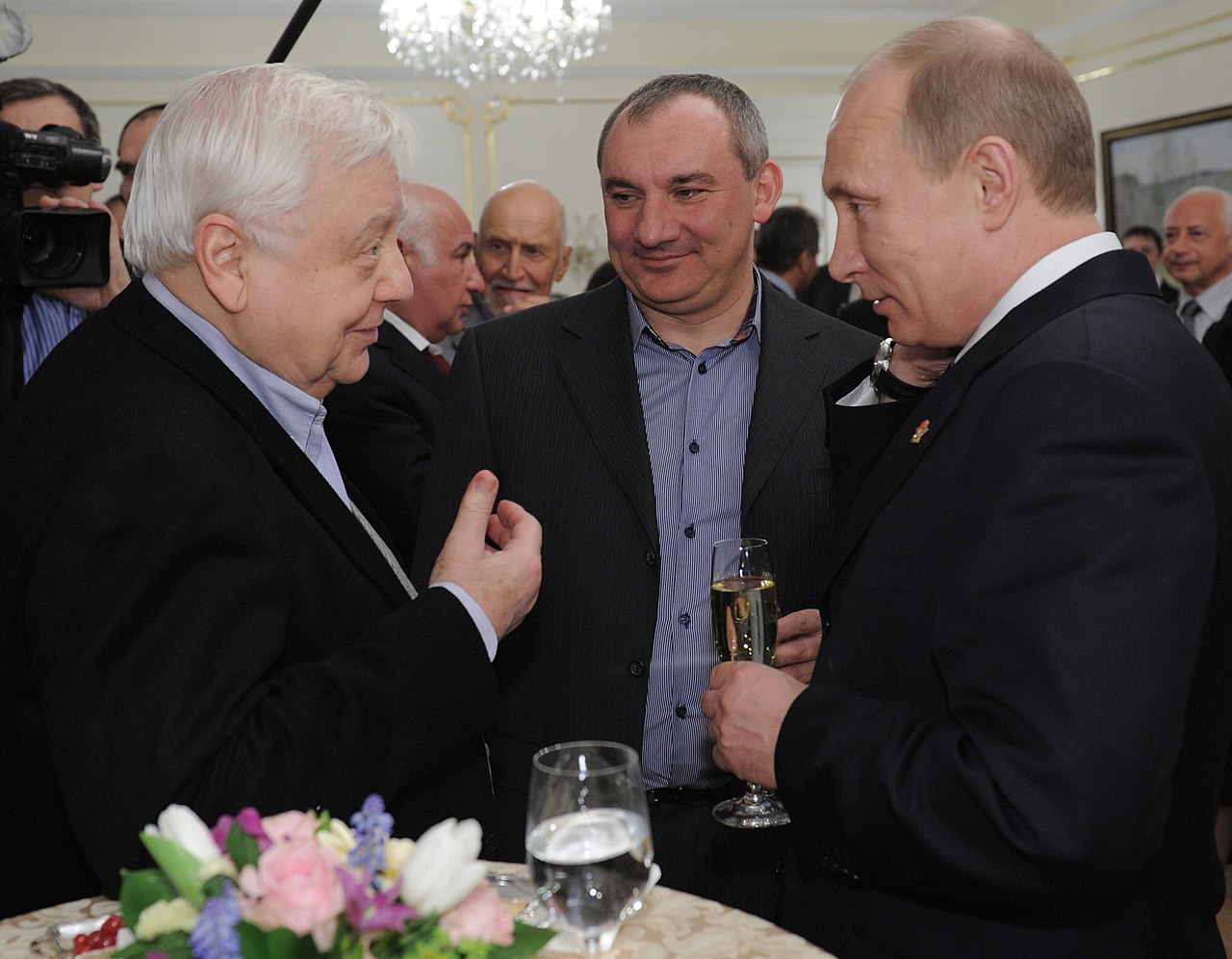


Early life and training
Born in Saratov, Tabakov trained as an actor and emerged in a generation of performers who rose to prominence in the 1950s and 1960s. He established himself on stage before becoming widely known for film roles. Over decades Tabakov developed a reputation not only as a performer but also as a teacher and mentor who helped shape several younger generations of Russian actors.
Selected film and television roles
Tabakov appeared in a wide variety of cinematic and television projects, often in memorable supporting or leading character parts. Notable screen appearances include:
- Clear Skies (1961) directed by Grigori Chukhrai
- War and Peace (1966–67) in Sergei Bondarchuk's epic adaptation
- Television series Seventeen Moments of Spring (1973)
- D'Artagnan and Three Musketeers (1978)
- Moscow Does Not Believe In Tears (1980), the internationally recognized drama that won an Academy Award for Best Foreign Language Film
- Oblomov (1981) and Dark Eyes (1986) with director Nikita Mikhalkov
- A Man from the Boulevard des Capuchines (1987)
These roles demonstrate his range—from literary adaptations to popular television and international festival cinema.
Theatre leadership and teaching
Beyond film, Tabakov had a lasting influence in theatre. He served as an artistic director at one of Moscow's leading companies, shaping repertoire, directing plays and fostering new talent. His work in theatre schools and studios emphasized actor training grounded in textual understanding and ensemble practice. Many actors who trained under or worked with him recall his exacting standards and his encouragement of expressive subtlety.
Style, influence and distinctions
Tabakov's style combined classical technique with a nuanced approach to character. He was often praised for the clarity of his speech, controlled physicality and the ability to convey complex inner life without excess. Over a long career he received state recognition and numerous professional honors, reflecting his importance to Soviet and Russian performing arts. His name appears in filmographies, biographies and theatre histories as a central figure of his generation.
Later years and legacy
In later decades Tabakov remained active on stage and screen, and continued to influence Russian theatre through teaching and artistic work. He died in Moscow on 12 March 2018. Obituaries and remembrances highlighted both his artistic achievements and his role as a mentor. For further details about his life, filmography and theatre work consult biographical entries and curated film lists below.
Further reading and resources: biography and dates, selected filmography, theatre work, interviews and recollections, award records, obituaries and tributes.
Related articles
Author
AlegsaOnline.com Oleg Tabakov — Soviet and Russian actor, theatre director, and educator Leandro Alegsa
URL: https://en.alegsaonline.com/art/72350
Sources
- nytimes.com : "Russian Actor, Stage Director Oleg Tabakov Dies at 82"
- worldcat.org : 0362-4331