
Oleg Yefremov — Soviet and Russian actor and theatre director
Biography and legacy of Oleg Yefremov (1927–2000), a leading Soviet and Russian stage and film actor, founder of Sovremennik Theatre, later director of the Moscow Art Theatre and People's Artist of the USSR.
Oleg Nikolayevich Yefremov (1 October 1927 – 24 May 2000) was a prominent stage and film performer and a major figure in Soviet and Russian theatre. His name appears in Russian as Оле́г Никола́евич Ефре́мов. Born in Moscow, Yefremov combined a strong screen presence with a lifelong commitment to ensemble acting and theatrical innovation. Official recognitions included the title People's Artist of the USSR and later the state honor Hero of Socialist Labour.
Image gallery
1 Image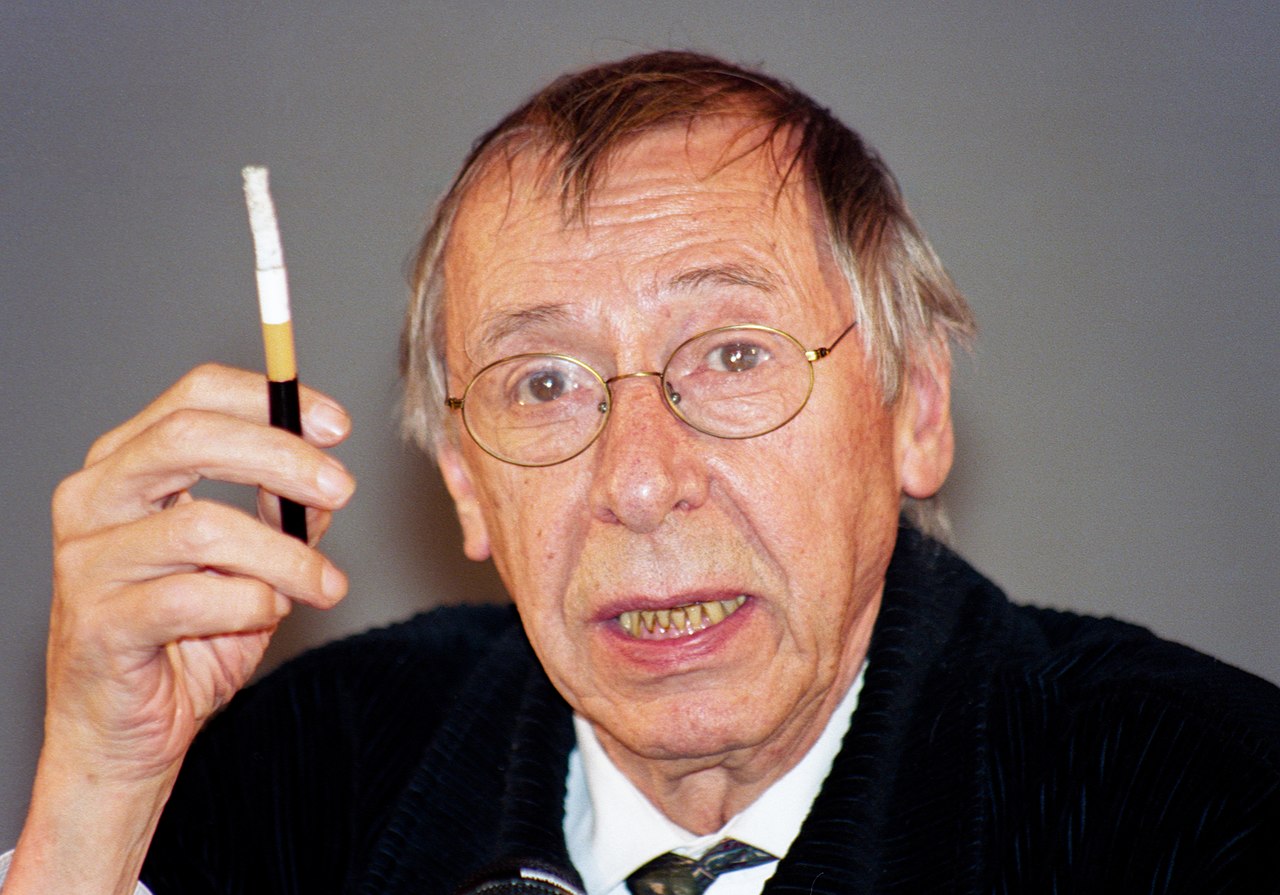
Theatre career and leadership
Yefremov became widely known for his work on stage as both actor and producer. In the mid-1950s he was instrumental in founding the Sovremennik Theatre, an ensemble dedicated to contemporary plays and a naturalistic approach to performance. He later took a leading role at the Moscow Art Theatre, where he promoted repertoire that balanced classical works and new writing and worked to modernize production styles. Colleagues and critics often credited him with helping to refresh Soviet theatre practice and to train new generations of actors.
Film work and notable roles
Alongside his stage career, Yefremov appeared in a number of well-known films and television productions that made him familiar to a wide audience. His screen roles ranged from serious war drama to comedy and poetic cinema. Notable titles associated with him include:
- The Alive and the Dead (1964) — a wartime drama in which he contributed a tense, disciplined performance.
- Three Poplars in Plyushchikha (1967) — a lyrical melodrama that reached broad popular sympathy.
- Shine, Shine, My Star (1969) — an evocative film mixing satire and pathos.
- Aybolit-66 and Beware of the Car (both mid-1960s) — films that show his versatility, including in lighter, comedic roles.
Style, influence and honors
Yefremov was admired for clarity of diction, naturalistic gestures and an ability to convey moral complexity without ostentation. He emphasized ensemble work and actor training, and his leadership roles helped institutionalize methods that influenced actors and directors across several generations. Official distinctions recognized both artistic achievement and public stature: he was awarded high state honors during his career and remained a frequent subject of commentary in cultural histories of the period.
Personal life and legacy
He was married to actress Alla Pokrovskaya, and his family included children who continued in the performing arts. Yefremov's life bridged the Soviet and post-Soviet eras, and his reputation rests on the combination of memorable screen parts and a durable institutional legacy in Moscow theatre. For further reading on the historical context of his career see general resources on Soviet and Russian theatre history and the city where he worked: Moscow resources.
Oleg Yefremov died on 24 May 2000 in his Moscow apartment after a prolonged illness. His death prompted remembrances of his contributions to acting, directing and the development of ensemble theatre in the twentieth century. Scholars and theatre practitioners continue to study his productions and the institutions he helped shape.
Related articles
Author
AlegsaOnline.com Oleg Yefremov — Soviet and Russian actor and theatre director Leandro Alegsa
URL: https://en.alegsaonline.com/art/72353
Sources
- ria.ru : "Биография Олега Ефремова"
- culturavrn.ru : Михаил Ефремов в Воронеже признался в любви к Андрею Платонову
- nytimes.com : Oleg Yefremov, 72, Moscow Theatre Director