
Okanagan Lake
Large, deep lake in British Columbia's Okanagan Valley known for its length, depth, recreation, towns on its shores, local ecology and the Ogopogo legend.
Overview
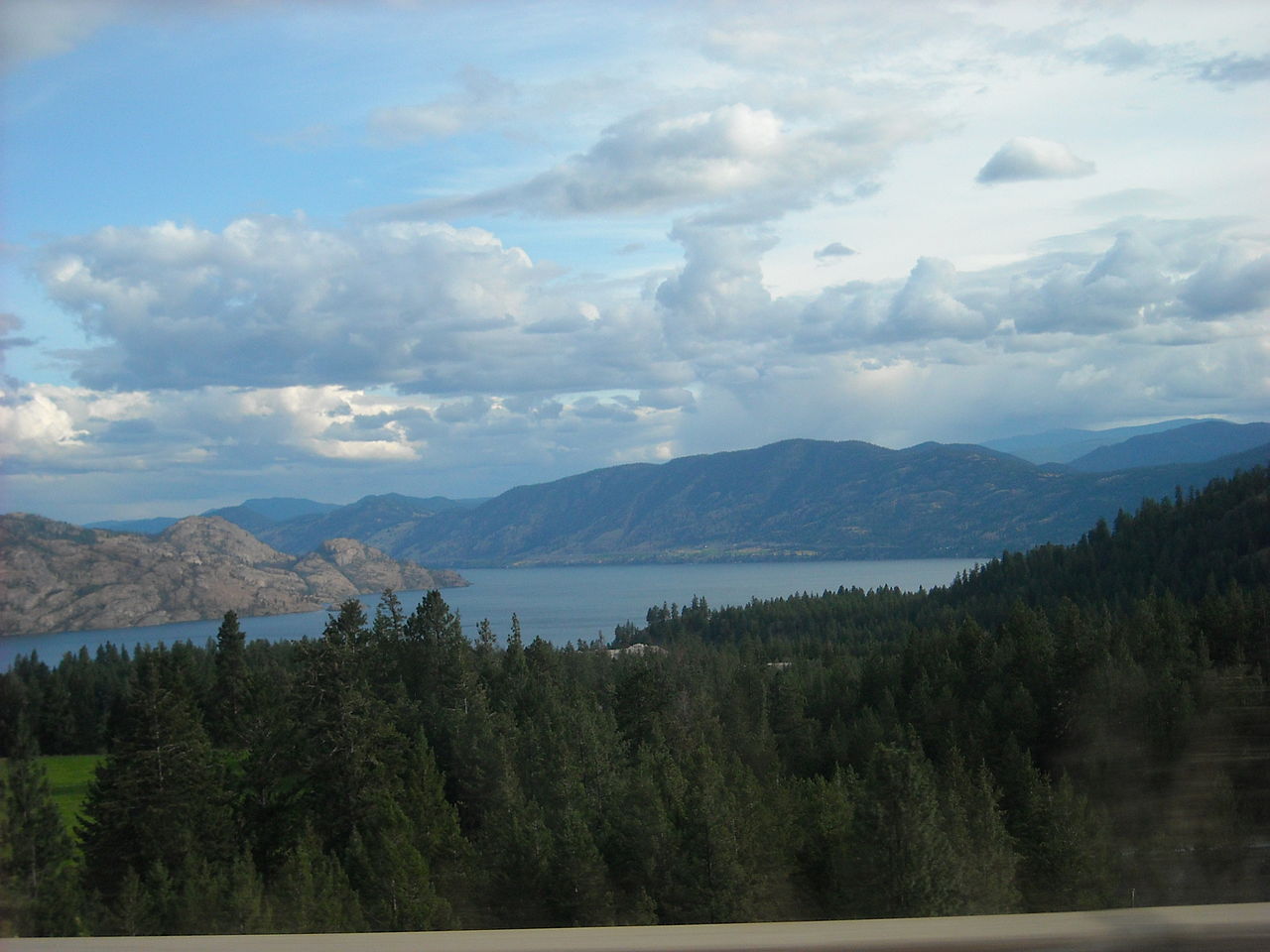
Okanagan Lake is a long, deep freshwater lake in the interior of British Columbia, Canada. It stretches roughly 135 km (84 mi), generally 4–5 km wide, and covers about 348 km2. The lake is glacial in origin and remains an important geographic and economic feature of the Okanagan Valley.
Image gallery
10 Images






Geography and hydrology
The basin occupies a north–south valley carved and modified by ice and meltwater in past glacial periods. Okanagan Lake is relatively deep for its surface area, with a maximum depth on the order of 230 metres. It receives water from smaller tributaries and local runoff and drains through the Okanagan River. Seasonal changes in temperature and inflow influence levels and water clarity.
Communities and human use
Several towns and cities line the lake's shore, and the lake forms the spine of the region's settlement and transport network. Notable communities include:
- Kelowna
- Vernon
- Penticton
- West Kelowna
- Peachland and Summerland
The lake supports residential development, ferry and recreational boating, waterfront parks and trails, and it underpins tourism and real estate in the valley.
Ecology and recreation
The lake's cold, deep waters and diverse shoreline habitats support fish such as trout and kokanee salmon, as well as waterbirds and aquatic invertebrates. It is popular for fishing, boating, swimming and watersports, and the surrounding hills are a major wine-producing region with vineyards and orchards contributing to visitor activity.
History, culture and notable facts
The Okanagan Valley is the traditional territory of Indigenous peoples of the Syilx (Okanagan) Nation, who have long relied on the lake for food and travel. European settlement introduced steamboats, ferries and later road and rail links. The lake is also the focus of local folklore, most famously the Ogopogo lake monster legend, which is part of regional identity and tourism. Contemporary management addresses water quality, habitat protection and pressures from development and invasive species.
For more detailed maps, ecological reports and tourism information see local government and regional resources: Okanagan Lake overview, provincial information and national resources.
Related articles
Author
AlegsaOnline.com Okanagan Lake Leandro Alegsa
URL: https://en.alegsaonline.com/art/72181
Sources
- env.gov.bc.ca : Limnology of the Major Lakes in the Okanagan Basin. Canada - British Columbia Okanagan Basin Agreement, Final Report, Technical Supplement V.
- doi.org : 10.1139/f74-111
- ilec.or.jp : "Okanagan Lake"