
Nymphomaniac (film)
Two-part 2013 drama by Lars von Trier about a woman's sexual life, told in confession to a reserved man. Noted for explicit content, divided edits, international cast, mixed reviews and controversy.
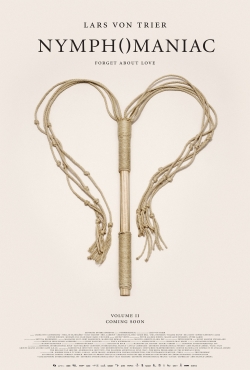
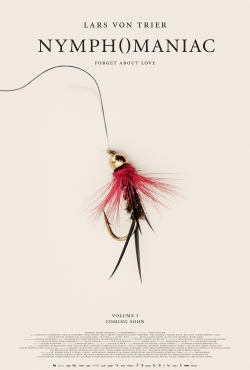
Nymphomaniac is a two-part erotic drama film written and directed by Lars von Trier. First shown in late 2013, it tells the life story of a woman who identifies as a nymphomaniac through a series of confessions. The narrative is framed as a conversation between the woman and a quieter, older man who listens to her account after finding her injured.
Image gallery
4 Images

Structure and principal cast
The movie is presented in chapters and was released in more than one edit: lengthy director-oriented versions and shorter theatrical cuts. It mixes explicit material with philosophical dialogue and recurring motifs. The central role of the woman, Joe, is played by Charlotte Gainsbourg, while the younger portrayal of the character is by Stacy Martin. The listener, known as Seligman, is portrayed by Stellan Skarsgård in an important supporting role. The ensemble also includes appearances by Shia LaBeouf, Uma Thurman and Christian Slater, among others.
Production and release
Principal photography took place in parts of Europe in 2012, including locations in Germany and Belgium. The film premiered in Denmark and opened there on December 25, 2013; it reached other markets in early 2014 in staggered releases. Different versions of the film circulated to meet national classification rules and to accommodate festival and theatrical programming.
Reception and controversy
The film attracted significant attention for its frank depiction of sexuality, provoking debate about artistic intent, censorship and audience appropriateness. Critics were divided: some praised the performances and the film's ambition, while others objected to its explicit scenes and tonal provocations. For example, The Guardian gave the film a positive review. The surrounding discussion included disputes over edits, ratings and how intimate scenes were filmed or altered for public exhibition.
Themes and significance
Nymphomaniac explores desire, shame, identity and storytelling. Its episodic structure allows the director to alternate between anecdote, analysis and visual experiment. The film has been discussed in the context of von Trier's wider body of work for its confrontational style and its interest in psychological extremes. Whether approached as realist confession, black comedy or moral fable, the film remains notable for dividing audiences and sparking debate about the boundaries of cinematic sexual representation.
Further information, interviews and production details can be found through director and cast profiles and contemporary festival coverage. For background on key contributors see authoritative sources and film databases linked alongside reviews and festival records.
Denmark release details · Director profile · Lead actress · Younger lead · Featured actor · Featured actor · Supporting actor · Filming in Germany · Filming in Belgium · Selected review
Related articles
Author
AlegsaOnline.com Nymphomaniac (film) Leandro Alegsa
URL: https://en.alegsaonline.com/art/71563
Sources
- theguardian.com : "Nymphomaniac – first look review"